
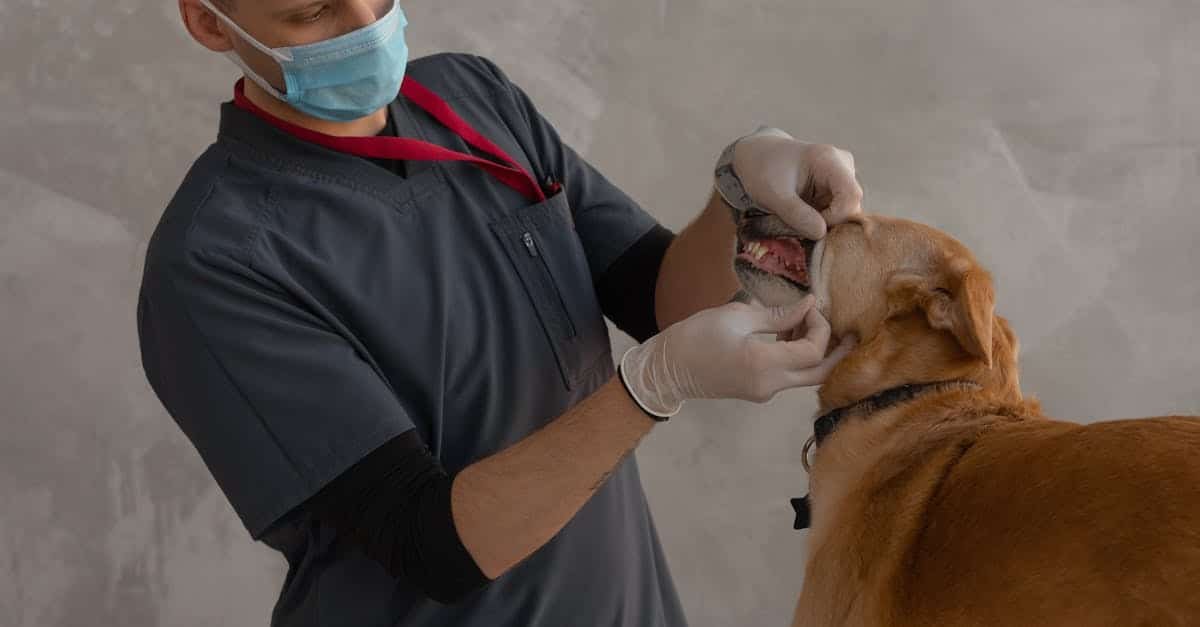
Dr. Paola’s Insights on Canine Health and Behavior
Dr. Paola’s Essential Insights: Navigating Diet, Vulvoplasty, and Canine Aggression
Welcome to a special edition of our newsletter, drawing inspiration from the invaluable “Ask Dr. Paola” series. In this comprehensive guide, we delve into critical aspects of canine health and well-being, focusing on topics frequently addressed by veterinary experts like Dr. Paola Cuevas. Today, we unpack three pivotal areas: the profound impact of diet on overall health, understanding and addressing the specific surgical consideration of vulvoplasty, and the complex challenge of managing canine aggression. These topics, while diverse, are interconnected by a common thread: proactive care, informed decision-making, and a deep understanding of our beloved companions’ needs. For pet parents, veterinarians, trainers, and everyone dedicated to animal welfare, staying informed about these areas is paramount to ensuring a healthy, happy, and harmonious life for dogs.
Key Takeaways
-
Personalized Nutrition is Paramount: A dog’s diet is the foundation of their health, requiring careful consideration of age, breed, activity level, and health conditions, with veterinary consultation highly recommended over fleeting trends.
-
Vulvoplasty Enhances Comfort and Prevents Infection: For female dogs with recessed vulvas, this surgical intervention can dramatically improve hygiene, alleviate chronic skin irritation, and prevent recurrent urinary tract infections, significantly boosting their quality of life.
-
Aggression is Communication, Not Defiance: Canine aggression is a complex behavioral issue often rooted in fear, pain, or anxiety. Effective management involves a thorough veterinary check, environmental adjustments, and professional behavior modification, emphasizing humane, positive reinforcement approaches.
-
Proactive, Informed Care is Crucial: Empowering pet parents with detailed knowledge on diet, specific health concerns, and behavior management fosters healthier human-animal bonds and ensures dogs thrive through every life stage.
Table of Contents
-
- Dr. Paola’s Essential Insights: Navigating Diet, Vulvoplasty, and Canine Aggression
- The Foundation of Health: Canine Diet and Nutrition
- Addressing Specific Health Concerns: Understanding Vulvoplasty
- Decoding Canine Communication: Understanding and Managing Aggression
- FAQ Section
- Conclusion: Empowering Pet Parents Through Informed Care
Dr. Paola’s Essential Insights: Navigating Diet, Vulvoplasty, and Canine Aggression
The journey of pet parenthood is one of continuous learning, filled with moments of joy, discovery, and sometimes, challenges. Thankfully, experts like Dr. Paola Cuevas provide a beacon of knowledge, guiding us through the complexities of canine health and behavior. This article synthesizes key insights, expanding on the foundational advice often shared in expert columns, to empower you with detailed information on three significant areas: the cornerstones of canine nutrition, a specific surgical intervention known as vulvoplasty, and the multifaceted issue of canine aggression. Each topic requires a nuanced understanding, and by exploring them in depth, we can foster a healthier and more enriching environment for our dogs.
The Foundation of Health: Canine Diet and Nutrition
The adage “you are what you eat” holds true not just for humans, but perhaps even more profoundly for our canine companions. A dog’s diet is the bedrock of their health, influencing everything from their energy levels and coat luster to their immune system strength, joint health, and even their emotional well-being and behavior. Choosing the right food is one of the most significant decisions a pet owner can make, directly impacting their dog’s quality of life and longevity.
The Critical Role of a Balanced Diet:
A truly balanced canine diet provides the right mix of macronutrients (proteins, fats, carbohydrates) and micronutrients (vitamins, minerals). Proteins are essential for muscle development, tissue repair, and enzyme function. Fats provide concentrated energy, support cell function, and are crucial for absorbing fat-soluble vitamins. Carbohydrates offer readily available energy, while vitamins and minerals play countless roles in metabolic processes, bone health, and immune defense. Deficiencies or excesses in any of these areas can lead to a cascade of health problems.
Common Dietary Misconceptions and Their Impact:
The pet food industry is vast and ever-evolving, leading to many trends and sometimes, misconceptions. For instance, the “grain-free” trend, while beneficial for dogs with specific grain allergies, became a widespread belief that grains are inherently bad for all dogs. However, for most dogs, grains are a healthy source of carbohydrates, fiber, and nutrients. The rush to grain-free diets has, in some cases, been linked to dilated cardiomyopathy (DCM) in certain breeds, highlighting the importance of evidence-based dietary choices over fads. Similarly, debates around raw diets vs. kibble often arise. While proponents of raw diets emphasize natural ingredients, concerns about bacterial contamination and nutritional imbalances must be carefully managed with veterinary guidance.
Signs of Dietary Deficiencies or Sensitivities:
Recognizing when a diet isn’t working is crucial. Common signs of poor nutrition or dietary sensitivities include:
-
Poor Coat Condition: Dull, dry, flaky skin, excessive shedding.
-
Digestive Issues: Chronic diarrhea, vomiting, constipation, excessive gas.
-
Low Energy Levels: Lethargy, reduced playfulness, reluctance to exercise.
-
Weight Problems: Being underweight despite adequate food, or obesity due to inappropriate caloric intake.
-
Behavioral Changes: Irritability, anxiety, or hyperactivity can sometimes be linked to nutritional imbalances or food sensitivities.
-
Chronic Health Issues: Recurrent ear infections, skin allergies, or certain autoimmune conditions can be exacerbated by diet.
Expert Perspective: Personalizing Canine Nutrition:
Dr. Paola, like many veterinary experts, emphasizes that there’s no single “best diet” for every dog. Nutritional needs vary significantly based on a dog’s age, breed, size, activity level, existing health conditions, and individual sensitivities.
For a puppy, a diet rich in protein and specific nutrients is essential for growth and development. Adult dogs require a maintenance diet, while senior dogs might benefit from diets lower in calories, higher in fiber, and fortified with joint-supporting supplements. Dogs with specific medical conditions, such as kidney disease, diabetes, or allergies, often require prescription therapeutic diets formulated to manage their illness.
Practical Benefits of Optimal Nutrition:
Investing in a high-quality, vet-approved diet tailored to your dog’s needs offers profound practical benefits:
-
Improved Vitality and Energy: A well-fed dog has the energy for play, training, and a zest for life.
-
Enhanced Immune Function: Stronger immunity means fewer illnesses and faster recovery.
-
Better Weight Management: Prevents obesity, a leading cause of joint problems, diabetes, and heart disease.
-
Healthier Skin and Coat: A shiny coat and healthy skin are external indicators of internal wellness.
-
Reduced Vet Visits: Proactive nutritional care can prevent many common ailments, saving on veterinary costs in the long run.
-
Behavioral Improvements: A balanced gut microbiome and stable blood sugar levels can positively impact mood and reduce irritability.
Expert Take: “Choosing the right diet for your dog isn’t about following trends; it’s about understanding their unique biological needs. Always consult with your veterinarian to formulate a personalized nutritional plan that supports their age, activity level, breed, and any underlying health conditions. A proactive approach to diet is one of the most impactful ways to enhance your dog’s long-term health and happiness.” — Dr. Paola Cuevas (MVZ)
Addressing Specific Health Concerns: Understanding Vulvoplasty
Beyond general wellness, sometimes specific anatomical or medical issues arise that require specialized intervention. One such condition, often overlooked until symptoms become persistent, is related to vulvar conformation in female dogs, which may necessitate a surgical procedure called vulvoplasty. This topic, while seemingly niche, is crucial for the comfort and long-term health of affected dogs.
What is Vulvoplasty and Why is it Performed?
Vulvoplasty is a surgical procedure to correct an abnormal vulvar conformation, specifically a recessed or “hooded” vulva. In some female dogs, particularly those that are spayed young, overweight, or certain breeds with specific body types, the vulva can be partially covered by surrounding skin folds. These folds create a warm, moist environment that traps urine and fecal matter, leading to a host of chronic issues.
The primary reasons for performing a vulvoplasty are to alleviate and prevent:
-
Perivulvar Dermatitis: Chronic inflammation and infection of the skin around the vulva. This can be intensely itchy, painful, and lead to skin thickening, ulcerations, and a foul odor.
-
Recurrent Urinary Tract Infections (UTIs): The trapped moisture and bacteria can migrate into the urinary tract, leading to persistent and often difficult-to-treat UTIs.
-
Poor Hygiene: Difficulty keeping the area clean, leading to discomfort for the dog and concern for the owner.
Which Dogs Are Typically Candidates?
While any female dog can potentially develop a recessed vulva, it’s more commonly observed in:
-
Overweight or Obese Dogs: Excess fat deposits can contribute to skin folding around the vulva. Weight loss can sometimes improve the condition, but surgery may still be necessary.
-
Spayed Dogs: Early spaying can sometimes prevent the full development of the vulva, leading to a more recessed appearance.
-
Certain Breeds: Brachycephalic (short-nosed) breeds like Bulldogs, Pugs, and Boston Terriers, or breeds prone to excessive skin folds (e.g., Shar-Peis, Basset Hounds), may be predisposed.
Symptoms and Diagnosis:
Owners might notice their dog frequently licking the vulvar area, scooting, having a persistent unpleasant odor, or experiencing recurrent UTIs. The skin around the vulva might appear red, inflamed, moist, or develop pustules. A veterinarian can diagnose a recessed vulva and associated dermatitis through a physical examination. Diagnostic work-up may include urinalysis and culture to confirm UTIs, and skin cytology or culture to identify bacterial or yeast infections in the skin folds.
The Surgical Procedure and Recovery:
Vulvoplasty involves surgically removing the excess skin folds surrounding the vulva to expose it more fully. This creates a drier, cleaner environment that discourages bacterial growth and inflammation. The procedure is typically performed under general anesthesia. Post-operative care usually involves pain management, antibiotics if an infection was present, and an Elizabethan collar (e-collar) to prevent the dog from licking the surgical site. Recovery generally takes 2-4 weeks, during which activity may be restricted.
Impact on Quality of Life:
For dogs suffering from chronic perivulvar dermatitis and recurrent UTIs, vulvoplasty can be life-changing. It dramatically improves their comfort, eliminates chronic irritation and pain, and prevents the health risks associated with persistent infections. The practical benefits for owners include:
-
Prevention of Recurrent Infections: Significantly reduces the incidence of UTIs and skin infections.
-
Improved Hygiene: The area becomes easier to keep clean, reducing odors and owner frustration.
-
Enhanced Comfort: Alleviates chronic itching and irritation, allowing the dog to live without discomfort.
-
Reduced Veterinary Costs: Long-term savings from fewer vet visits for recurrent infections and medications.
Expert Take: “If your female dog is experiencing recurrent urinary tract infections or chronic skin irritation around her vulva, it’s imperative to have her thoroughly examined. A recessed vulva is a common, but often under-diagnosed, contributing factor. Vulvoplasty, while a surgical intervention, can dramatically improve a dog’s long-term comfort and prevent serious health complications, truly enhancing their quality of life. Don’t hesitate to discuss this option with your veterinarian.” — Dr. Paola Cuevas (MVZ)
Decoding Canine Communication: Understanding and Managing Aggression
Perhaps one of the most challenging and concerning issues a pet owner can face is canine aggression. It’s a complex behavior that can strain the human-animal bond, create unsafe environments, and significantly impact a dog’s welfare. Addressing aggression effectively requires patience, understanding, and often, professional intervention.
What is Canine Aggression?
Canine aggression is not a single behavior but a constellation of behaviors used to threaten or cause harm. These can range from subtle warning signals like a hard stare, growling, or lip lifting, to more overt actions such as snapping, lunging, and biting. It’s crucial to understand that aggression is almost always a form of communication, often stemming from fear, anxiety, pain, or a desire to protect resources.
Different Types of Aggression:
Aggression is categorized by its motivation:
-
Fear-Based Aggression: The most common type, where a dog feels threatened and acts aggressively to create distance or avoid a perceived danger.
-
Territorial Aggression: Directed towards perceived intruders in their home or yard.
-
Resource Guarding: Aggression aimed at protecting food, toys, beds, or people.
-
Redirected Aggression: Occurs when a dog is aroused or agitated by one stimulus but cannot get to it, so they redirect their aggression towards another nearby target (e.g., owner or another pet).
-
Pain-Induced Aggression: A dog in pain may lash out when touched or moved, even by familiar people.
-
Maternal Aggression: A mother dog protecting her puppies.
-
Intra-household Aggression: Aggression between dogs living in the same home.
-
Frustration-Elicited Aggression: When a dog is prevented from doing something they want to do.
Root Causes of Aggression:
Aggression is multifactorial, meaning several factors contribute to its development:
-
Genetics: Some breeds or individual dogs may have a genetic predisposition to certain types of aggression.
-
Environment: Lack of early socialization, exposure to traumatic events, inconsistent training, or abusive handling can foster aggression.
-
Pain or Medical Conditions: Undiagnosed pain (e.g., arthritis, dental issues), neurological disorders, or hormonal imbalances can trigger or exacerbate aggression. This is why a vet check is always the first step.
-
Learned Behaviors: If aggressive displays successfully achieve a desired outcome (e.g., a person retreating), the behavior can be reinforced.
-
Lack of Socialization: Insufficient positive exposure to various people, places, and other dogs during critical developmental periods can lead to fear and reactivity.
Prevention and Early Intervention:
-
Early Socialization: Crucial for puppies between 3 weeks and 4 months of age. Expose them to a wide range of positive experiences in a safe, controlled manner.
-
Positive Reinforcement Training: Builds a strong bond and teaches appropriate behaviors without instilling fear or anxiety, which can worsen aggression.
-
Recognize Early Warning Signs: Learn canine body language. A hard stare, stiff posture, lip licking, yawning (in a stressed context), growling, or snapping are all signals that a dog is uncomfortable and may escalate if ignored. The “ladder of aggression” illustrates how dogs display subtle signs before resorting to bites.
Management Strategies:
Addressing aggression requires a holistic and humane approach:
-
Veterinary Check-up: Always rule out medical causes first. Pain or underlying illness must be addressed.
-
Environmental Management: Prevent situations that trigger aggression. This might mean leashing your dog in specific contexts, using muzzles (properly fitted and conditioned), managing interactions with other dogs/people, or creating safe spaces.
-
Behavior Modification: This involves changing the dog’s emotional response to triggers and teaching alternative, acceptable behaviors. Techniques include desensitization (gradually exposing the dog to the trigger at a low intensity) and counter-conditioning (changing the dog’s emotional response from negative to positive). This should always be done under the guidance of a certified professional.
-
Professional Help: Crucially, canine aggression should ideally be managed by a Certified Professional Dog Trainer (CPDT-KA), Certified Applied Animal Behaviorist (CAAB), or a Veterinary Behaviorist (DACVB). These experts can accurately diagnose the type of aggression, identify triggers, and develop a safe, effective behavior modification plan.
-
Medication: In some severe cases, or when anxiety and fear are profound, a veterinary behaviorist may prescribe medication (e.g., anti-anxiety drugs) as an adjunct to behavior modification. This helps reduce anxiety enough for the dog to be receptive to training.
The Vet’s Role (Dr. Paola’s Perspective):
Veterinarians play a vital initial role in aggression cases by conducting thorough physical examinations and diagnostics to rule out medical causes. They can also provide initial advice on safety measures and, crucially, refer owners to qualified veterinary behaviorists or certified dog trainers for specialized help.
Practical Benefits of Effective Aggression Management:
Successfully addressing aggression leads to profound benefits:
-
Safer Environment: For family members, visitors, and other animals.
-
Improved Human-Animal Bond: Reduces stress and fear for both the owner and the dog, fostering trust.
-
Reduced Stress for the Dog: Many aggressive dogs are living in a state of chronic fear or anxiety. Management helps them feel safer and more secure.
-
Enhanced Quality of Life: A dog that is no longer constantly reacting aggressively can lead a calmer, more fulfilling life.
-
Prevention of Surrender or Euthanasia: Effective intervention can often save a dog’s life and allow them to remain in their loving home.
Expert Take: “Canine aggression is a distress signal, not a defiance. It’s complex, often rooted in fear, pain, or misunderstanding. Never punish aggression; it only suppresses the warning signs and escalates fear. The most humane and effective approach involves a thorough veterinary examination to rule out medical issues, followed by a behavior modification plan developed with a qualified veterinary behaviorist or certified professional dog trainer. Patience, consistency, and a commitment to understanding your dog’s communication are paramount.” — Dr. Paola Cuevas (MVZ)
FAQ Section
What are the signs of a poor diet in dogs?
Signs of a poor diet or dietary sensitivities in dogs can include dull coat, flaky skin, excessive shedding, chronic digestive issues (diarrhea, vomiting, gas), low energy, weight problems (underweight or obesity), behavioral changes like irritability, and chronic health issues such as recurrent ear infections or skin allergies.
When should I consider vulvoplasty for my dog?
You should consider discussing vulvoplasty with your veterinarian if your female dog experiences recurrent urinary tract infections (UTIs), chronic skin irritation around the vulva (perivulvar dermatitis), persistent foul odor, or frequent licking/scooting of the area. These symptoms often indicate a recessed or hooded vulva that could benefit from surgical correction.
What are the first steps if my dog shows aggression?
The absolute first step is a comprehensive veterinary check-up to rule out any underlying medical conditions or pain that might be causing or contributing to the aggression. After a medical all-clear, seek immediate help from a Certified Professional Dog Trainer (CPDT-KA), Certified Applied Animal Behaviorist (CAAB), or a Veterinary Behaviorist (DACVB) to develop a humane and effective behavior modification plan.
Can diet affect my dog’s behavior?
Yes, diet can profoundly impact a dog’s behavior. Nutritional imbalances, food sensitivities, or an inappropriate diet can sometimes lead to behavioral changes such as irritability, anxiety, hyperactivity, or lethargy. A balanced diet can contribute to stable blood sugar levels and a healthy gut microbiome, which can positively influence mood and overall well-being.
Is grain-free food always better for dogs?
No, grain-free food is not always better for all dogs. While beneficial for dogs with specific grain allergies, grains are a healthy source of carbohydrates, fiber, and nutrients for most dogs. In some cases, grain-free diets have been linked to health issues like dilated cardiomyopathy (DCM) in certain breeds. Always consult your veterinarian to determine the most appropriate diet for your dog’s individual needs.
Conclusion: Empowering Pet Parents Through Informed Care
As we conclude this exploration inspired by Dr. Paola’s expert advice, it’s clear that responsible pet ownership is an ongoing commitment to learning and proactive care. Whether it’s the fundamental choice of a dog’s diet, addressing specific anatomical challenges like a recessed vulva, or navigating the complexities of canine aggression, informed decisions are the cornerstone of a dog’s well-being.
The latest insights in pet care emphasize personalization—from tailored nutrition plans based on individual needs to behavior modification strategies designed for a specific dog’s triggers and temperament. These advancements offer tangible improvements in pet health, comfort, and safety, enhancing the bond we share with our animals. For pet owners, veterinarians, trainers, and everyone within the pet industry, staying abreast of these developments means we can collectively contribute to better outcomes, improved quality of life, and more harmonious relationships between humans and their canine companions.
We encourage you to use resources like “Ask Dr. Paola” and maintain open communication with your veterinary team. They are your most valuable partners in ensuring your dog receives the best possible care, enabling them to thrive through every stage of life. By embracing knowledge and seeking expert guidance, we can continue to elevate the standards of pet care and celebrate the incredible joy our dogs bring into our lives.
Meta Description
Discover Dr. Paola Cuevas’s essential insights on canine health, covering the profound impact of diet, understanding vulvoplasty for specific health concerns, and effective strategies for managing canine aggression. Learn how to provide proactive, informed care for your dog’s well-being and foster a healthier, happier life for your beloved companion.