Dog Harnesses: The Complete Guide to Choosing the Right Fit
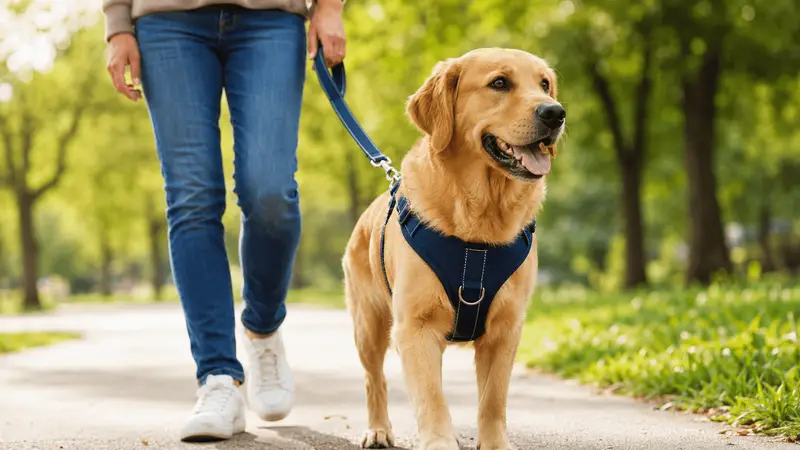
A dog harness is one of the most important pieces of gear any pet parent will buy. Unlike a simple collar, a well-fitted harness distributes pressure across the chest and shoulders instead of the throat, which makes daily walks safer and far more comfortable for your dog. Whether you own an energetic puppy still learning leash manners or a senior dog with joint sensitivity, choosing the right harness style can make a noticeable difference in how confidently and calmly your dog moves through the world.
Additionally, harnesses play a bigger role than most owners realize. They support safe car travel, reduce pulling during training, and help manage anxious or reactive behavior on walks. Furthermore, as more households treat pets as full family members, demand for harnesses that combine safety, durability, and style continues to grow. This guide walks through everything you need to know about dog harnesses, from selecting the right type to fitting it correctly and understanding why this small investment matters so much for your dog’s long-term health.
✔Why Dog Harnesses Matter for Everyday Walks
A harness changes the entire walking experience for both dog and owner. Because the pressure sits across the chest rather than the neck, a harness significantly lowers the risk of tracheal damage, especially in small or brachycephalic breeds. Consequently, veterinarians frequently recommend harnesses over collars for dogs who pull, cough, or have pre-existing neck sensitivities. If you’re comparing accessories more broadly, this guide to quality pet accessories for playful companions is a useful next stop.
Moreover, harnesses give owners better control without relying on force. A front-clip harness, for instance, gently redirects a pulling dog back toward the handler instead of allowing them to lunge forward. For this reason, many trainers pair harness use with basic leash-manner exercises. If you’re working through obedience fundamentals with a young dog, it’s worth reading this guide on how to train a puppy with proven tips for raising a well-behaved dog, since harness training and leash training go hand in hand.
Similarly, harnesses reduce injury risk during sudden movements. If a dog spots a squirrel or another animal and lunges, a harness spreads that force across a wider area of the body instead of concentrating it on the neck. As a result, harnesses have become the default recommendation for high-energy breeds and dogs still building leash confidence. You can browse more product-focused walking and travel gear in the pet accessories category for additional options.
✔Types of Dog Harnesses and How to Choose the Right Fit
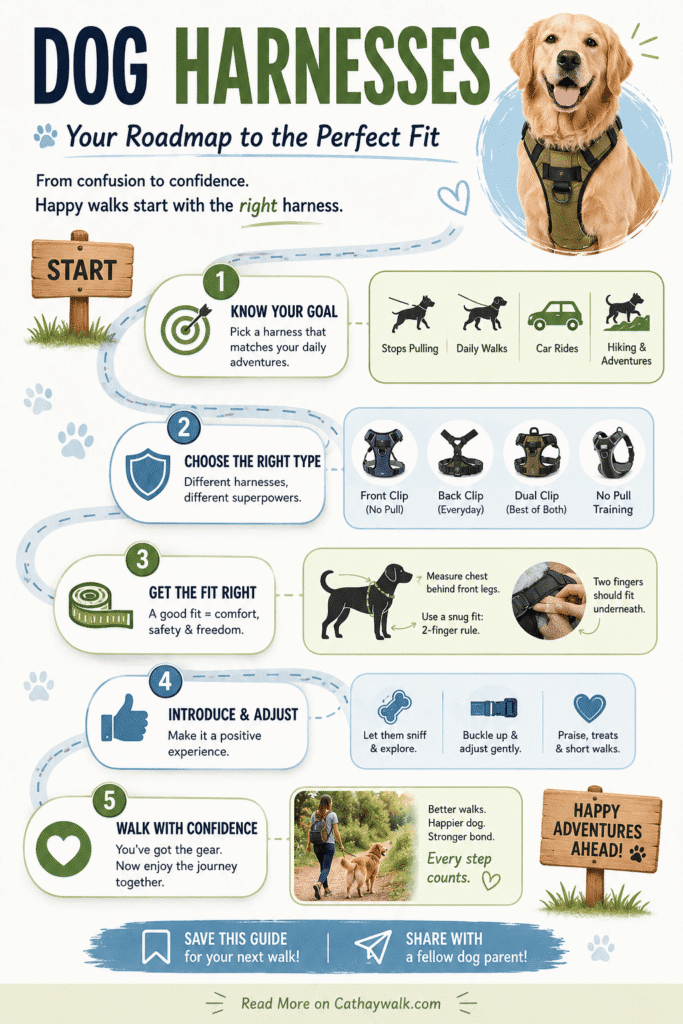
Not all harnesses serve the same purpose, so understanding the main categories helps narrow the decision. Back-clip harnesses attach at the shoulders and work well for calm walkers who don’t pull much. Front-clip harnesses, on the other hand, attach at the chest and are better suited for dogs still learning not to pull. Dual-clip harnesses combine both options, offering flexibility for training and everyday use alike.
For example, owners who drive frequently with their dogs often need a harness rated specifically for vehicle safety rather than general walking. These crash-tested designs use reinforced stitching and metal hardware built to handle sudden stops. This detailed breakdown of the best crash-tested dog harnesses for the car covers exactly what to look for before a road trip.
Meanwhile, some households want harnesses that reflect their personal style or represent a business, such as a grooming studio, dog walker, or breeder. Custom harnesses with embroidered logos or branded colors have become increasingly popular for this reason. If that’s your goal, this complete guide to custom dog harnesses with a logo explains sizing, materials, and marketing considerations. For owners who simply want a more elevated everyday look, the luxury and style guide for pets is also worth browsing.
✔How to Properly Fit and Introduce a Harness to Your Dog
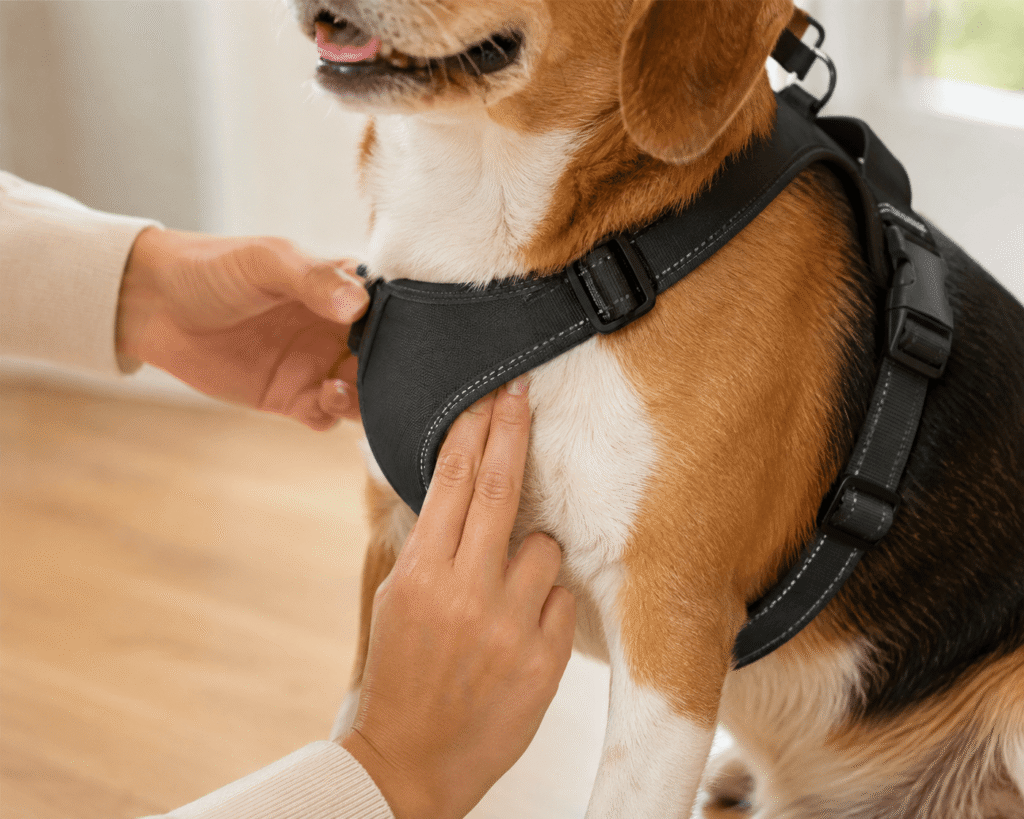
Fit matters more than style. A harness that’s too loose can allow a dog to slip out during a sudden pull, while one that’s too tight can chafe or restrict movement. Therefore, most manufacturers recommend the “two-finger rule,” which means you should be able to slide two fingers comfortably between the strap and your dog’s body at every adjustment point.
In addition, introducing a new harness gradually reduces resistance and stress. Rather than strapping it on and heading straight out the door, let your dog sniff and investigate the harness first. Short, positive indoor sessions paired with treats help build a calm association. This approach mirrors the same principles used in broader canine care routines, which this comprehensive guide to canine care covers in more depth.
However, dogs with anxiety or sensitivity to touch may need extra patience during this process. Some dogs resist anything placed over their head or around their body, which is a common but manageable behavior. If your dog shows signs of stress beyond typical hesitation, this article on understanding stress and anxiety in dogs offers helpful context on causes and solutions. For breed-specific fit guidance, the dog breeds category is a good resource, since body shape varies significantly between breeds.
✔Why Is This Important?
Choosing the right harness isn’t just about convenience; it directly affects your dog’s physical health. Poorly fitted collars and harnesses are a leading cause of preventable neck and spinal strain in dogs, particularly in breeds prone to tracheal collapse. Consequently, investing time in proper sizing pays off in fewer vet visits and a more comfortable daily routine for your dog.
Furthermore, a good harness supports consistent training outcomes. Dogs who pull excessively on a collar often continue that habit because the discomfort doesn’t discourage the behavior effectively. A harness, especially a front-clip design, naturally interrupts pulling without pain, which makes it easier to reinforce calm walking. For families raising a new dog, pairing the right gear with the right breed temperament matters too, so this guide to the best dog breeds for families can help set realistic expectations from the start.
Similarly, harnesses matter for household safety beyond the leash. Many owners now use harnesses in combination with home safety tools, such as when introducing a new dog to a household with young children or other pets. If you’re setting up a safe space at home, this list of indoor dog safety gate options pairs well with harness training during the adjustment period. For general product decisions around your dog’s daily routine, the guide to choosing the right dog bowl is another practical read.
✔Where Dog Harnesses Matter Most: Travel and Outdoor Settings
Harnesses become especially important once you take your dog beyond the neighborhood block. Car rides, hiking trails, and busy tourist destinations all place different demands on a harness, from crash protection to secure leash attachment points on uneven terrain. The following destinations, each covered in more detail elsewhere on this site, show how harness choice changes depending on where you’re headed.
◾San Diego, California
San Diego’s beaches and dog-friendly parks are popular stops for road-tripping pet owners, but sandy terrain and off-leash zones call for a secure, well-fitted harness rather than a slip collar. For a full rundown of dog-friendly spots in the area, see this guide to the top dog-friendly things to do in San Diego. A front-clip harness works particularly well here, since it helps manage excitement around crowds and other dogs.
◾Galena, Illinois
Galena’s walkable downtown and pet-friendly lodging make it a favorite weekend getaway, but hotel stairwells and busy sidewalks mean a secure harness is essential for control in tight spaces. This list of pet-friendly hotels near Galena, IL is a helpful starting point for planning a visit with your dog properly geared up.
◾Big Bend, Texas
Big Bend’s rugged desert trails demand more from both dog and gear than a typical neighborhood walk. A durable, breathable harness helps prevent chafing during long hikes in warmer climates. This guide to exploring Big Bend, Texas with dogs outlines trail conditions and preparation tips worth reviewing beforehand.
◾Arizona’s National Parks
Arizona’s national parks combine heat, elevation changes, and rocky terrain, all of which put extra strain on standard collars. A supportive harness with a sturdy top handle allows owners to assist their dog over difficult sections safely. For planning specifics, this resource on visiting Arizona’s national parks with pets is a valuable reference.
◾America’s National Grasslands
Wide-open grasslands present a different challenge: fewer physical barriers and more opportunity for a dog to bolt after wildlife. A secure, well-adjusted harness paired with a sturdy leash reduces that risk considerably. Learn more in this guide to exploring America’s national grasslands with dogs.
◾Federal Lands and Off-Leash Trails
Many federal lands allow off-leash access in designated areas, but reliable recall and a properly fitted harness remain essential for quick leash reattachment when needed. This overview of dog-friendly off-leash hiking on federal lands explains where these rules apply and how to prepare.
For broader travel planning beyond these specific destinations, this guide to top pet-friendly vacation spots, this camping etiquette guide for pets and their people, and this comprehensive guide to air travel with pets all offer additional preparation tips. You can also explore more adventure-focused content in this article on unleashing the adventure with your pet.
📑Frequently Asked Questions
➖How do I know if my dog’s harness fits correctly?
You should be able to fit two fingers snugly between the harness and your dog’s body at every strap. If it’s too loose, your dog could slip out; too tight, and it may rub or restrict movement.
➖Is a harness better than a collar for daily walks? For most dogs, yes. A harness distributes pressure across the chest and shoulders rather than the neck, which reduces the risk of tracheal strain, especially for dogs who pull.
➖Can puppies wear harnesses right away? Yes, but choose an adjustable, lightweight harness sized for their current stage, and reintroduce a properly fitted one as they grow. Gradual, reward-based introduction works best, similar to other early training habits.
➖What type of harness is best for a dog that pulls on the leash? A front-clip harness is generally most effective, since it gently redirects a pulling dog back toward the handler instead of allowing forward momentum to build.
➖Do I need a different harness for car rides versus walks? Ideally, yes. Crash-tested harnesses are built with reinforced hardware and stitching specifically designed to protect your dog during sudden stops, which standard walking harnesses aren’t rated for.
💡Have questions about outfitting your dog for daily walks or your next trip? Visit our About Us page to learn more about Cathay Walk, or get in touch with us here.