
Understanding the Risks: Can a Cat Overheat and What to Watch For
You know, sometimes I forget that my cat can get too hot, just like me. We all love a good sunny spot, but when the temperatures really climb, our furry friends can get into trouble. It’s easy to think cats are tough because they like warm places, but they actually have a harder time cooling down than we do. So, it’s good to know what to look out for and how to keep them safe when it’s sweltering outside. Can a cat overheat? Absolutely, and it’s something we really need to pay attention to.
Key Takeaways
- Cats can definitely overheat, especially in high temperatures or humidity, and it can lead to serious health issues like heatstroke.
- Signs to watch for include excessive panting, drooling, lethargy, vomiting, and very red gums.
- Certain breeds like Persians, older cats, overweight cats, and those with existing health problems are more at risk.
- If you suspect heatstroke, move your cat to a cooler spot, gently cool them with damp cloths, offer water, and get to a vet immediately.
- Prevention is key: always provide plenty of fresh water, ensure a cool and ventilated space, limit outdoor time during peak heat, and never leave them in a parked car.
Understanding When Cats Can Overheat
It might seem like cats love the heat, always finding that sunny spot for a nap. But just because they enjoy a warm environment doesn’t mean they can handle extreme temperatures. Cats are not as good at cooling themselves down as humans are. Unlike us, they don’t sweat much, only a little from their paw pads, which isn’t enough to regulate their body temperature when it gets really hot. They also groom themselves more, using saliva evaporation to cool off, but this isn’t very effective either. Normally, cats are pretty good at managing their own temperature. They’ll slow down their activity, find shady spots, or lie on cool surfaces like tile floors. They also tend to drink more water when it’s warm. However, if the temperature gets too high, or if they can’t access these cooling methods, they can definitely overheat. A cat’s normal body temperature is usually between 100 and 102.5 degrees Fahrenheit. If their temperature starts creeping up towards 104 degrees, it’s a sign they’re getting too warm and need attention. Anything over 105 degrees Fahrenheit is considered heatstroke, a serious condition that requires immediate veterinary care. It’s important to remember that if you’re feeling uncomfortably hot, your cat is likely feeling the same way, if not worse. Understanding these basics is key to keeping your feline friend safe and comfortable, especially during warmer months. You can find more information on preventing heatstroke in cats at preventing heatstroke in cats.
Normal Cat Body Temperature
A cat’s typical body temperature falls within a narrow range, generally between 100°F and 102.5°F. This is slightly higher than the average human body temperature. Knowing this baseline is important for recognizing when your cat might be experiencing discomfort due to heat.
How Hot is Too Hot for Cats
While cats generally seek warmth, there’s a limit. If the ambient temperature is uncomfortable for you, it’s likely too hot for your cat. Temperatures reaching above 103°F can start to cause heat stress, and anything over 105°F is considered a dangerous level, leading to heatstroke. Factors like humidity can make these temperatures even more dangerous.
Cats’ Limited Cooling Mechanisms
Cats have a few ways they try to stay cool, but they aren’t very efficient. They don’t sweat all over their bodies like humans do; their sweat glands are mostly in their paw pads. They also lick their fur to cool down through evaporation, similar to sweating. However, these methods are often not enough to cope with high environmental temperatures, making them vulnerable to overheating.
Recognizing the Signs of Overheating
It’s easy to forget that our furry friends can also suffer from the heat, just like we do. While cats are pretty good at finding cool spots on their own, sometimes the heat can just be too much. If your cat is starting to feel the burn, they’ll show you in a few ways. Paying attention to these signs can make a big difference.
Panting and Difficulty Breathing
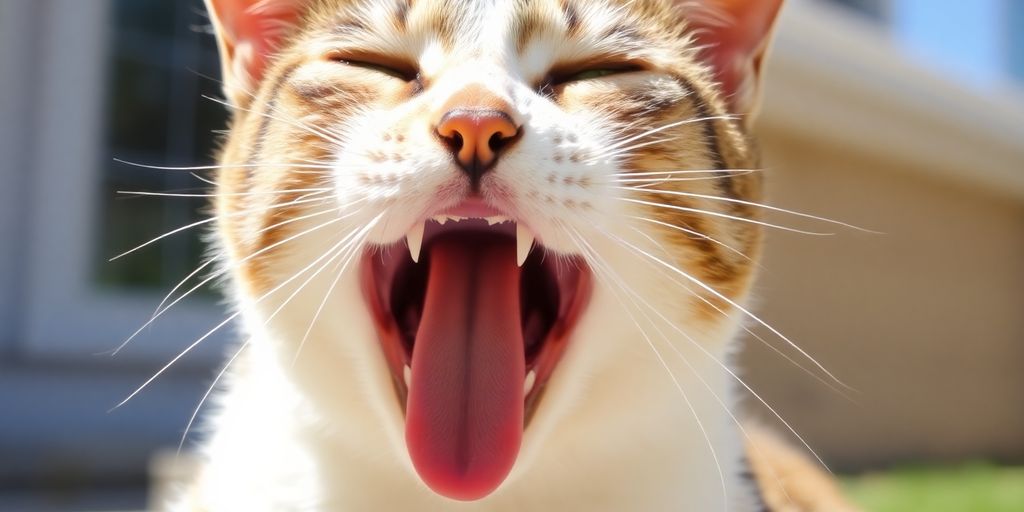
Unlike dogs, cats don’t typically pant to cool down. So, if you see your cat breathing with their mouth open, especially if it’s rapid or labored, that’s a big red flag. It’s their body’s way of saying they’re really struggling to get enough oxygen because they’re too hot.
Lethargy and Weakness
When a cat is overheating, they might seem unusually tired or just generally ‘off.’ They might be less active than usual, have trouble standing, or seem a bit wobbly on their feet. This sluggishness is a sign their body is working overtime to cope with the heat.
Changes in Gum Color and Drooling
Take a peek inside your cat’s mouth. If their gums look unusually bright red, or maybe even pale, it could mean something’s wrong with their circulation due to the heat. Excessive drooling, especially if the saliva seems thick, is another indicator that they’re really uncomfortable and possibly overheating.
Vomiting and Rapid Heartbeat
Sometimes, overheating can mess with a cat’s stomach, leading to vomiting. You might also notice their heart is beating much faster than normal, even if they’re just resting. These are serious signs that their body is under a lot of stress.
Identifying Causes of Heatstroke
It’s easy to think that just being outside on a hot day is the only way a cat can overheat, but there are a few more things that can put them at risk. Understanding these can help you keep your feline friend safe.
Environmental Factors
This is probably the most obvious one. If your cat spends time outdoors, especially during the hottest parts of the day, they can easily get too warm. It’s not just about the air temperature, though; direct sunlight can make surfaces incredibly hot, and a cat lying on a hot patio or asphalt can absorb a lot of heat. Even indoor cats aren’t totally safe if their environment gets too hot. Think about rooms with poor ventilation or places where the sun beats down all afternoon without any shade. A cat’s ability to cool itself is limited, making them vulnerable to even moderately high temperatures if they can’t escape the heat.
Lack of Access to Water and Shade
This one is pretty straightforward. If a cat can’t get to fresh, cool water or find a shady spot to retreat to, their chances of overheating go way up. Imagine being thirsty and hot, but there’s no water available, and no cool place to rest. It’s a recipe for disaster. Even if you provide water, if it’s not kept cool or clean, a cat might not drink enough. Similarly, a lack of shade means there’s nowhere to escape the sun’s direct rays.
Physical Exertion in High Temperatures
Just like us, cats can overdo it. If your cat is particularly active, maybe playing intensely or trying to catch that elusive laser dot, and they’re doing it when it’s already hot, they can quickly overheat. This is especially true for cats that aren’t used to the heat or those who are naturally more energetic. It’s like running a marathon on a summer day – not a good idea. Even a short burst of intense play can be too much if the temperature is already high.
Cats Most Vulnerable to Heat
While any cat can suffer from heatstroke, some felines are just naturally more susceptible to overheating. It’s good to know who these kitties are so you can be extra vigilant during warmer months.
Brachycephalic Breeds
Cats with short, flattened faces, often called brachycephalic breeds, have a harder time breathing. This makes it tougher for them to cool down effectively. Think of breeds like Persians, Himalayans, British Shorthairs, Scottish Folds, and Exotic Shorthairs. Their facial structure can restrict airflow, meaning they can’t pant as efficiently to regulate their temperature. If you own one of these breeds, keeping them cool is extra important.
Senior and Overweight Cats
Age and weight play a big role too. Older cats might not regulate their body temperature as well as younger ones. Similarly, cats carrying extra weight have a harder time dissipating heat. Their body mass can act like an insulator, making it difficult to cool down, especially when combined with other risk factors. It’s a good idea to talk to your vet about maintaining a healthy weight for your cat.
Cats with Pre-existing Conditions
Any underlying health issues can make a cat more vulnerable. This includes cats with heart disease, respiratory problems, or conditions that affect their circulation. These issues can impair their ability to cope with heat, making them much more prone to overheating. If your cat has any chronic health problems, you’ll want to be extra cautious during hot weather and consult your veterinarian for specific advice on keeping them safe. Remember, even indoor cats can overheat, especially if they lack access to cool spaces or water, so always be prepared. Keep your cat safe by being aware of these risks.
Immediate Actions for Suspected Heatstroke
If you think your cat is suffering from heatstroke, it’s really important to act fast. This isn’t something to wait and see about. The quicker you can help your cat, the better their chances are.
Move to a Cooler Environment
First things first, get your cat out of the heat. Find the coolest, shadiest spot you can, or better yet, get them inside an air-conditioned room. Just getting them out of the direct sun or hot environment is the most immediate step.
Gentle Cooling Techniques
Once they’re in a cooler place, you can help cool them down. Use a damp cloth or a towel soaked in cool, but not ice-cold, water. Gently wipe down their fur, paying extra attention to areas like their belly, paw pads, and behind their ears. These spots have less fur and can help dissipate heat more effectively. Avoid using ice or very cold water, as this can actually shock their system and make it harder for their body to cool itself down properly.
Provide Access to Water
Offer your cat some fresh, cool water. Don’t force them to drink, but encourage small sips. If they’re really struggling or not drinking, you can try using an eyedropper to give them a little water at a time. Just be careful not to let them gulp too much too fast, as this can cause problems.
Seek Veterinary Care Promptly
Even if your cat seems to be feeling better after your initial cooling efforts, it’s still a really good idea to get them checked out by a vet. Heatstroke can cause internal damage that you might not see right away. A vet can make sure everything is okay and give you advice on how to prevent it from happening again. It’s better to be safe than sorry with these kinds of emergencies.
Preventative Measures to Keep Cats Cool
Keeping your feline friend safe and comfortable when the temperatures climb is all about being proactive. Cats, even though they might seem to love sunbeams, can’t handle extreme heat as well as we might think. They don’t have a lot of ways to cool down, so we need to help them out. Being prepared can prevent a lot of worry and keep your cat happy and healthy.
Ensure Adequate Hydration
Water is super important for keeping your cat cool. Make sure there’s always fresh, clean water available. It’s a good idea to have a few bowls scattered around the house, especially if your cat tends to only drink from one spot. Some cats are picky drinkers, so you might even consider a pet water fountain; the moving water can encourage them to drink more. Keep an eye out for signs of dehydration, like if their skin between the shoulder blades is slow to bounce back when you gently pinch it, or if their gums look dry and pale.
Provide a Cool and Ventilated Space
Your home should be a sanctuary from the heat. If you have air conditioning, use it! If not, fans can really help circulate air. Place them strategically so they create a nice breeze in the rooms your cat frequents. Cats often seek out the coolest spots themselves, like tile floors or shady corners. You can also help by closing curtains or blinds during the hottest parts of the day to keep the sun from heating up the rooms too much. A cool, breezy spot is key for keeping your cat comfortable.
Limit Outdoor Exposure During Peak Heat
While some cats love to explore outside, it’s best to keep them indoors when it’s really hot, especially during the midday sun. If your cat absolutely must go out, make sure they have plenty of access to shade and fresh water. Avoid letting them roam during the hottest hours of the day. Pavement can get incredibly hot and burn their paw pads, so grassy areas are a better bet if they’re outside.
Never Leave Cats in Parked Vehicles
This one is really important and can’t be stressed enough. Never, ever leave your cat in a parked car, not even for a few minutes. Cars heat up incredibly fast, even on days that don’t feel excessively hot outside. The temperature inside can become dangerously high in a very short amount of time, creating a life-threatening situation for your pet.
Stay Cool, Stay Safe
So, yeah, cats can definitely get too hot, just like us. It’s easy to forget that even though they like sunbeams, they can’t handle a heatwave without help. Keep an eye out for panting, acting weird, or seeming really tired. If you see any of that, get them somewhere cool right away and call the vet. It’s better to be safe than sorry when it comes to heatstroke. Making sure they always have water and a cool spot to chill is a big part of keeping them healthy when the weather heats up.
Frequently Asked Questions
Can cats really overheat?
Cats can definitely overheat, especially when it’s very hot outside or if they’re stuck in a warm place without a way to cool down. Unlike dogs, cats don’t pant much to cool off. They mainly rely on cooling through their paws and by grooming themselves, which isn’t very effective when it gets really hot.
What are the main signs that my cat is too hot?
Watch out for signs like heavy panting (which is unusual for cats), drooling a lot, feeling very tired and weak, or seeming wobbly and uncoordinated. Their gums might look very red or even pale, and they could vomit or have a fast heartbeat.
Are certain cats more at risk for overheating?
Some cats are more likely to overheat. This includes breeds with short noses, like Persians, as well as older cats, overweight cats, and cats that already have health problems, especially breathing issues.
What should I do if I suspect my cat is overheating?
If you think your cat is overheating, move them right away to a cooler spot, like an air-conditioned room or a shady area. You can also gently wet their fur or use cool, damp cloths on their paws, ears, and belly. Always offer them cool water, but don’t force them to drink. It’s super important to call your vet immediately, as heatstroke is an emergency.
How can I prevent my cat from overheating?
Always make sure your cat has plenty of fresh, cool water available. Keep them indoors in a cool, well-ventilated space, especially during the hottest parts of the day. Never, ever leave your cat in a parked car, even for a few minutes, because the temperature inside can rise dangerously fast.
What is considered a dangerous temperature for cats?
A cat’s normal body temperature is usually between 100 and 102.5 degrees Fahrenheit. If their temperature goes above 104 degrees Fahrenheit, it’s a serious sign of overheating, and they need immediate veterinary attention. Anything above 103 degrees Fahrenheit should be taken seriously.