

Understanding Stress and Anxiety in Dogs: Causes, Signs, and Effective Solutions
It can be tough when your dog seems stressed out or anxious. You see them pacing, maybe chewing up your favorite shoes, or just generally seeming unhappy. Figuring out what’s going on with stress and anxiety in dogs isn’t always straightforward. There are lots of reasons why our furry friends might feel uneasy, from big changes in their life to just being born with a more sensitive personality. But the good news is, there are plenty of things we can do to help them feel more secure and relaxed. This article is all about understanding what causes these feelings in our dogs, how to spot the signs, and what steps we can take to make their lives a bit calmer.
Key Takeaways
- Understanding the common triggers for stress and anxiety in dogs, such as loud noises, separation, or changes in routine, is the first step to helping them.
- Recognizing the signs, both subtle (like lip licking) and obvious (like destructive chewing), helps owners address the issue early.
- Creating a predictable environment with a safe space, consistent routines, and minimizing exposure to stressors can significantly reduce a dog’s anxiety.
- Regular exercise and mental games are vital for burning off excess energy and keeping a dog’s mind engaged, which helps manage stress.
- Positive reinforcement training, gradual exposure to triggers, and sometimes professional help or calming aids can effectively manage and improve a dog’s anxiety.
Understanding the Roots of Stress and Anxiety in Dogs
It’s easy to forget that our furry pals can feel just as stressed and anxious as we do. Understanding why stress anxiety in dogs happens is the first step to helping them feel better. Think of it like this: if something scary or upsetting happens, dogs, like us, can remember it and get worried about it happening again. This isn’t just about big, dramatic events either; sometimes, even small changes can throw them off balance.
Common Triggers for Canine Anxiety
Lots of things can set off anxiety in dogs. Big changes are a major one. Moving to a new house, a new person or pet joining the family, or even just a shift in your daily schedule can be a lot for them to handle. New places, unfamiliar people, or other animals can also be super stressful. It’s like being thrown into a situation you don’t understand – it’s unsettling!
The Impact of Past Experiences and Environment
What a dog has been through before really shapes how they react to things now. If a dog had a bad experience with loud noises, they might get anxious every time they hear something similar. Similarly, dogs who didn’t get enough positive exposure to different sights, sounds, and people when they were young might be more fearful later on. A dog’s environment plays a huge role; a chaotic or unpredictable home life can make a dog feel insecure. Even things like not having a safe, quiet spot to retreat to can add to their stress. Learning about dog anxiety can help owners identify these triggers.
Genetic Predispositions and Temperament
Sometimes, it’s not just about what happens to a dog, but also what they’re born with. Some breeds might be more prone to certain types of anxiety, and individual dogs have their own unique temperaments. A naturally shy or sensitive dog might be more likely to develop anxiety than a more outgoing one. It’s a mix of nature and nurture, really. You can’t change their genes, but understanding their natural tendencies helps you manage their environment and experiences better.
Recognizing the Subtle and Overt Signs of Anxiety
It can be tough to figure out what’s going on with your dog when they seem a little off. Dogs can’t exactly tell us when they’re feeling stressed or worried, so we have to be pretty good at reading their signals. Sometimes it’s obvious, like when they’re shaking during a thunderstorm, but other times, the signs are way more subtle. Paying attention to these cues is the first step in helping your dog feel more comfortable.
Behavioral Indicators of Distress
When dogs are anxious, they often show it through their actions. You might notice them doing things they normally wouldn’t. This could be anything from excessive barking or whining to pacing back and forth. Some dogs might start chewing on things they shouldn’t, like furniture or even their own paws. Others might try to hide or escape from whatever is bothering them. You might also see them licking their lips a lot, yawning even when they’re not tired, or avoiding eye contact. These are all ways your dog might be trying to tell you they’re not feeling great.
Physical Manifestations of Anxiety
Anxiety isn’t just about what your dog does; it can show up in their body too. Trembling or shaking is a pretty common one, especially when they’re scared. Some dogs might drool more than usual, or pant heavily even when they haven’t been exercising. You might also notice their pupils get really big, or that you can see the whites of their eyes – sometimes called ‘whale eye’. This is a pretty clear sign they’re feeling stressed. Another physical sign can be a change in their appetite; they might not want to eat, or they might eat much less than normal. Sometimes, anxious dogs might even express their anal glands, which is a physiological response to stress.
Changes in Daily Habits and Interactions
Sometimes, anxiety can creep in and change your dog’s normal routine. They might lose interest in toys or games they used to love. You might see them acting like they’ve forgotten some of their training, or they might start having accidents in the house even if they’re usually house-trained. They could become clingy, constantly wanting to be near you, or they might withdraw and seem less interested in interacting with you or other pets. Even subtle things like a tucked tail or flattened ears can be indicators that something is bothering them. It’s important to notice these shifts because they can tell you a lot about your dog’s emotional state. If you’re seeing a lot of these signs, it might be time to look into what’s causing the stress, and maybe even consult with a vet or a professional trainer about dog anxiety management.
Addressing Anxiety Through Environmental Adjustments
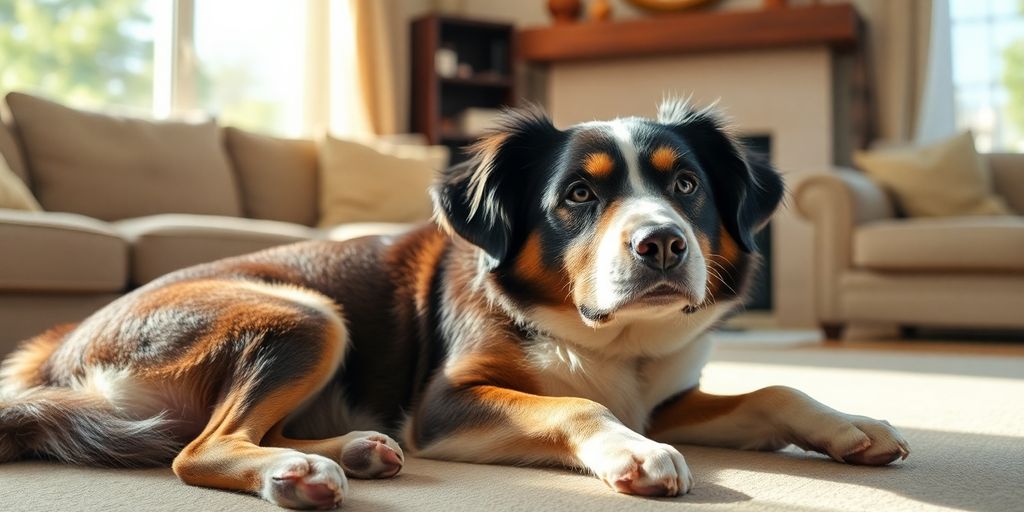
Sometimes, the best way to help a dog struggling with anxiety is to look at their surroundings. Making a few changes at home can make a big difference in how secure and calm they feel. It’s about creating a space where they can truly relax and feel safe, especially when you’re not around.
Creating a Secure and Comforting Haven
Think of your dog’s den as their personal sanctuary. This could be a crate, a corner of a room, or even a specific bed. The key is that it’s a place they can retreat to when they feel overwhelmed. Make sure it’s in a quiet part of the house, away from high traffic areas. Add soft bedding, maybe a favorite toy, and even an item that smells like you. Some dogs find comfort in a Thundershirt or a similar anxiety wrap, which applies gentle pressure to help them feel more secure. It’s like a constant, gentle hug.
Establishing Predictable Routines
Dogs thrive on predictability. Knowing what to expect throughout the day can significantly reduce their anxiety. This means trying to keep feeding times, walks, potty breaks, and even playtime consistent. A regular schedule helps them understand their world and reduces uncertainty, which is a major anxiety trigger for many dogs. Even small changes can be unsettling, so sticking to a routine provides a sense of stability.
Minimizing Exposure to Stressful Stimuli
Identify what makes your dog anxious and try to reduce their exposure to it. If loud noises are a problem, consider using white noise machines or playing calming music to help mask external sounds. For dogs who get anxious when left alone, try leaving the radio or television on. You can also explore audio-visual stimulation options that are designed to keep dogs engaged and calm. Sometimes, simply rearranging furniture to block off a view of a busy street can help. It’s all about managing their environment to prevent those anxious feelings from building up. You might find that audio-visual stimulation can really help when they’re home alone.
The Role of Exercise and Mental Stimulation
Keeping your dog physically active and mentally engaged is a huge part of managing their stress and anxiety. Think of it like this: a tired dog is usually a good dog, right? Regular exercise helps burn off that pent-up energy that can otherwise turn into nervous pacing or destructive chewing. It’s not just about long walks, though. Incorporating different activities can make a big difference.
Physical Activity for Stress Reduction
Daily walks are great, but mixing things up keeps it interesting. Fetch in the park, a game of tug-of-war, or even a good romp in a secure yard can really help your dog release tension. The key is consistency; aim for at least 30-60 minutes of moderate activity each day, depending on your dog’s breed and energy level. This physical exertion releases endorphins, which are natural mood boosters for your pup. It’s a fantastic way to help them cope with everyday stressors and can be a great way to bond with your pet. You can find more tips on managing stress through activity on pages like caed.
Engaging the Mind with Enrichment
Just like us, dogs need mental challenges to stay happy. Boredom can easily lead to anxiety. Puzzle toys are excellent for this – they make your dog work for their treats, providing a satisfying mental workout. Training sessions, even short ones, also work wonders. Teaching new tricks or practicing basic commands keeps their brain active and builds their confidence. Scent games, like hiding treats around the house for them to find, tap into their natural instincts and are incredibly engaging.
Balancing Energy and Preventing Destructive Behaviors
When a dog’s energy isn’t properly channeled, it often comes out in less desirable ways. Excessive barking, digging, or chewing are common signs that a dog might be bored or anxious. By providing enough physical and mental outlets, you’re essentially redirecting that energy into positive activities. This balance is crucial for preventing the development of more serious behavioral issues and helps create a more relaxed home environment for everyone. It’s about meeting their needs proactively, rather than just reacting to problems.
A well-exercised and mentally stimulated dog is less likely to exhibit anxious behaviors. It’s a proactive approach to their well-being, addressing the root causes of stress rather than just the symptoms.
Effective Training Strategies for Anxious Dogs

The Power of Positive Reinforcement
When you’re working with a dog who’s feeling anxious, the absolute best approach is to use positive reinforcement. This means rewarding the behaviors you want to see, like calm sitting or relaxed chewing, with things your dog loves – maybe a tasty treat, some enthusiastic praise, or a good scratch behind the ears. It’s all about building good associations. Punishment, on the other hand, can actually make anxiety worse. It can make your dog fearful of you or the situation, which is the last thing you want. Consistency is key here; the more you reward calm behavior, the more your dog will learn that this is the way to get good things.
Gradual Desensitization Techniques
This is a fancy term for slowly getting your dog used to something that scares them, without overwhelming them. Think of it like dipping your toes in the water before jumping in. If your dog is scared of thunderstorms, you wouldn’t blast thunder sounds at full volume. Instead, you’d start with a very quiet recording of thunder, maybe just for a few seconds, while giving your dog treats and praise for staying calm. Over many sessions, you slowly increase the volume or duration. The goal is to change their emotional response from fear to something neutral or even positive. It takes patience, but it really works to build their confidence in facing their fears. You can find some great resources on how to do this properly, like those offered by Paws N Play.
Building Confidence Through Consistent Training
Training isn’t just about teaching commands; it’s a fantastic way to boost your dog’s confidence and strengthen your bond. When your dog successfully learns something new, especially with positive methods, they start to feel more capable. This sense of accomplishment can spill over into how they handle other situations. Regular training sessions, even short ones, provide structure and predictability, which are super helpful for anxious dogs. They learn what’s expected of them, and that you’re a reliable source of guidance and positive experiences. This consistent interaction helps them feel more secure in their world.
Exploring Calming Aids and Professional Support
Sometimes, even with the best environmental adjustments and training, our dogs might still need a little extra help to feel more at ease. It’s totally normal to look for additional ways to support them, and thankfully, there are quite a few options out there. Think of these as tools in your toolbox to help your furry friend navigate stressful situations.
Natural Supplements and Calming Products
There’s a growing variety of products designed to help dogs relax. You might have seen pheromone diffusers or sprays, like Adaptil, which mimic calming canine pheromones. These can be really helpful in creating a more peaceful atmosphere at home. Then there are compression garments, often called “anxiety vests” or Thundershirts, that apply gentle, constant pressure, which can have a surprisingly soothing effect, similar to swaddling a baby. Some owners also find success with calming chews or treats that contain ingredients like L-theanine, chamomile, or melatonin. It’s always a good idea to chat with your vet before trying any new supplements, just to make sure they’re a good fit for your dog’s specific needs. You can find a good range of these calming aids for dogs online.
When to Seek Veterinary or Behavioral Expertise
If your dog’s anxiety seems severe, persistent, or is significantly impacting their quality of life, it’s definitely time to call in the pros. Your veterinarian is the first point of contact. They can rule out any underlying medical conditions that might be contributing to the anxiety. If it’s purely behavioral, they might refer you to a certified animal behaviorist or a veterinary behaviorist. These professionals have specialized knowledge in canine behavior and can create a tailored plan for your dog. They can help identify specific triggers and develop strategies like desensitization and counter-conditioning. Don’t hesitate to reach out; getting professional guidance is a sign of responsible pet ownership.
Understanding Medication Options
For some dogs, especially those with significant anxiety, medication might be a necessary part of the treatment plan. This is usually considered when behavioral modifications and calming aids aren’t enough on their own. Medications can range from short-acting options for specific stressful events (like fireworks or vet visits) to longer-term daily medications. These are prescribed by a veterinarian, often a veterinary behaviorist, and work by helping to rebalance brain chemistry. It’s important to remember that medication is typically most effective when used in conjunction with behavior modification. Finding the right medication and dosage can sometimes involve a bit of trial and error, so patience and close communication with your vet are key. They can help you understand the risks and benefits involved.
Bringing It All Together
So, we’ve talked a lot about why dogs get stressed or anxious and what that looks like. It’s not always easy to spot, but knowing the signs, like pacing, excessive barking, or even just hiding away, is a big first step. Remember, a lot of this comes down to their environment, past experiences, or even just big changes in their lives. The good news is there are plenty of things you can do. Creating a safe space, making sure they get enough exercise and mental playtime, and using positive training methods can make a huge difference. Sometimes, a little extra help from calming aids or talking to your vet about supplements or medication might be needed. The main thing is to be patient and observant. Your dog relies on you to help them feel secure and happy, and by understanding their needs, you can really improve their quality of life.
Frequently Asked Questions
Why do dogs get anxious?
Dogs can get anxious for many reasons, like loud noises (think fireworks!), being left alone, big changes at home (like moving), or even bad experiences in the past. Sometimes, it’s just part of their personality or breed.
What are the common signs that my dog is anxious?
Watch out for signs like pacing a lot, barking or whining more than usual, chewing up things they shouldn’t, trembling, hiding, or having accidents in the house. Sometimes they might lose their appetite or seem less interested in playing.
How can I make my home environment less stressful for my dog?
You can help by creating a safe and comfy spot for your dog, like a cozy bed with their favorite toys. Sticking to a regular daily routine can also make them feel more secure. Try to keep things calm and predictable.
Does exercise and mental stimulation help with dog anxiety?
Yes! Plenty of exercise and fun brain games can really help. Daily walks, playing fetch, and puzzle toys that make them think can tire them out physically and mentally, reducing their anxiety.
What are good training methods for anxious dogs?
Using positive reinforcement, like giving treats and praise when they’re calm, is super effective. You can also slowly get them used to things that make them nervous by exposing them to it a little bit at a time while rewarding good behavior.
When should I seek professional help for my dog’s anxiety?
It’s a good idea to talk to your vet if your dog’s anxiety is really bothering them. They can check if there’s a medical reason and suggest things like special calming treats, diffusers that mimic calming scents, or even medication if needed.