Wally’s Joyful Reunion with Grandma Reveals Pet Bond
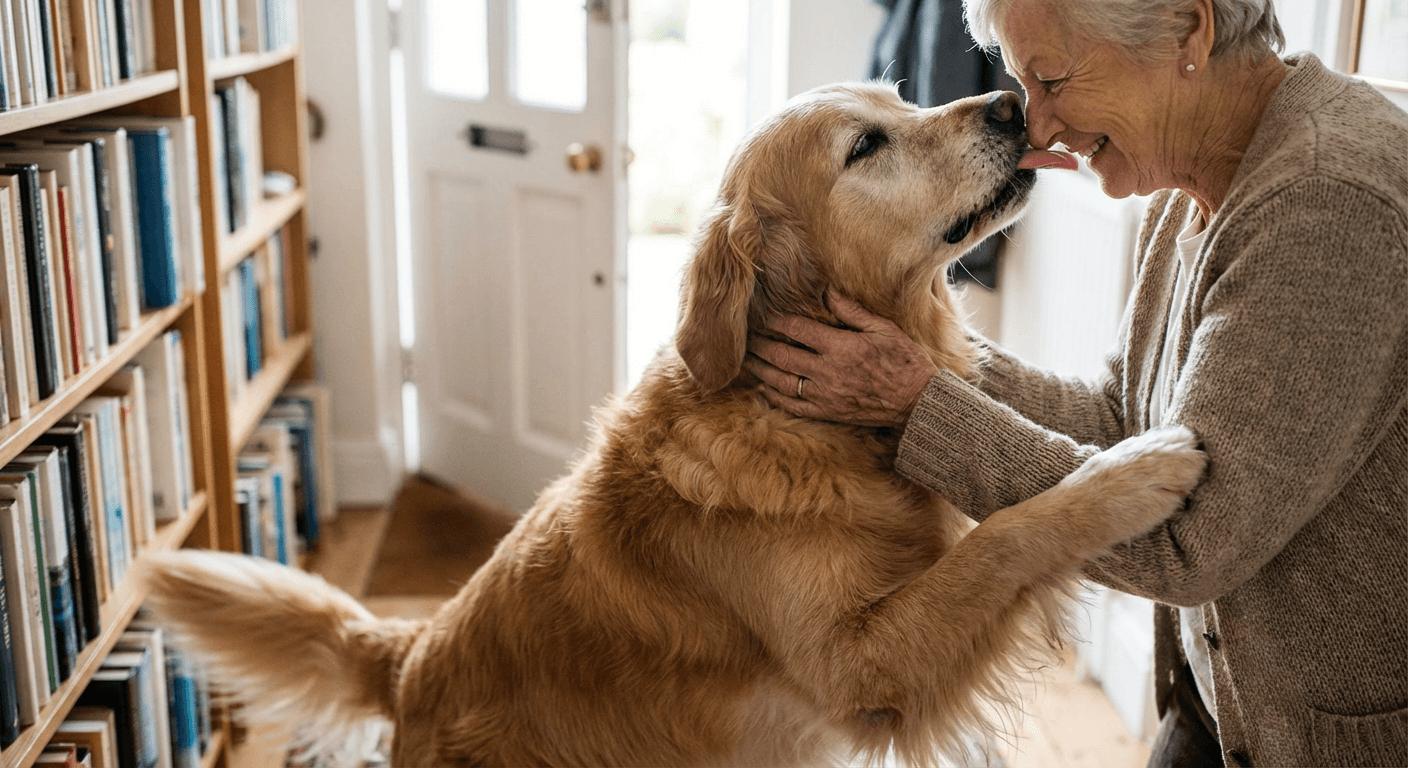
Golden Retriever’s Meeting With Grandma Went a Little Too Well
The heartwarming spectacle of a beloved pet greeting a cherished family member is a scene that resonates deeply with pet owners and animal lovers worldwide. In a world increasingly driven by digital connections, there’s something profoundly grounding and universally appealing about the pure, unadulterated joy a dog exhibits upon the arrival of someone special. This is perfectly encapsulated in the viral sensation featuring Wally, the charming Golden Retriever, whose meeting with his Grandma has captured countless hearts, proving that sometimes, things can go a little too well in the best possible way. The sheer exuberance and affection displayed by Wally serve as a beautiful reminder of the powerful, unconditional bond that exists between humans and their canine companions, especially within the comforting embrace of family.
Wally’s adorable encounter, as shared by Instagram user @wally.meets.world, showcased him in a state of controlled anticipation, perched on the couch, seemingly doing his best to embody the calmest host. However, the moment Grandma appeared at the door, laden with shopping bags—a clear sign of her enduring love and generosity—all pretense of tranquility vanished. What followed was an eruption of pure, unbridled happiness, a cascade of wiggles, tail wags, and affectionate nudges that perfectly illustrate the depth of emotion dogs are capable of. This seemingly simple interaction opens up a rich dialogue about canine behavior, the significance of family bonds for pets, and the broader implications for pet wellness, training, and the pet industry as a whole.
🔑Key Takeaways
- Wally the Golden Retriever’s viral greeting with his Grandma highlights the profound, unconditional bond between humans and their canine companions.
- Canine greetings are complex, involving learned behaviors, instinctual responses, and deep emotional expression, often correlating with the strength of their bond.
- Teaching impulse control and polite greeting behaviors is crucial for a dog’s well-being and the safety of family members, especially when excitement is high.
- The human-animal bond significantly contributes to a pet’s mental and emotional health, leading to happier, more adjusted, and potentially longer-lived pets.
- The pet industry is adapting to strengthen this bond through personalized products, mental enrichment tools, pet-friendly services, and educational platforms.
📑Table of Contents
- Golden Retriever’s Meeting With Grandma Went a Little Too Well
- The Psychology of Canine Greetings: More Than Just a Tail Wag
- Expert Takes
- The Human-Animal Bond: A Pillar of Pet Wellness
- Integrating Pets into Family Life: Benefits for All
- Expert Takes
- Enhancing Pet Interactions: Practical Tips for Owners, Veterinarians, and Trainers
- Pet Industry Trends: Supporting the Human-Animal Bond
- The Enduring Power of Connection (Conclusion)
✅The Psychology of Canine Greetings: More Than Just a Tail Wag
Wally’s greeting ritual, while uniquely endearing, offers a window into the complex psychology behind how dogs interact with their favorite people. It’s far more than just a simple “hello”; it’s a symphony of learned behaviors, instinctual responses, and emotional expression. Dogs, much like humans, form deep attachments, and these bonds are reinforced through consistent positive interactions. Grandma’s arrival, especially with the added incentive of “shopping bags”—a clear indicator of gifts or treats for Wally—creates a potent positive association. This isn’t just about food; it’s about the entire experience: the familiar scent, the loving tone of voice, the gentle touch, and the attention lavished upon them.
From a behavioral perspective, Wally’s initial attempt at calmness, followed by his joyous explosion, highlights the internal struggle many dogs face between learned manners and overwhelming excitement. Pet owners often strive to teach their dogs polite greetings, such as sitting patiently or not jumping. However, when the emotional stakes are high, as they are with a beloved family member who brings gifts, managing that excitement becomes a real challenge. This is where understanding canine communication and applying consistent training techniques become paramount, not just for the dog’s manners but for their overall well-being and the safety and comfort of their human family members.
Expert Takes
“The intensity of a dog’s greeting often directly correlates with the strength of their bond and the positive associations they’ve built with that individual,” explains Dr. Anya Sharma, a veterinary behaviorist. “Grandparents often represent a unique blend of unconditional love, spoiling, and less strict rules, which can make their arrival an incredibly high-value event for a pet. It’s a testament to the powerful human-animal connection.”
“While Wally’s excitement is adorable, it also underscores the importance of teaching impulse control and polite greeting behaviors from an early age,” notes Sarah Jenkins, a certified professional dog trainer. “Redirecting jumping into a sit or offering a toy can help channel that joyful energy into more appropriate interactions, ensuring safety and comfort for everyone, especially older family members who might be less steady on their feet.”
✅The Human-Animal Bond: A Pillar of Pet Wellness
The story of Wally and Grandma is a vivid illustration of the profound impact of the human-animal bond on a pet’s quality of life. For Wally, Grandma isn’t just a visitor; she’s a source of joy, comfort, and positive reinforcement. Such relationships contribute significantly to a dog’s mental and emotional well-being. Dogs thrive on social interaction, routine, and feeling like a valued part of a family unit. When these needs are met, particularly through consistent, loving interactions with multiple family members, it leads to a more confident, well-adjusted, and happier pet.
Research consistently shows that pets with strong social bonds exhibit fewer behavioral issues, experience less stress and anxiety, and even tend to live longer, healthier lives. Family members, including grandparents, aunts, uncles, and cousins, play a crucial role in enriching a pet’s life by providing varied social experiences, different forms of play, and unique expressions of affection. These interactions build resilience in pets, helping them adapt to different people and environments, which is vital for their overall development.
✅Integrating Pets into Family Life: Benefits for All
The scene with Wally and Grandma isn’t just about Wally; it’s about the mutual benefits of integrating pets deeply into family life. For Grandma, the joyful greeting from Wally likely brings immense pleasure and a sense of purpose. Studies have shown that interacting with pets can lower blood pressure, reduce feelings of loneliness, and decrease stress in humans. For older adults, in particular, the presence of a loving pet can provide companionship, encourage physical activity (even if it’s just reaching down for a pat), and offer a consistent source of comfort and affection.
Expert Takes
“Pets enrich the lives of everyone in a household, but the bond with grandchildren or grandparents can be particularly special,” observes Dr. Emily Roberts, a veterinarian specializing in geriatric pet care. “These relationships often provide unique benefits, such as gentle companionship for older family members and diverse socialization experiences for the pet. It’s a synergistic relationship that contributes positively to the mental and emotional health of both ends of the leash.”
“When considering pet integration into a multi-generational household, communication and clear boundaries are key,” advises Mark Thompson, a family therapist with a focus on pet-human dynamics. “Everyone, from the youngest child to the eldest grandparent, should understand their role in the pet’s care, training, and socialization to ensure a harmonious environment for all.”
✅Enhancing Pet Interactions: Practical Tips for Owners, Veterinarians, and Trainers
Understanding the dynamics of Wally’s joyful greeting provides several practical takeaways for pet owners, veterinarians, and trainers alike, aiming to improve pet health, behavior, and overall quality of life.
- Positive Reinforcement and Association: Grandma’s shopping bags are a potent symbol of positive association. Pet owners can replicate this by ensuring that all family members, especially those who visit less frequently, engage in positive interactions like offering treats, engaging in gentle play, or providing affectionate attention. This builds a strong positive emotional bank account for the pet with each individual.
- Managing Excitement and Impulse Control: While Wally’s enthusiasm is endearing, owners can work on polite greeting behaviors. This involves training cues like “sit,” “stay,” and “four on the floor” (keeping all paws on the ground) and rewarding calm behavior generously. Practicing these behaviors with various family members, even when they don’t have gifts, helps generalize the training. For highly excitable dogs, strategies like giving them a puzzle toy before guests arrive or having them greet visitors from behind a baby gate can help manage their arousal levels.
- Understanding Canine Body Language: Wally’s initial calm posture followed by his excited burst tells a story. Pet owners should learn to read their dog’s body language to understand their emotional state. Subtle cues like lip licks, yawns, or averted gazes might indicate stress, even amid excitement. Recognizing these signals allows owners to intervene and help their dog regulate their emotions, promoting a sense of security and well-being.
- Tailoring Interactions to the Pet’s Personality: Not all dogs are as outwardly effusive as Wally. Some prefer a calmer, more reserved greeting. Family members should be educated on respecting the dog’s individual preferences and not forcing interactions. This is particularly important for children and older adults who might unintentionally overwhelm a shy or nervous pet.
- Veterinary Check-ups and Behavioral Consults: For pets exhibiting extreme excitement or anxiety during greetings, a veterinary check-up can rule out underlying medical conditions. If behavioral issues persist, a referral to a certified veterinary behaviorist or professional dog trainer can provide tailored strategies and support. They can help identify triggers, develop behavior modification plans, and ensure the pet’s emotional needs are being met.
👉VIP Pets: Luxury and Style for Your Pet
✅Pet Industry Trends: Supporting the Human-Animal Bond
The enduring appeal of stories like Wally’s underscores several key trends within the broader pet industry, all geared towards strengthening the human-animal bond and improving pet wellness.
- Personalized Pet Products and Gifting: The idea of “shopping bags” for Wally highlights the booming market for personalized pet gifts and luxury items. From custom-made treats and gourmet pet food to bespoke toys and comfortable beds, owners are increasingly willing to invest in products that show their love and enhance their pet’s comfort and happiness. This trend benefits pet product sellers who can cater to this demand with innovative, high-quality offerings.
- Focus on Mental Enrichment and Behavioral Health: The challenge of managing a dog’s excitement has led to a surge in demand for products and services focused on mental enrichment. Puzzle toys, snuffle mats, and interactive feeders help channel a dog’s energy and intelligence, promoting calm behavior. Furthermore, the increasing recognition of pet mental health has led to a rise in pet insurance plans covering behavioral therapy and an expansion of services offered by veterinary behaviorists and certified trainers.
- Pet-Friendly Hospitality and Services: As pets become more integral to families, there’s a growing demand for pet-friendly accommodations, restaurants, and public spaces. This trend reflects the desire for pets to be included in family outings and gatherings, much like Grandma’s visit. This creates opportunities for businesses to cater to pet owners with specific amenities and services.
- Education and Community Building: Social media platforms, like the one where Wally’s video was shared, serve as powerful tools for pet owners to connect, share experiences, and seek advice. This fosters a sense of community and provides platforms for pet industry experts to disseminate valuable information on pet care, behavior, and wellness. Newsletters and blogs play a crucial role in synthesizing these insights and making them accessible to a wider audience.
📑FAQ Section
Why do dogs get so excited when family members visit?
Dogs form deep attachments to their favorite people. Their excitement is a symphony of learned behaviors, instinctual responses, and emotional expression, reinforced by positive associations like familiar scents, loving tones, gentle touches, and the attention lavished upon them. For some, like Wally, the arrival of a loved one can also signal the possibility of gifts or treats, heightening their joy.
How can I teach my dog to greet visitors calmly?
Teaching impulse control and polite greeting behaviors is essential. This involves training cues such as “sit,” “stay,” and “four on the floor” (keeping all paws on the ground), and generously rewarding calm behavior. Practicing these behaviors with various family members and using strategies like puzzle toys or baby gates can help manage arousal levels during greetings.
What are the benefits of the human-animal bond for pets?
Strong human-animal bonds significantly contribute to a pet’s mental and emotional well-being. Pets with robust social connections often exhibit fewer behavioral issues, experience less stress and anxiety, and tend to live longer, healthier lives. They thrive on social interaction, routine, and feeling like a valued part of a family unit, which leads to a more confident and well-adjusted companion.
How do pets benefit older family members?
Integrating pets into family life offers mutual benefits. For older family members, interacting with pets can lower blood pressure, reduce feelings of loneliness, and decrease stress. The presence of a loving pet provides companionship, encourages physical activity, and offers a consistent source of comfort and affection, enriching their lives immensely.
What role does the pet industry play in strengthening the human-animal bond?
The pet industry supports the human-animal bond through several trends, including personalized pet products and gifting, a focus on mental enrichment and behavioral health services (like puzzle toys, snuffle mats, and behavioral therapy), and the expansion of pet-friendly hospitality and services. Social media and educational platforms also play a crucial role in connecting pet owners and disseminating valuable care information.
Conclusion | Wally the Golden Retriever’s meeting with his Grandma is far more than just a viral video; it’s a testament to the enduring power of connection, love, and the profound role pets play in our lives. It reminds us that these relationships are not only deeply rewarding but also vital for the well-being of our animal companions. By understanding the science behind these interactions, applying thoughtful training, and embracing the products and services that support responsible pet ownership, we can ensure that every reunion, whether with a grandparent or any cherished family member, is as joyous and well-managed as Wally’s delightful encounter. The pet industry, veterinarians, trainers, and pet owners all have a part to play in nurturing these invaluable bonds, contributing to a world where every pet feels loved, understood, and deeply integrated into the fabric of family life.
👉Most Calm Dog Breeds: 10 Pups with Chill Vibes