Cat’s Bedtime Rule Why Milo Needs His Owner
Cat Won’t Sleep Until ‘Butler’ Owner Joins Him in Bed
Key Takeaways
- Milo the cat’s viral story highlights a specific bedtime ritual, emphasizing feline attachment and the evolving human-animal bond.
- Cats, despite their independent reputation, form strong attachments and thrive on routines and predictable environments.
- Pet quirks like Milo’s underscore the importance of understanding nuanced feline communication beyond vocalizations.
- The “butler” phenomenon reflects a cultural shift where pets are deeply integrated into families, dictating aspects of daily life.
- Viral pet stories offer valuable insights for pet owners and drive innovation in the pet industry, from products to services.
Table of Contents
- The Irresistible Charm of Pet Quirks: Why Milo’s Story Resonates
- Deeper Dive into Feline Behavior: Attachment, Routine, and Communication
- The “Butler” Phenomenon: Evolving Human-Animal Dynamics
- Implications for Pet Owners: Decoding Your Cat’s Unique Needs
- Implications for the Pet Industry: Leveraging Insights from Viral Trends
- Connecting to Broader Pet Wellness, Training, and Care
- Scientific Advancements and Research: Unpacking the Human-Animal Bond
- FAQ Section
- Conclusion
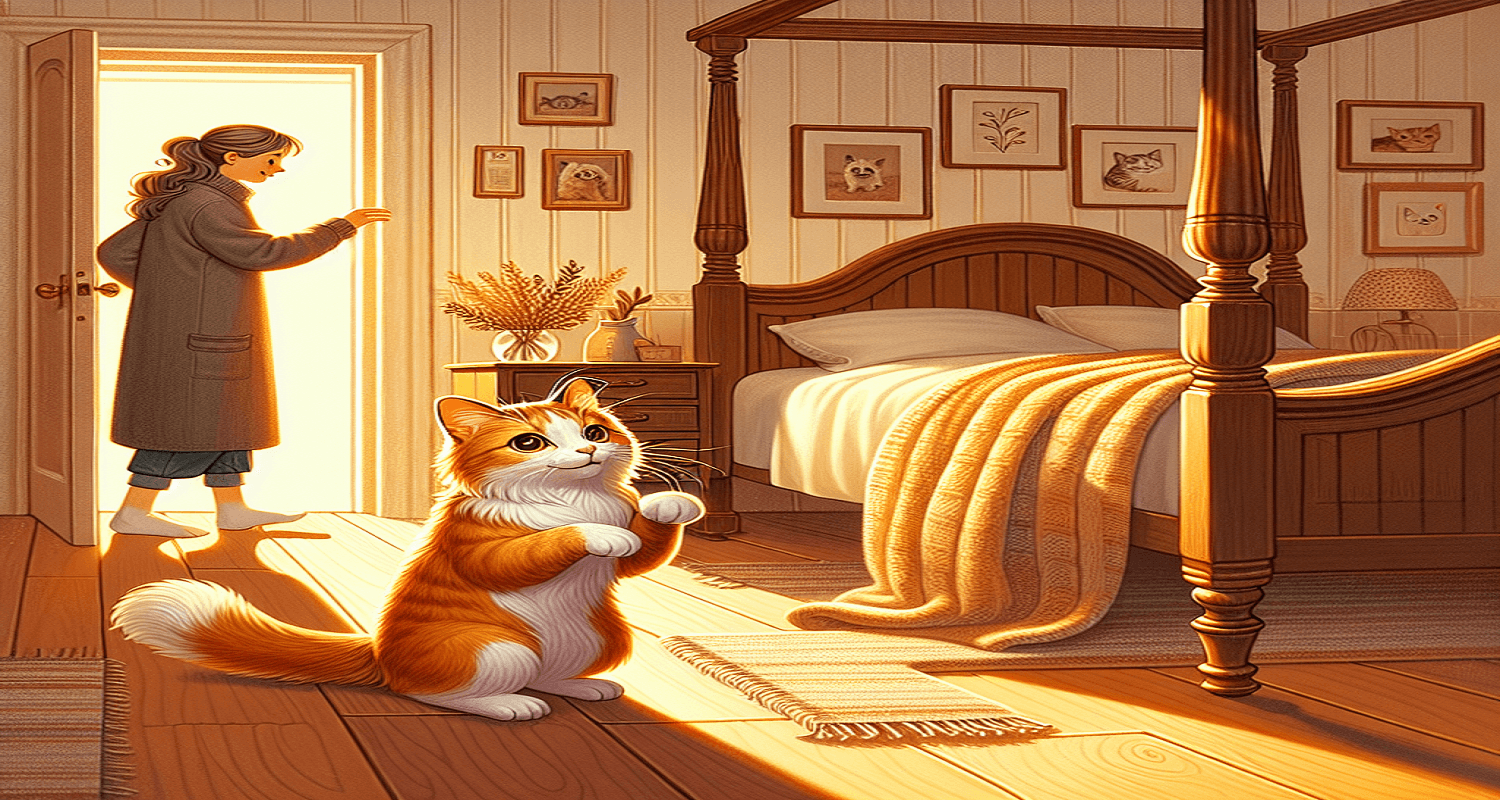
The internet, a boundless repository of human creativity and connection, often finds its most heartwarming and viral moments in the endearing quirks of our animal companions. From dogs mastering complex tricks to parrots mimicking human speech with astonishing accuracy, pets continually captivate our collective imagination. Recently, a charming tabby Domestic Shorthair named Milo became the latest feline to steal hearts online, demonstrating a delightful, albeit firm, bedtime ritual that has resonated with countless pet owners worldwide. His story, shared by his owner, Instagram user @mr.milothechonk, quickly went viral, showcasing Milo’s peculiar demand: his “butler”—as his owner humorously refers to herself—must be upstairs and in bed before Milo will settle down for the night. This viral sensation isn’t just an amusing anecdote; it offers a profound window into the intricate world of feline behavior, the evolving human-animal bond, and the significant implications for how we understand, care for, and innovate within the broader pet industry.
Milo’s insistence on co-sleeping, or at least co-presence for slumber, highlights a deeper narrative about feline attachment, routines, and communication. It underscores the often-underestimated emotional complexity of cats and their unique ways of forming bonds with their human companions. Far from being aloof and independent creatures, many cats develop strong attachments, relying on their humans for comfort, security, and a sense of routine. Milo’s refusal to sleep until his “butler” is in place is not merely a preference; it’s a clear behavioral expression of his need for companionship and reassurance, a testament to the powerful, often unspoken, bond he shares with his owner.
The Irresistible Charm of Pet Quirks: Why Milo’s Story Resonates
The immediate appeal of Milo’s video lies in its relatability. How many pet owners have experienced their animals dictating aspects of their daily lives, from wake-up calls to preferred cuddle spots? Milo’s story taps into a universal truth for those who share their lives with pets: our furry friends often have distinct personalities, strong preferences, and sometimes, surprisingly human-like demands. This anthropomorphism, the attribution of human characteristics to animals, is a cornerstone of the human-animal bond. It allows us to connect with our pets on an emotional level, interpreting their barks, meows, and behaviors through a lens of shared experience.
For pet owners, Milo’s “butler” scenario evokes empathy and understanding. It validates their own experiences of being “managed” by their pets and fosters a sense of community among those who navigate the delightful intricacies of pet parenthood. For those outside the immediate pet-owning demographic, the video provides a glimpse into the unique dynamics of pet-human relationships, potentially fostering greater appreciation and understanding of animals. This virality also underscores the power of social media in sharing these intimate moments, creating a global platform where pet stories become collective experiences, influencing everything from pet product trends to public perception of animal welfare.
Deeper Dive into Feline Behavior: Attachment, Routine, and Communication
Milo’s bedtime ritual is more than just cute; it offers a rich case study for understanding key aspects of feline behavior.
Feline Attachment and Social Bonds
Despite their reputation for independence, cats are highly social creatures who form strong attachments, particularly with their human caregivers. These bonds are often characterized by affiliative behaviors such as purring, rubbing, kneading, and yes, seeking proximity during sleep. Milo’s need for his owner’s presence before settling down illustrates a secure attachment style. He views his owner as a primary attachment figure, a source of safety and comfort.
“Milo’s behavior is a classic example of a cat seeking comfort and security within their established social structure,” explains Dr. Evelyn Reed, a renowned veterinary behaviorist specializing in feline ethology. “For many domestic felines, their human companion represents their primary attachment figure, and co-sleeping or proximity during rest can be a powerful reinforcement of that bond, signaling safety and belonging within their territory.”
This attachment is rooted in their evolutionary history. While wild felines are solitary hunters, their social structures can be more complex, especially where resources are abundant. Domesticated cats have adapted further, forming colonies and strong bonds with humans. The presence of a trusted human provides a sense of security, mimicking the comfort a kitten might find with its mother or a cat within a stable social group. When this bond is strong, separation anxiety, even mild forms, can manifest as behaviors like Milo’s, where the cat delays rest until the ‘pack leader’ or primary comfort provider is present.
The Significance of Routine and Predictability
Cats are creatures of habit. They thrive on routine and predictability in their environment. A consistent schedule for feeding, play, and rest contributes significantly to their sense of security and overall well-being. Any disruption to this routine can cause stress or anxiety. Milo’s “strict bedtime policy” isn’t arbitrary; it’s a manifestation of his inherent need for a predictable schedule and environment. His internal clock and social expectations are synchronized with his owner’s presence at bedtime.
When his owner isn’t upstairs and in bed, Milo’s routine is disrupted. This disruption, however minor it might seem to a human, can be a source of mild anxiety for a cat. By waiting, Milo is, in essence, trying to re-establish his desired routine and restore his sense of predictability. Understanding this intrinsic need for routine allows pet owners to create more stable and less stressful environments for their cats, which can prevent a host of behavioral issues.
Feline Communication: Beyond the Meow
Cats communicate their needs and desires through a complex repertoire of vocalizations, body language, and specific behaviors. Milo’s refusal to sleep is a prime example of behavioral communication. While he might not be meowing specific instructions, his actions—waiting, perhaps pacing, or even nudging—are clear signals to his owner. Learning to interpret these subtle cues is crucial for effective human-cat communication.
“Feline communication is incredibly nuanced, and often, what a cat doesn’t do can be as communicative as what they do,” notes Sarah Jensen, a certified animal behaviorist and cat trainer. “Milo’s passive protest—his refusal to sleep—is a sophisticated form of non-verbal communication, indicating a specific need or expectation. It’s a testament to the cat’s intelligence and their ability to ‘train’ their humans to meet their social and emotional requirements.”
Observing tail position, ear direction, pupil dilation, vocalizations, and specific actions like rubbing, blinking, or persistent waiting can provide invaluable insights into a cat’s emotional state and intentions. In Milo’s case, his owner has clearly learned to “speak cat,” understanding that her presence is a prerequisite for his peaceful slumber.
The “Butler” Phenomenon: Evolving Human-Animal Dynamics
The term “butler” jokingly used by Milo’s owner reflects a broader cultural shift in how we view and interact with our pets. No longer merely animals kept for utility or companionship, pets are increasingly integrated into our families, often treated with the same care, consideration, and even indulgence as human children. This “butler” mentality signifies a deep commitment to our pets’ well-being, where their needs and preferences often dictate aspects of our own lives.
Benefits of the Human-Animal Bond
The depth of the human-animal bond offers profound benefits for both species. For humans, pets provide unconditional love, reduce stress, combat loneliness, and encourage physical activity. The act of caring for a pet can instill a sense of purpose and responsibility. For pets, a strong bond with their human offers security, regular access to food and shelter, veterinary care, and an enriched environment far exceeding what many wild animals experience. It’s a symbiotic relationship built on mutual affection and reliance.
Dr. Liam O’Connell, a psychologist specializing in human-animal interaction, emphasizes, “Stories like Milo’s beautifully illustrate the reciprocal nature of the human-animal bond. While the owner provides security and comfort for Milo, the very act of fulfilling Milo’s unique need deepens the owner’s sense of connection and fulfillment. It’s a positive feedback loop that enhances well-being for both.”
The Responsibilities of the Bond
While rewarding, this deep bond also comes with significant responsibilities. Understanding and respecting a pet’s individual personality, needs, and communication signals is paramount. Providing appropriate nutrition, regular veterinary care, mental stimulation, and a safe, loving environment are foundational. For pet owners like Milo’s “butler,” it means adapting one’s own routine to accommodate the specific emotional needs of their feline companion, a testament to the strength of their relationship.
Implications for Pet Owners: Decoding Your Cat’s Unique Needs
Milo’s story serves as an excellent reminder for all pet owners about the importance of observing and responding to their cat’s individual quirks.
- Embrace Individuality: Every cat is unique. What brings comfort to one cat might not affect another. Milo’s specific need for co-sleeping highlights the necessity of recognizing and respecting these individual differences.
- Become a Feline Ethologist: Pay close attention to your cat’s body language, vocalizations, and behavioral patterns. Are there specific routines they seem to follow? Do they exhibit particular behaviors when stressed, happy, or seeking attention? Learning to read these signals will deepen your understanding and allow you to better meet their needs.
- Prioritize Routine and Predictability: Whenever possible, establish a consistent schedule for feeding, playtime, and rest. This provides a stable environment that can reduce anxiety and promote well-being.
- Balance Independence with Affection: Cats are often stereotyped as aloof, but they still require affection and social interaction. Find the balance that suits your cat’s personality – some may prefer frequent cuddles, others brief, focused interactions.
- Environmental Enrichment: Beyond basic needs, ensure your cat has a stimulating environment. This includes scratching posts, climbing structures, interactive toys, and safe spaces for retreat. For cats like Milo, companionship is also a critical form of enrichment.
Implications for the Pet Industry: Leveraging Insights from Viral Trends
Viral pet stories like Milo’s offer valuable insights that can shape product development, service offerings, and marketing strategies across the pet industry.
Product Innovation & Development
Understanding unique pet behaviors and owner-pet dynamics can inspire new product lines.
- Comfort & Security Products: If cats like Milo thrive on proximity, there’s a market for products that facilitate this, such as specialized co-sleeping pet beds that attach to human beds, calming diffusers, or even weighted blankets designed for pets to simulate a comforting presence.
- Behavioral Aids: Products that support routines, like automated feeders or interactive puzzle toys, can help manage anxiety when owners are away, even if they can’t replace human companionship.
- Smart Home Pet Tech: Devices that monitor pet behavior, provide remote interaction, or regulate environmental factors could appeal to owners deeply invested in their pet’s well-being.
Services & Veterinary Insights
- Behavioral Consultations: The increasing awareness of complex pet behaviors drives demand for professional veterinary behaviorists and animal trainers who can help owners understand and manage specific behavioral issues, like separation anxiety or unusual rituals.
- Pet Sitting & Boarding: Services that prioritize maintaining a pet’s routine and providing personalized comfort, rather than just basic care, will appeal to owners of highly attached pets.
- Veterinary Care: Vets can use these insights to better advise owners on stress management, environmental enrichment, and the psychological health of their feline patients. Understanding a cat’s baseline behavior (like Milo’s sleep ritual) is crucial for identifying when something is amiss.
Marketing & Branding
- Emotional Storytelling: Brands can leverage the emotional resonance of stories like Milo’s in their marketing campaigns. Highlighting the deep bond between pets and owners, and how products/services support this bond, can create powerful connections with consumers.
- Relatability: Marketing efforts that tap into the shared experiences of pet owners—the joys, challenges, and unique quirks—will be more effective. Milo’s story is a perfect example of a universally relatable pet experience.
- Community Building: Social media campaigns that encourage owners to share their pet’s unique habits can foster a sense of community and brand loyalty.
Connecting to Broader Pet Wellness, Training, and Care
While Milo’s story is specifically about a sleep routine, it provides a powerful lens through which to view holistic pet wellness.
- Behavioral Wellness: A cat that feels secure and has its social needs met, like Milo eventually does, is a cat with better behavioral wellness. Stress, anxiety, and behavioral issues often stem from unmet needs.
- Physical Health: Behavioral and emotional well-being are intrinsically linked to physical health. A stressed cat can exhibit physiological symptoms, while a content cat is generally healthier. Adequate sleep, supported by a feeling of security, is vital for physical recuperation and immune function.
- Training Efficiency: While we aren’t “training” Milo to demand his owner’s presence, understanding his motivation (comfort, security) is a form of training for the owner. It reinforces positive interactions and builds trust, which is the foundation for any training efforts, from litter box use to leash training.
- Nutrition: Good nutrition supports a healthy brain and nervous system, which in turn influences mood, behavior, and sleep quality. A cat that is physically unwell or nutritionally deficient may exhibit behavioral changes, including disrupted sleep patterns.
- Grooming: While less directly related, a cat that feels secure and loved is often more amenable to grooming, whether self-grooming or assisted grooming. A well-groomed cat is generally a happier and healthier cat, as grooming can reduce discomfort and skin issues.
Scientific Advancements and Research: Unpacking the Human-Animal Bond
The viral nature of stories like Milo’s prompts deeper reflection on ongoing scientific research into the human-animal bond. Studies in animal cognition, emotional intelligence, and neurobiology are continually revealing the complex ways animals think, feel, and attach. Research into oxytocin, often called the “love hormone,” shows that it plays a crucial role in bonding not just between humans, but also between humans and their pets. When an owner interacts affectionately with their cat, both experience a release of oxytocin, strengthening their mutual attachment. This scientific validation provides a biological basis for the profound emotional connections we witness in stories like Milo’s. Further research into feline sleep patterns, social structures, and attachment behaviors continues to refine our understanding, guiding better pet care practices and informing the development of innovative products and services.
FAQ Section
Q: Why do cats like Milo insist on their owners’ presence for sleep?
A: Cats like Milo often seek their owner’s presence for sleep due to a secure attachment bond. Their owner represents a primary attachment figure, providing comfort, security, and a sense of routine. This behavior is a form of communication, signaling their need for companionship and reassurance before settling down.
Q: Are all cats as attached to their owners as Milo?
A: While many cats form strong attachments, the degree of attachment and how it’s expressed can vary greatly among individuals. Every cat has a unique personality and attachment style. Some may be more independent, while others, like Milo, exhibit a clear need for proximity and routine with their human companions.
Q: How can I tell what my cat needs or wants?
A: Decoding your cat’s needs involves observing their body language, vocalizations, and behavioral patterns. Pay attention to tail position, ear movements, pupil dilation, specific meows, purrs, or actions like rubbing, kneading, or persistent waiting. A consistent routine and a stimulating environment also help reduce stress and improve communication.
Q: What are the benefits of a strong human-animal bond for both pets and owners?
A: A strong bond offers numerous benefits: for humans, it provides unconditional love, stress reduction, and a sense of purpose. For pets, it ensures security, consistent care, and an enriched environment. It’s a symbiotic relationship where mutual affection and reliance enhance the well-being of both.
Conclusion: The Enduring Power of Pet Love
Milo the cat, with his charming insistence on a pre-slumber cuddle, has become more than just an internet sensation; he’s a potent symbol of the profound and often surprising depths of the human-animal bond. His story reminds us that our pets are not just animals living in our homes; they are sentient beings with complex emotional lives, unique personalities, and specific needs that, when met, enrich not only their lives but ours as well.
From the quiet wisdom of a cat seeking comfort to the scientific intricacies of feline attachment, every interaction with our pets offers a chance to learn and grow. For pet owners, it’s a call to observe, understand, and cherish the individual quirks that make each pet unique. For veterinarians and animal care professionals, it underscores the importance of a holistic approach to wellness, integrating behavioral insights with physical health. For the pet industry, it provides invaluable inspiration for innovations that cater to the evolving needs of highly cherished companions. As we continue to share our lives with these incredible creatures, stories like Milo’s serve as delightful reminders of the enduring power of pet love and the boundless joy that comes from truly understanding and embracing our roles as their devoted “butlers.” The journey of discovery into the hearts and minds of our pets is an ongoing adventure, continually enriched by the charming demands of creatures like Milo, who teach us, one bedtime ritual at a time, what it truly means to be loved.