7 Powerful Reasons Why Does My Puppy Bite So Much? (+ Easy Training Fixes That Work!)
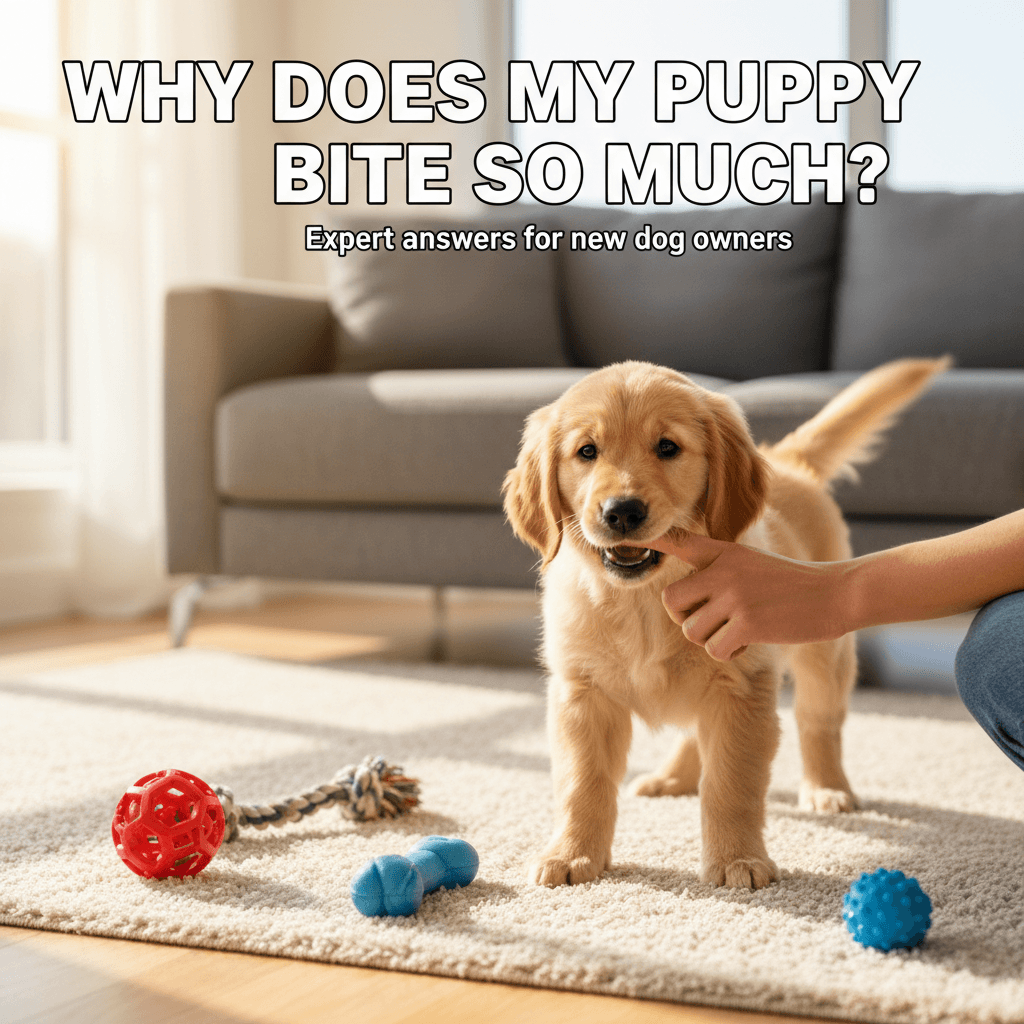
Why Does My Puppy Bite So Much? 🐶
Bringing home a puppy is exciting, heartwarming, and full of unforgettable moments. But many new puppy owners quickly find themselves asking: “Why Does My Puppy Bite So Much?”
If your adorable furball keeps nipping your hands, ankles, clothes, or even your guests, you’re not alone. Puppy biting is one of the most common concerns among dog owners. The good news? In most cases, it’s completely normal and temporary.
Understanding why puppies bite is the first step toward teaching them better habits.
Understanding Puppy Biting Behavior 🦴
Puppies explore the world using their mouths. Just as human babies use their hands to touch everything, puppies rely heavily on biting and chewing to investigate their surroundings.
Biting helps puppies:
- Learn about textures and objects.
- Interact with their littermates.
- Develop social skills.
- Relieve discomfort during teething.
- Burn excess energy.
Although puppy biting can be frustrating, it usually doesn’t indicate aggression.
Is Puppy Biting Normal? 🤔
Absolutely.
Most puppies go through a biting phase between 8 weeks and 6 months of age. During this stage, they’re learning boundaries and impulse control.
In fact, puppies naturally bite each other during play. Through these interactions, they develop what’s known as bite inhibition—the ability to control the strength of their bite.
Without proper guidance from humans, puppies may struggle to learn these important skills.
Top Reasons Why Puppies Bite So Much 😎
1. Teething Pain 🦷
Teething is one of the biggest reasons behind excessive puppy biting.
Puppies lose their baby teeth and grow adult teeth between 3 and 6 months of age. This process can make their gums sore and itchy.
Signs of teething include:
- Increased chewing.
- Swollen gums.
- Drooling.
- Irritability.
- Seeking hard objects to bite.
Providing safe chew toys can help soothe discomfort.
2. Play and Exploration 🎾
Puppies don’t have hands.
They use their mouths to interact with people and objects. During playtime, they often become excited and may nip without realizing it hurts.
This behavior isn’t meant to be mean—it’s simply how puppies communicate and explore.
3. Overstimulation ⚡
Sometimes puppies become overtired or overly excited.
When this happens, they may lose self-control and begin biting more frequently.
Common triggers include:
- Long play sessions.
- Loud environments.
- Meeting many new people.
- Missing naps.
A quiet rest period often helps reset their behavior.
4. Attention-Seeking 👀
Believe it or not, puppies quickly learn what gets your attention.
If biting causes you to yell, chase, or react dramatically, your puppy may interpret it as a fun game.
Even negative attention can reinforce the behavior.
How to Stop Puppy Biting: Training Techniques That Actually Work 🐶✨
Now that you understand the answer to “Why Does My Puppy Bite So Much?”, it’s time to focus on solutions.
The key is to teach your puppy what to do instead of simply punishing what you don’t want.
1. Redirect to Appropriate Chew Toys 🦴
Whenever your puppy starts biting your hands or clothing, calmly offer an appropriate chew toy.
Good options include:
- Rubber chew toys
- Puppy-safe teething rings
- Rope toys
- Frozen puppy toys for sore gums
This teaches your puppy that toys are acceptable outlets for chewing and biting.
2. Use Positive Reinforcement 🎉
Reward behaviors you want to see more often.
When your puppy plays gently:
- Praise them enthusiastically.
- Offer treats.
- Continue the game.
- Use a happy tone of voice.
Dogs repeat behaviors that bring positive outcomes.
3. Teach Bite Inhibition 🖐️
Bite inhibition means controlling the pressure of a bite.
If your puppy bites too hard:
- Say “Ouch!” in a calm but noticeable voice.
- Stop interacting immediately.
- Turn away for 20–30 seconds.
- Resume play once your puppy settles.
This mimics how littermates teach each other boundaries.
4. Schedule Regular Naps 😴
Many puppy “zoomies” and biting episodes happen because they’re overtired.
Young puppies often need:
- 18–20 hours of sleep daily.
- Quiet nap breaks throughout the day.
- Predictable routines.
A well-rested puppy is usually a better-behaved puppy.
5. Provide Daily Mental Stimulation 🧩
A bored puppy often becomes a bitey puppy.
Try:
- Food puzzles
- Basic obedience training
- Snuffle mats
- Scent games
- Short training sessions
Mental exercise can be just as tiring as physical activity.
Read More ➡ Why Is My Dog’s Nose Dry?

Common Mistakes to Avoid 🚫
Even loving owners can accidentally encourage biting.
Here are the biggest mistakes to watch out for:
Using Physical Punishment
Avoid:
- Hitting
- Tapping the nose
- Alpha rolls
- Holding the mouth shut
Punishment may increase fear and damage trust.
Playing Rough With Hands
Wrestling using your hands teaches puppies that human skin is a toy.
Instead:
- Use tug toys.
- Use balls.
- Keep interactive toys nearby.
Inconsistency
If one family member allows biting while another discourages it, your puppy receives mixed messages.
Everyone in the household should follow the same rules.
Expecting Instant Results
Training takes time.
Remember:
- Puppies are babies.
- Learning happens gradually.
- Consistency beats perfection.
Celebrate small improvements.
When Should You Be Concerned? ⚠️
Although most puppy biting is normal, certain behaviors may require professional guidance.
Speak with your veterinarian or a certified dog trainer if your puppy:
- Shows stiff body language before biting.
- Growls intensely around food or toys.
- Bites without warning.
- Causes repeated puncture wounds.
- Continues severe biting beyond adolescence.
- Displays signs of fear aggression.
Early intervention leads to better outcomes.
Creating a Puppy-Friendly Environment 🏡🐾
Prevention is often easier than correction.
Set your puppy up for success by:
Puppy-Proofing Your Home
- Put away valuable items.
- Remove unsafe chewable objects.
- Use baby gates when needed.
- Keep shoes out of reach.
Establishing Routine
Dogs thrive on predictability.
Maintain consistent schedules for:
- Feeding
- Potty breaks
- Training
- Exercise
- Rest periods
Structure reduces stress and unwanted behaviors.

FAQs: Why Does My Puppy Bite So Much? ❓
1. At what age do puppies stop biting?
Most puppies improve significantly between 6 and 8 months as adult teeth emerge and training progresses.
2. Is puppy biting a sign of aggression?
Usually, no.
Most puppy biting is linked to teething, play, or excitement rather than true aggression.
3. Should I let my puppy chew on my hands?
No.
Allowing hand-biting sends mixed signals and may encourage stronger biting habits.
4. Does yelling stop puppy biting?
Not effectively.
Some puppies become fearful, while others interpret yelling as exciting attention.
Positive reinforcement tends to work better.
5. What toys help with puppy biting?
Puppy-safe rubber toys, frozen teething toys, ropes, and interactive chew toys are excellent choices.
6. Can exercise reduce puppy biting?
Yes.
Appropriate physical activity and mental enrichment help reduce excess energy that contributes to nipping.
7. Should I hire a trainer?
If biting feels overwhelming or concerning, a certified positive reinforcement trainer can provide personalized guidance.
Read More ➡ 11 Fascinating Reasons Why Do Dogs Tilt Their Heads?
Expert Tips for Long-Term Success 🌟
Professional trainers often recommend these simple principles:
✔ Stay calm and patient.
✔ Reward desired behavior immediately.
✔ Keep training sessions short and fun.
✔ Focus on consistency.
✔ Manage your puppy’s environment.
✔ Build trust through positive experiences.
Remember, your puppy isn’t trying to be difficult. They’re learning how to navigate a completely new world.
Conclusion: The Good News About Puppy Biting ❤️🐶
If you’ve been asking yourself, “Why Does My Puppy Bite So Much?”, take comfort in knowing that this phase is both common and manageable.
Most puppies bite because they’re:
- Teething,
- Exploring,
- Playing,
- Seeking attention,
- Overstimulated, or
- Still learning self-control.
With patience, positive reinforcement, appropriate chew outlets, and consistent training, your puppy can develop excellent bite inhibition and grow into a well-mannered adult dog.
Those tiny needle-sharp teeth won’t last forever. 😄
The time and effort you invest today will strengthen the bond between you and your puppy for years to come.
For additional puppy care guidance, visit the official resources provided by the American Kennel Club (AKC): https://www.akc.org/