
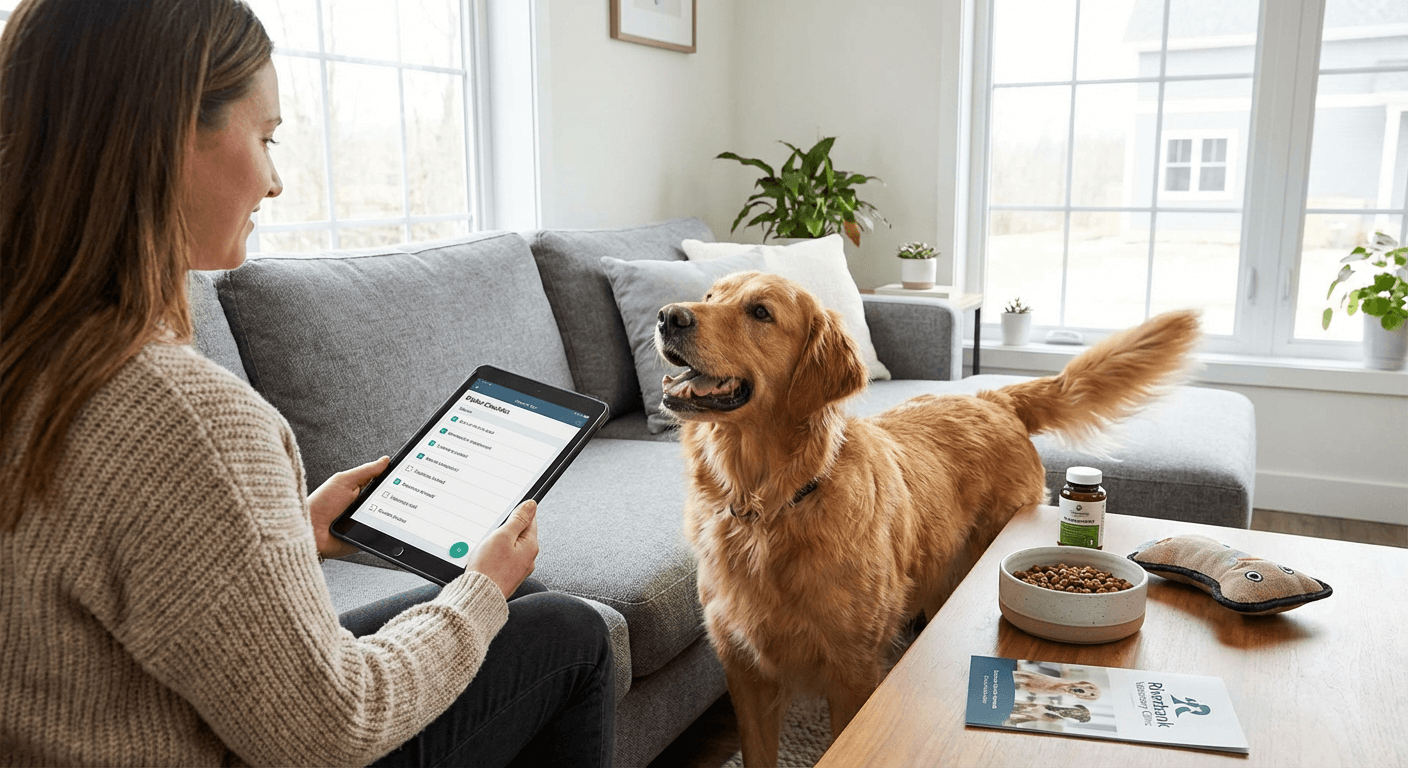
The Ultimate Pet Care Checklist for a Pawsitively Perfect 2026
Setting the Stage for a Healthy 2026: Proactive Pet Care
As we look towards 2026, it’s the perfect time to evaluate and enhance our approach to pet care. Our furry, feathered, or scaled companions bring immeasurable joy into our lives, and in return, they deserve our unwavering commitment to their health and happiness. Proactive pet care is not just about reacting when something goes wrong, but about consistently implementing strategies that prevent issues and promote overall well-being. This comprehensive guide will equip you with a checklist to ensure every aspect of your pet’s life is optimized for a truly pawsitive year.
This involves everything from their diet and exercise routines to their mental stimulation and regular veterinary check-ups. A holistic approach to pet care ensures a balanced and enriching life for your animal. By taking a few intentional steps now, you can lay the groundwork for a year filled with vitality, comfort, and companionship, strengthening the bond you share.
Holistic Wellness: Nutrition, Hydration, and Exercise
The cornerstone of any pet’s health is a well-balanced diet, sufficient hydration, and a consistent exercise regimen. These three pillars work in conjunction to support their physical and mental health, directly impacting their energy levels, weight, and even their mood. Neglecting any one of these can lead to a cascade of health issues.
Optimal Nutrition for Every Life Stage
Feeding your pet the right food is critical. Not all pet foods are created equal, and what works for one animal might not be suitable for another. Consider your pet’s age, breed, size, and any specific health conditions when selecting their diet.
Puppies and kittens require formulas rich in nutrients for growth, while senior pets benefit from foods that support joint health and manage weight. Always consult your veterinarian to determine the best dietary plan.
– Choose high-quality pet food appropriate for their life stage (puppy/kitten, adult, senior).
– Pay attention to ingredients, prioritizing whole proteins and avoiding excessive fillers.
– Measure food portions accurately to prevent overeating and obesity.
– Limit treats, ensuring they make up no more than 10% of their daily caloric intake.
– Consider supplements if recommended by your vet, such as Omega-3s for coat health or glucosamine for joints.
Hydration: The Unsung Hero of Pet Health
Clean, fresh water should always be available to your pet. Proper hydration aids in digestion, nutrient absorption, temperature regulation, and overall organ function. Dehydration can quickly become a serious health concern, especially during warmer months or with active pets.
– Provide multiple water bowls in different locations, especially in multi-pet households.
– Clean water bowls daily to prevent bacterial growth.
– Consider a pet water fountain to encourage drinking, as many pets prefer running water.
– For pets who don’t drink enough, incorporating wet food into their diet can help increase fluid intake.
Tailored Exercise for Physical and Mental Stimulation
Regular physical activity is vital for maintaining a healthy weight, building strong muscles, and preventing behavioral issues stemming from boredom or pent-up energy. The type and amount of exercise needed will vary significantly based on your pet’s species, breed, age, and individual temperament.
– Dogs: Aim for at least 30-60 minutes of moderate to vigorous exercise daily, which can include walks, runs, fetch, or dog park visits. Breed-specific needs can vary greatly, with working breeds often requiring more intense activity.
– Cats: Engage in 15-30 minutes of interactive play daily using toys that mimic prey, like feather wands or laser pointers. Provide scratching posts and climbing structures to encourage natural behaviors.
– Small Animals (e.g., rabbits, guinea pigs): Ensure they have ample space for running and exploring in a safe environment, along with tunnels and toys for enrichment.
– Birds: Allow supervised out-of-cage time in a secure room for flight and exploration, and provide a variety of perches and toys.
Remember that mental exercise is just as important as physical. Puzzle toys, training sessions, and new environments can keep your pet’s mind sharp and engaged, reducing the likelihood of destructive behaviors.
The Cornerstone of Long-Term Pet Care: Regular Veterinary Visits
Preventative veterinary care is arguably the most crucial aspect of responsible pet ownership. Just like humans, pets benefit immensely from regular check-ups that can catch potential health issues early, often before they become serious and costly problems. This proactive approach is fundamental to excellent pet care.
Annual Health Check-ups and Vaccinations
Even if your pet appears healthy, annual vet visits are non-negotiable. These appointments allow veterinarians to assess overall health, administer necessary vaccinations, and perform routine screenings. Early detection of diseases like dental issues, kidney disease, or cancer can significantly improve treatment outcomes.
– Schedule a full physical exam for your pet at least once a year, or twice a year for seniors.
– Keep all vaccinations up-to-date according to your vet’s recommendations. This protects against common and potentially fatal diseases.
– Discuss parasite prevention for fleas, ticks, heartworm, and intestinal worms. These parasites can cause serious health problems and some can even transmit diseases to humans.
– Maintain a record of your pet’s health, including vaccination dates, medications, and any observed changes in behavior or appetite. This information is invaluable during vet consultations.
Dental Health: More Than Just a Pretty Smile
Dental disease is one of the most common health problems in pets, affecting up to 80% of dogs and 70% of cats by age three. It’s not just about bad breath; untreated dental issues can lead to pain, tooth loss, and systemic health problems affecting the heart, kidneys, and liver.
– Implement a daily dental hygiene routine, such as brushing your pet’s teeth with pet-specific toothpaste.
– Provide dental chews or toys designed to help reduce plaque and tartar, but use them as supplements, not replacements for brushing.
– Discuss professional dental cleanings with your vet, which may involve anesthesia for thorough cleaning and examination below the gum line.
Understanding Emergency Protocols and Pet Insurance
Accidents and illnesses can happen unexpectedly. Being prepared for emergencies can make all the difference. Knowing your nearest emergency vet and having a plan in place is part of comprehensive pet care.
– Know the location and contact information of the closest 24-hour emergency veterinary clinic.
– Create a pet first-aid kit with essentials like bandages, antiseptic wipes, and tweezers. Ask your vet for guidance on what to include.
– Consider pet insurance to help cover unexpected veterinary expenses. Research different providers and plans to find one that fits your budget and your pet’s needs.
– Microchip your pet and keep your contact information updated. This greatly increases the chances of being reunited if your pet gets lost.
Smart Solutions for Modern Pet Care: Leveraging Technology and Tools
In today’s interconnected world, technology offers a myriad of tools to enhance pet care, making it easier to monitor their health, ensure their safety, and keep them entertained. These innovations can provide peace of mind and improve the quality of life for both pets and their owners. From automated feeders to GPS trackers, smart gadgets are transforming how we look after our animal companions.
Enhancing Daily Routines with Smart Pet Gadgets
Technology can streamline daily tasks and provide valuable insights into your pet’s habits. Smart feeders ensure consistent meal times and portion control, while pet cameras allow you to check in on your pet from anywhere.
– Smart feeders: Automate feeding schedules, dispense precise portions, and often come with apps for remote control and tracking.
– Pet cameras: Offer two-way audio, treat dispensers, and live video feeds, allowing you to interact with and monitor your pet while you’re away.
– Activity trackers: Similar to human fitness trackers, these can monitor your pet’s sleep, activity levels, and calorie burn, helping you ensure they get adequate exercise.
Comparison of Top Smart Pet Gadgets
| Product | Price | Pros | Cons | Best For |
|---|---|---|---|---|
| PetSafe Smart Feed Automatic Pet Feeder | $150 | Customizable feeding schedules, portion control, remote feeding via app. | Can be complex to set up initially, relies on Wi-Fi connection. | Owners wanting precise meal scheduling and remote feeding. |
| Furbo Dog Camera | $200 | Two-way audio, treat tossing, bark alerts, live HD video. | Higher price point, treat capacity is limited. | Owners who want to interact with their dog remotely and check in often. |
| Whistle Go Explore GPS Pet Tracker | $130 + subscription | Real-time GPS tracking, activity and health monitoring, waterproof. | Requires a monthly subscription fee, battery life varies with usage. | Active pets, escape artists, and owners prioritizing safety and health insights. |
| Petlibro Automatic Cat Feeder | $80 | Affordable, easy programming, manual feeding option, battery backup. | No remote app control, basic features compared to pricier options. | Cat owners on a budget seeking reliable automated feeding. |
Safety and Security with GPS Trackers and Smart Doors
For adventurous pets, especially dogs, GPS trackers offer invaluable peace of mind. If your pet wanders off, you can quickly locate them using your smartphone. Smart pet doors, on the other hand, can control access, allowing only your pet to enter and exit, and some even track their comings and goings.
– GPS trackers: Provide real-time location tracking, geofencing capabilities (alerts when your pet leaves a designated area), and often include activity monitoring.
– Smart pet doors: Use microchip or RFID technology to grant access only to your pet, preventing unwanted visitors while allowing your pet freedom.
While technology can significantly enhance pet care, it should always complement, not replace, direct human interaction and traditional care practices. Always ensure these devices are reliable and used safely.
Grooming, Hygiene, and Environmental Enrichment
Beyond the essentials of food and exercise, regular grooming and a stimulating environment are vital for your pet’s overall health and happiness. These aspects of pet care contribute to their physical comfort, prevent common ailments, and foster mental well-being. A clean and engaging environment directly impacts their stress levels and behavior.
The Importance of Regular Grooming
Grooming is more than just aesthetics; it’s a critical component of preventative health. Regular brushing, bathing, and nail trims can prevent skin issues, matting, and discomfort.
– Brushing: Regularly brush your pet’s coat to remove loose fur, prevent mats, distribute natural oils, and check for fleas, ticks, or skin abnormalities. The frequency depends on coat type.
– Bathing: Bathe your pet as needed with a pet-specific shampoo. Over-bathing can strip natural oils, leading to dry skin, so follow your vet or groomer’s advice.
– Nail Trimming: Keep nails trimmed to a comfortable length to prevent pain, splaying of the toes, and potential injury. Learn how to do it safely or have a professional handle it.
– Ear Cleaning: Regularly check and clean your pet’s ears, especially those with floppy ears, to prevent infections. Use a vet-approved cleaner and never insert anything deep into the ear canal.
– Eye Care: Gently wipe away any discharge from around your pet’s eyes with a damp cloth. Watch for redness, swelling, or excessive tearing, which could indicate a problem.
Creating a Stimulating and Safe Home Environment
A pet’s home environment should be safe, clean, and mentally stimulating. This means providing appropriate spaces for rest, play, and exploration, as well as minimizing hazards.
– Designated Spaces: Ensure your pet has a comfortable, quiet place to rest and sleep, like a bed, crate, or perch.
– Enrichment Toys: Provide a variety of toys that encourage different types of play (chewing, fetching, puzzle-solving). Rotate toys regularly to keep them interesting.
– Scratching and Climbing (for cats): Offer multiple scratching posts (vertical and horizontal) and cat trees to satisfy natural instincts and provide exercise.
– Safe Outdoor Access: If your pet has outdoor access, ensure the area is securely fenced and free of toxic plants or chemicals. Supervise outdoor time for added safety.
– Pet-Proofing: Remove or secure any household items that could be dangerous, such as toxic plants, cleaning supplies, medications, small objects that can be swallowed, and electrical cords.
A well-groomed and environmentally enriched pet is generally a happier and healthier pet. These daily and weekly practices contribute significantly to their overall well-being and strengthen the bond you share.
Mental Well-being and Socialization: Happy Minds, Happy Pets
The emotional and psychological health of your pet is just as vital as their physical condition. Mental stimulation, proper training, and healthy socialization are critical components of comprehensive pet care that prevent behavioral issues and foster a well-adjusted companion. Neglecting these aspects can lead to stress, anxiety, and destructive habits.
The Power of Training and Mental Engagement
Training is not just about obedience; it’s a powerful tool for mental stimulation and communication between you and your pet. It builds confidence, provides structure, and strengthens your bond.
– Consistent Training: Reinforce basic commands regularly. Consider teaching new tricks or advanced obedience for mental challenge.
– Puzzle Toys: Use food-dispensing puzzle toys to make mealtime an enriching activity, encouraging problem-solving skills.
– Scent Games: Engage your pet’s natural sniffing abilities with scent work or hide-and-seek games using treats or toys.
– New Experiences: Safely expose your pet to new sights, sounds, and environments. This helps them adapt to different situations and reduces fear.
For animals like birds, providing a variety of toys, foraging opportunities, and even teaching them simple commands or words can keep their intelligent minds active and prevent boredom, which can lead to feather plucking or other stress-related behaviors.
Healthy Socialization for a Well-Adjusted Pet
Socialization involves safely exposing your pet to various people, animals, and situations from an early age. This helps them develop appropriate social skills and reduces fear or aggression.
– Early Exposure: For puppies and kittens, early socialization (within their critical developmental window) is crucial. Enroll in puppy classes or kitten play groups.
– Supervised Interactions: Ensure all interactions with other pets and people are positive and supervised. Avoid overwhelming your pet.
– Positive Reinforcement: Reward calm and friendly behavior during social encounters. Never force an interaction if your pet shows signs of fear or stress.
– Continued Socialization: Even adult pets benefit from continued, positive social exposure to maintain their comfort with the world around them.
A well-socialized pet is generally more confident, less prone to anxiety, and easier to manage in various situations. It’s a key aspect of ensuring their long-term happiness and integration into your family and community. Remember, every pet is an individual, and their specific needs for mental stimulation and socialization may vary.
Emergency Preparedness and Safety: Being Ready for Anything
While we all hope for an uneventful year, responsible pet care includes preparing for the unexpected. Emergencies can arise in many forms, from natural disasters to sudden illnesses or injuries. Having a solid emergency plan and practicing preventive safety measures can significantly improve your pet’s chances of safety and survival. This foresight is a critical part of a comprehensive pet care strategy.
Creating a Pet Emergency Plan
Just as you would for your family, develop an emergency plan that includes your pets. This ensures they are accounted for and protected during unforeseen events.
– Emergency Contact List: Keep a list of emergency vet clinics, animal poison control hotlines, and trusted friends or family who can care for your pet if you’re unable to.
– Evacuation Kit: Prepare a “go bag” for your pet with essential supplies: food and water for 3-7 days, bowls, medications, a leash, collar with ID, carrier, blankets, and a copy of their medical records.
– Pet-Friendly Shelter: Identify pet-friendly hotels or shelters outside your immediate area in case of evacuation. Not all human shelters accept pets.
– Rescue Alert Stickers: Place a sticker on your home’s windows or doors to alert emergency responders that pets are inside.
Preventive Safety Measures Around the Home
Many common household items can pose significant risks to pets. A thorough pet-proofing of your home is an ongoing task that prevents accidents.
– Identify Toxic Substances: Know which foods (e.g., chocolate, grapes, xylitol), plants (e.g., lilies, sago palms), and household chemicals (e.g., antifreeze, rodenticides) are toxic to pets and keep them out of reach.
– Secure Medications: Store all human and pet medications securely in cabinets, out of paw’s reach.
– Electrical Cords: Cover or secure electrical cords to prevent chewing, which can lead to burns or electrocution.
– Small Objects: Keep small items that could be choked on, such as toys, coins, or batteries, away from curious pets.
– Window and Balcony Safety: Ensure screens are secure and supervise pets on balconies or near open windows to prevent falls.
Pet Identification and Responsible Travel
Proper identification is your pet’s ticket home if they ever get lost. When traveling, ensure their safety and comfort are prioritized.
– Microchipping: Ensure your pet is microchipped and that your contact information is always up-to-date with the microchip registry.
– ID Tags: Provide a collar with an ID tag displaying your current phone number and address. Consider adding a “Needs Medication” tag if applicable.
– Secure Transport: Always use a secure carrier or seatbelt harness when traveling in a car. Never allow pets to ride unrestrained in the back of an open truck.
– Travel Documents: If traveling internationally, research destination-specific pet entry requirements well in advance, which may include specific vaccinations, health certificates, or quarantine periods.
By taking these steps, you build a safety net for your beloved companion, ensuring you are prepared to protect them, no matter what challenges 2026 may bring. This commitment to their security is an indispensable part of comprehensive pet care.
Embracing a Year of Unconditional Love and Exemplary Pet Care
Embarking on a new year with your cherished companion means a renewed commitment to their health, happiness, and safety. This ultimate pet care checklist for 2026 emphasizes that responsible pet ownership is a continuous journey, encompassing everything from optimal nutrition and regular veterinary care to mental enrichment, smart tools, and emergency preparedness. By consistently applying these principles, you not only ensure a vibrant life for your pet but also deepen the incredible bond you share. Prioritizing their well-being through proactive and thoughtful pet care is the greatest gift we can give them.
Let this guide serve as your blueprint for a year filled with wagging tails, contented purrs, and joyful moments. Your pet relies on you for every aspect of their life, and by dedicating yourself to these practices, you are providing them with the best possible chance to thrive. Don’t wait; start implementing these steps today to guarantee a truly perfect year for your furry, scaly, or feathered family member.
For more insights or collaboration opportunities, visit www.agentcircle.ai.
Frequently Asked Questions (FAQ)
How often should I take my pet to the vet?
Most adult pets should have a full veterinary check-up at least once a year. Senior pets (generally those over 7 years old) or those with chronic conditions may benefit from semi-annual visits to monitor their health more closely.
What are the most common signs of a healthy pet?
A healthy pet typically has clear, bright eyes, a clean nose, healthy teeth and gums, a glossy coat, consistent energy levels, a good appetite, and regular bowel movements. Any significant deviation from these norms warrants a vet visit.
How can I tell if my pet is overweight?
You should be able to feel your pet’s ribs without pressing hard, and they should have a discernible waist when viewed from above. If you can’t feel their ribs or see a waist, your pet might be overweight. Consult your vet for an accurate assessment and dietary advice.
What type of exercise is best for my pet?
The best exercise depends on your pet’s species, breed, age, and individual health. Dogs often thrive on walks, runs, or fetch, while cats benefit from interactive play. Always tailor activity levels to your pet’s capabilities and preferences, and consult your vet for specific recommendations.
Is pet insurance worth it?
Pet insurance can be a valuable investment, especially for unexpected emergencies or costly treatments. It can provide financial peace of mind, allowing you to make medical decisions based on what’s best for your pet rather than cost. Research different plans to find one that fits your budget and needs.