
Seven Simple Steps for a Happier Healthier Pet in 2026
Optimal Nutrition: The Foundation of Pet Health
As we step into 2026, prioritizing your pet’s well-being begins with what’s in their bowl. A balanced, high-quality diet is the cornerstone of robust pet health, influencing everything from their coat’s sheen to their energy levels and immune system strength. Understanding your pet’s specific dietary needs is crucial for their long-term vitality.
Many pet owners underestimate the impact of nutrition, often opting for convenience over quality. However, investing time in researching and selecting appropriate food can prevent numerous health issues down the line, saving both stress and veterinary costs.
Understanding Your Pet’s Nutritional Needs
Just like humans, pets have varying dietary requirements based on their age, breed, size, activity level, and any existing health conditions. A growing puppy needs different nutrients than a senior dog, and an active cat will require more calories than a sedentary one.
- Age-Specific Formulas: Look for foods explicitly designed for puppies/kittens, adult pets, or senior animals. These formulas are tailored to support different life stages.
- Breed-Specific Considerations: Some breeds are prone to certain health issues (e.g., large breeds with joint problems) that can be mitigated with specific nutritional support.
- Ingredient Quality: Prioritize whole, identifiable ingredients. The first few ingredients should be a named meat source (e.g., chicken, lamb), not vague by-products or excessive fillers.
- Avoid Harmful Additives: Steer clear of artificial colors, flavors, and preservatives, which can often contribute to allergies or digestive upset.
Consulting with your veterinarian can provide personalized guidance on the best dietary plan for your furry friend, ensuring optimal pet health. They can help navigate the myriad of options and advise on any necessary supplements.
Hydration: A Non-Negotiable Component
Water is essential for every bodily function, from digestion and nutrient absorption to temperature regulation. Proper hydration is as critical as diet for maintaining peak pet health. Dehydration can lead to serious health complications quickly.
Ensure your pet always has access to fresh, clean water. This means multiple water bowls in different locations, especially in multi-pet households. Consider water fountains, which can encourage some pets to drink more due to the appealing movement of the water.
- Cleanliness is Key: Wash water bowls daily to prevent bacterial growth and slime build-up, which can deter pets from drinking.
- Monitor Intake: Pay attention to how much your pet is drinking. A sudden increase or decrease could signal an underlying health issue.
- Travel Hydration: Always carry water for your pet when traveling, even for short trips, particularly during warmer months.
Active Lifestyle: Exercise and Mental Stimulation
Physical activity and mental engagement are vital for a happy and healthy pet. Regular exercise helps maintain a healthy weight, strengthens muscles and joints, and improves cardiovascular health. Beyond the physical, it also provides crucial mental stimulation, reducing boredom and destructive behaviors.
Lack of activity can lead to obesity, lethargy, and behavioral problems such as excessive barking, chewing, or anxiety. Tailoring an exercise routine to your pet’s needs is key for their overall pet health and happiness.
Tailoring Exercise to Your Pet
The type and intensity of exercise should match your pet’s breed, age, and individual temperament. A high-energy Border Collie needs more rigorous activity than a laid-back Bulldog, for instance. Senior pets may benefit from shorter, more frequent walks or gentle playtime.
- Dogs: Daily walks, runs, fetch, swimming, or visits to a dog park are excellent options. Aim for at least 30-60 minutes of moderate activity per day, split into multiple sessions.
- Cats: Engage in interactive play with toys that mimic prey, like feather wands or laser pointers. Cat trees and climbing structures also provide vertical exercise opportunities.
- Other Pets: Small animals like rabbits or ferrets also need space to run and play safely, with appropriate toys and tunnels.
Varying your pet’s routine keeps things interesting and prevents them from getting bored. Explore new walking routes, introduce new toys, or try different forms of play to keep them engaged.
The Power of Mental Stimulation
A physically tired pet is good, but a mentally stimulated pet is even better. Mental exercise is just as important as physical exercise for a well-adjusted companion. It helps prevent boredom, reduces anxiety, and strengthens your bond.
Puzzle toys, training sessions, and interactive games are excellent ways to challenge your pet’s mind. Even simple activities like ‘find the treat’ can provide significant mental enrichment.
- Puzzle Feeders: These make mealtime an engaging challenge, slowing down eating and stimulating problem-solving skills.
- Training Sessions: Reinforce basic commands or teach new tricks. Even short, consistent training sessions can be mentally exhausting for pets.
- Scent Games: Hide treats around the house and encourage your pet to use their nose to find them. This taps into their natural instincts.
- Enrichment Toys: Toys that dispense treats or require manipulation to get a reward can keep pets occupied for extended periods.
Incorporating both physical and mental activities into your pet’s daily life contributes significantly to their overall pet health and contentment in 2026.
Proactive Pet Health: Regular Veterinary Care and Preventative Measures
Preventative care is paramount in ensuring your pet leads a long, healthy life. Regular check-ups, vaccinations, and parasite control are not just reactive measures but proactive steps that safeguard your pet’s well-being. These visits allow veterinarians to catch potential issues early, often before they become serious or costly problems.
Establishing a strong relationship with your veterinarian is crucial. They are your best resource for personalized advice and care, helping you navigate every stage of your pet’s life with confidence.
The Importance of Annual Check-ups
Even if your pet seems perfectly healthy, annual veterinary visits are essential. Pets age much faster than humans, and a lot can change in a year. These check-ups include a thorough physical examination, dental assessment, and discussions about diet, exercise, and any behavioral changes you’ve observed.
- Early Detection: Many diseases, such as kidney disease, diabetes, and certain cancers, show no obvious symptoms in their early stages but can be detected through routine blood work and examinations.
- Vaccination Updates: Annual visits ensure your pet’s vaccinations are up-to-date, protecting them from common and potentially life-threatening diseases.
- Weight Management: Veterinarians can help assess your pet’s ideal weight and provide guidance on diet and exercise to prevent obesity, a major contributor to many health issues.
These routine visits are a cornerstone of maintaining optimal pet health and can significantly extend your pet’s lifespan and quality of life.
Comprehensive Parasite Control
Fleas, ticks, heartworms, and intestinal parasites are more than just nuisances; they can transmit serious diseases and cause significant discomfort and health problems for your pet. A year-round parasite control program is a non-negotiable aspect of responsible pet ownership.
Discuss with your veterinarian the best parasite prevention products for your pet, considering your local climate, your pet’s lifestyle, and any potential sensitivities.
- Fleas and Ticks: These external parasites can cause skin irritations, allergies, and transmit diseases like Lyme disease and Rocky Mountain spotted fever. Monthly topical or oral medications are highly effective.
- Heartworms: Transmitted by mosquitoes, heartworms can cause severe damage to the heart, lungs, and blood vessels. Prevention is much safer and more cost-effective than treatment.
- Intestinal Parasites: Worms like roundworms, hookworms, and tapeworms can cause digestive issues, nutrient deficiencies, and can even be transmitted to humans. Regular deworming and fecal exams are important.
Consistent preventative measures against parasites are critical for safeguarding your pet’s health and preventing potential zoonotic diseases that could affect your family.
Smart Pet Care: Grooming, Training, and Technology for a Happier Pet
Beyond the basics of food and exercise, a holistic approach to pet care in 2026 includes regular grooming, consistent training, and leveraging modern technology. These elements contribute significantly to both your pet’s physical comfort and emotional well-being, fostering a stronger bond between you.
Grooming keeps them clean and comfortable, training builds good behavior, and smart gadgets can offer convenience and peace of mind, all contributing to superior pet health.
Grooming for Comfort and Health
Regular grooming is more than just aesthetics; it’s a vital part of your pet’s health routine. Brushing, bathing, nail trims, and dental care all play a role in preventing various health issues and keeping your pet comfortable.
- Brushing: Helps remove loose fur, prevent mats, distribute natural oils, and allows you to check for skin issues, lumps, or parasites.
- Bathing: Keeps their coat clean and healthy. Frequency depends on breed and lifestyle, but avoid over-bathing which can dry out skin.
- Nail Trims: Overly long nails can cause discomfort, lead to splayed paws, or even infection. Regular trimming is essential.
- Dental Care: Dental disease is common in pets and can lead to serious systemic health problems. Regular brushing, dental chews, and professional cleanings are crucial.
Start grooming routines early in your pet’s life to accustom them to the process. Make it a positive experience with treats and praise.
Consistent Training and Socialization
A well-behaved pet is a happier pet, and a joy to live with. Training provides mental stimulation, builds confidence, and ensures your pet understands boundaries, making them safer in various environments. Socialization teaches them to interact appropriately with other animals and people.
Positive reinforcement methods are most effective, building trust and a stronger bond. Even adult pets can learn new tricks and behaviors.
- Basic Commands: Sit, stay, come, and leash manners are fundamental for safety and control.
- Problem Prevention: Address behaviors like excessive barking, jumping, or chewing proactively through consistent training.
- Early Socialization: Expose puppies and kittens to various sights, sounds, people, and other vaccinated animals in a controlled, positive way to prevent fear and aggression later on.
- Continued Learning: Enroll in advanced classes or teach new tricks to keep your pet mentally engaged throughout their life.
Training and socialization are ongoing processes that contribute significantly to your pet’s mental pet health and their ability to integrate happily into your family and community.
Leveraging Technology for Enhanced Pet Health
The world of pet care has been revolutionized by technology. Smart gadgets offer innovative ways to monitor your pet’s activity, manage their feeding, and even communicate with them when you’re away. These tools provide peace of mind and can help you stay on top of your pet health goals.
From activity trackers to automatic feeders, these devices can complement traditional care practices, making pet ownership more convenient and informed.
Comparison of Top Smart Pet Gadgets for 2026
| Product | Price | Pros | Cons | Best For |
|---|---|---|---|---|
| Whistle Go Explore GPS Tracker | $129 + subscription | GPS tracking, activity monitoring, behavior insights, long battery life. | Requires a monthly subscription for full features. | Active pets, escape artists, health-conscious owners. |
| Petcube Bites 2 Lite Treat Camera | $199 | HD camera with night vision, two-way audio, treat dispenser, vet chat. | Treat dispensing can be loud, occasional Wi-Fi connectivity issues. | Owners wanting to interact with pets remotely, anxiety management. |
| SureFeed Microchip Pet Feeder | $150 | Ensures only designated pet eats specific food, useful for multi-pet homes. | Can be slower for pets to get used to, battery-operated. | Multi-pet households, pets on prescription diets, weight management. |
| Wagz Serve Smart Feeder | $299 | Automatic portion control, fresh food delivery, remote feeding, activity tracking. | Higher price point, setup can be complex for some users. | Owners focused on precise nutrition and portion control, busy professionals. |
While technology can be a fantastic aid, remember that it should enhance, not replace, direct interaction and care. The best pet health strategy always includes hands-on love and attention.
Creating a Safe and Enriching Environment
A pet’s environment significantly impacts their happiness and health. Providing a safe, stimulating, and comfortable home prevents accidents, reduces stress, and promotes overall well-being. This extends to both indoor and outdoor spaces your pet inhabits.
Thoughtful preparation of your home and yard creates a sanctuary where your pet can thrive, contributing positively to their pet health and peace of mind.
Your Ultimate Roadmap to Embracing a Furry Friend: Navigating the Pet Adoption Expedition
Pet-Proofing Your Home
Just like child-proofing, pet-proofing is essential to prevent accidents and ensure your pet’s safety. Curious pets can get into surprising trouble, often with dangerous consequences.
- Hazardous Substances: Store all medications, cleaning supplies, toxic plants, and human foods (especially chocolate, grapes, onions) out of reach.
- Small Objects: Keep small items that could be choked on or ingested (e.g., rubber bands, hair ties, coins) away from pets.
- Electrical Cords: Secure or cover electrical cords to prevent chewing, which can lead to electrical shock or burns.
- Secure Windows and Doors: Ensure all windows, screens, and doors are secure to prevent escapes or falls.
Regularly survey your home from a pet’s perspective to identify and mitigate potential dangers. This proactive approach is a critical part of maintaining good pet health.
Comfort and Retreat Spaces
Every pet needs a designated space where they feel safe, comfortable, and can retreat when needed. This could be a cozy bed, a crate, a cat tree, or a quiet corner of the house.
- Comfortable Bedding: Provide soft, supportive bedding appropriate for their size and sleeping habits. Consider orthopedic beds for older pets.
- Crates: If using a crate, ensure it’s sized correctly and introduced positively as a den, not a punishment.
- Quiet Zones: Designate areas where your pet can escape from household hustle and bustle, especially during busy times or if you have visitors.
- Vertical Space for Cats: Cats appreciate vertical territory, so cat trees, shelves, or window perches can significantly enhance their environment.
A secure and comfortable environment reduces stress, promotes relaxation, and contributes directly to your pet’s emotional and physical pet health.
The Power of Connection: Bonding and Affection
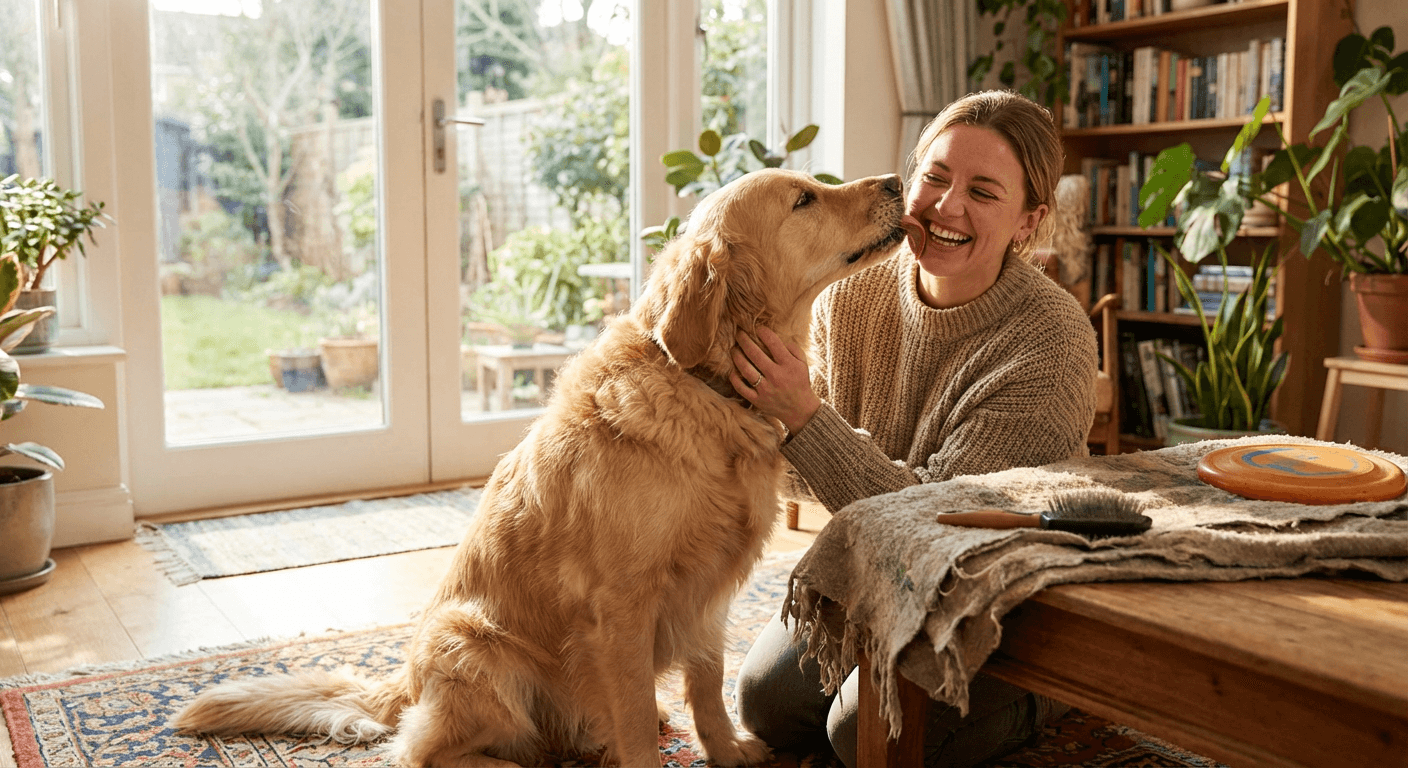
Beyond all the physical care, one of the most significant contributors to a pet’s happiness and overall pet health is the bond they share with their human family. Affection, interaction, and quality time spent together strengthen this bond, making pets feel loved, secure, and understood.
This emotional connection isn’t just beneficial for your pet; it also enriches your life, providing companionship, joy, and often a sense of purpose.
Daily Interactions and Affection
Regular, positive interactions are crucial for your pet’s emotional well-being. This doesn’t always mean elaborate play sessions; often, it’s the simple moments that count the most.
- Petting and Cuddling: Spend time petting, stroking, and cuddling your pet in ways they enjoy. This releases oxytocin in both of you, strengthening your bond.
- Talking to Your Pet: Even if they don’t understand every word, pets respond to the tone of your voice. Talking to them provides comfort and reinforces your presence.
- Eye Contact: Gentle, soft eye contact can communicate affection and trust between you and your pet.
- Shared Activities: Include your pet in family activities, whether it’s watching TV, gardening, or just relaxing together.
These daily doses of affection help reduce stress and anxiety in pets, contributing to a stable emotional state and better overall pet health.
Understanding Pet Body Language
Learning to read your pet’s body language is fundamental to a strong bond and effective communication. Pets communicate primarily through their posture, facial expressions, and vocalizations.
- Dogs: A relaxed dog might have a loose body, soft eyes, and a gently wagging tail. Signs of stress can include lip licking, yawning, tucked tail, or a stiff posture.
- Cats: A happy cat might purr, rub against you, or have a relaxed posture. Flattened ears, a thrashing tail, or hissing indicate stress or agitation.
- Subtle Cues: Pay attention to subtle cues like ear position, tail movement, and even changes in breathing patterns.
By understanding what your pet is trying to tell you, you can respond appropriately, build trust, and address their needs more effectively, further enhancing their pet health and happiness.
Conclusion
As we look to 2026, ensuring a happier, healthier life for our beloved pets is a journey built on a foundation of consistent care, attention, and love. By focusing on optimal nutrition, engaging exercise and mental stimulation, proactive veterinary care, diligent grooming, consistent training, and a strong emotional bond, you are providing the best possible environment for your pet to thrive.
Remember that each of these seven steps — from the food in their bowl to the cuddles on the couch — contributes to a holistic approach to pet health. Small, consistent efforts in each area add up to a significant positive impact, fostering a life filled with joy, vitality, and companionship for years to come. Your commitment to their well-being ensures they remain a vibrant and cherished part of your family.
Frequently Asked Questions (FAQ)
How often should I take my pet to the vet?
Most adult pets should have a veterinary check-up at least once a year. Puppies, kittens, and senior pets may require more frequent visits, as recommended by your veterinarian, to monitor growth, vaccination schedules, or age-related health changes.
What are the signs of a healthy pet?
A healthy pet typically has bright, clear eyes, clean ears, a shiny coat, healthy teeth and gums, a good appetite, consistent energy levels, and a normal temperament. Any significant changes in these areas could indicate a health issue.
How much exercise does my pet need daily?
The amount of exercise varies greatly depending on your pet’s breed, age, and energy level. High-energy dogs might need 60-90 minutes of vigorous activity, while smaller or older pets might be content with 20-30 minutes of gentle walking. Cats benefit from 10-15 minute interactive play sessions multiple times a day.
Are pet health insurance plans worth it?
Pet health insurance can be a valuable investment, especially for unexpected accidents or illnesses. It can help manage the costs of emergency care, surgeries, and chronic conditions. The value often depends on your pet’s breed, age, and your financial comfort level with potential large veterinary bills.
How can I tell if my pet is in pain?
Pets often hide pain, but common signs include changes in behavior (lethargy, aggression, withdrawal), limping, reluctance to move, excessive licking of a specific area, changes in appetite or thirst, vocalizing (whining, crying), or changes in breathing patterns. If you suspect your pet is in pain, consult your veterinarian immediately.
References and Further Reading
- American Veterinary Medical Association (AVMA) – Nutrition and Weight Management
- ASPCA – Exercise for Dogs
- Centers for Disease Control and Prevention (CDC) – Parasites in Animals
- The Humane Society of the United States – Positive Reinforcement Training
- American Kennel Club (AKC) – Dental Care for Dogs