Terramed Acquires Animal Hospital Propels Pet Care Growth
Terramed Real Estate Solutions Acquires Veterinary Property in Central Pennsylvania: A Deep Dive into the Evolving Pet Care Landscape
The pet care industry is experiencing unprecedented growth, driven by an increasing humanization of pets, advancements in veterinary medicine, and a growing consumer willingness to invest in their companions’ health and well-being. This robust expansion isn’t just evident in new products or services; it’s also reflected in significant real estate developments that underpin the delivery of quality animal care. A prime example of this trend is the recent announcement that Terramed Real Estate Solutions, a prominent real estate group with a specialized focus on veterinary, ophthalmology, and fertility properties, has successfully completed the $1,927,500 acquisition of the location occupied by the Animal Hospital of Dauphin in Central Pennsylvania. This strategic investment is more than just a real estate transaction; it’s a testament to the surging demand within the veterinary sector and signals a broader trend of institutional investment shaping the future of pet health infrastructure.
Key Takeaways
- The pet care industry is experiencing significant growth, leading to substantial real estate investment in veterinary properties.
- Terramed Real Estate Solutions’ $1,927,500 acquisition of the Animal Hospital of Dauphin property highlights the increasing recognition of veterinary practices as stable, growing assets.
- This strategic investment reflects a broader trend of institutional capital flowing into the pet health infrastructure.
- Such acquisitions provide crucial stability and resources, enabling veterinary practices to invest in facility upgrades, technology, and staff, thereby enhancing patient care.
- The humanization of pets, advancements in veterinary medicine, and a focus on preventative care are key drivers behind the industry’s boom.
Table of Contents
-
- Terramed Real Estate Solutions Acquires Veterinary Property in Central Pennsylvania
- The Foundation of Care: Why Veterinary Real Estate Matters
- The Broader Pet Industry Boom: Contextualizing Investment
- Enhancing Pet Health and Wellness Through Strategic Investment
- Connecting Major Pet-Industry Developments to Practical Benefits
- The Evolution of Veterinary Care: Trends and Advancements Supported by Investment
- Frequently Asked Questions
- Conclusion
Terramed Real Estate Solutions Acquires Veterinary Property in Central Pennsylvania
This acquisition by Terramed Real Estate Solutions underscores a critical dynamic currently at play in the pet care market: the increasing recognition of veterinary practices as stable, growing assets worthy of significant investment. For pet owners, veterinarians, trainers, pet product sellers, breeders, and general animal lovers alike, understanding these underlying economic shifts is crucial. It helps us appreciate how financial movements in the real estate sector directly impact the availability, quality, and accessibility of the care our beloved animals receive.
The Animal Hospital of Dauphin, now operating under Terramed’s ownership of the physical property, represents a vital point of care for pets in its community. Veterinary hospitals are not just buildings; they are hubs of advanced medical science, compassionate care, and community support. The continued operation and potential future enhancements of such facilities are directly influenced by the stability and strategic vision of their property owners and operators. When a specialized real estate firm like Terramed invests in a veterinary property, it often indicates a long-term belief in the veterinary sector’s sustainability and growth trajectory. This confidence, in turn, can contribute to facility upgrades, technological advancements, and an improved environment for both pets and the dedicated professionals who care for them.
The Foundation of Care: Why Veterinary Real Estate Matters
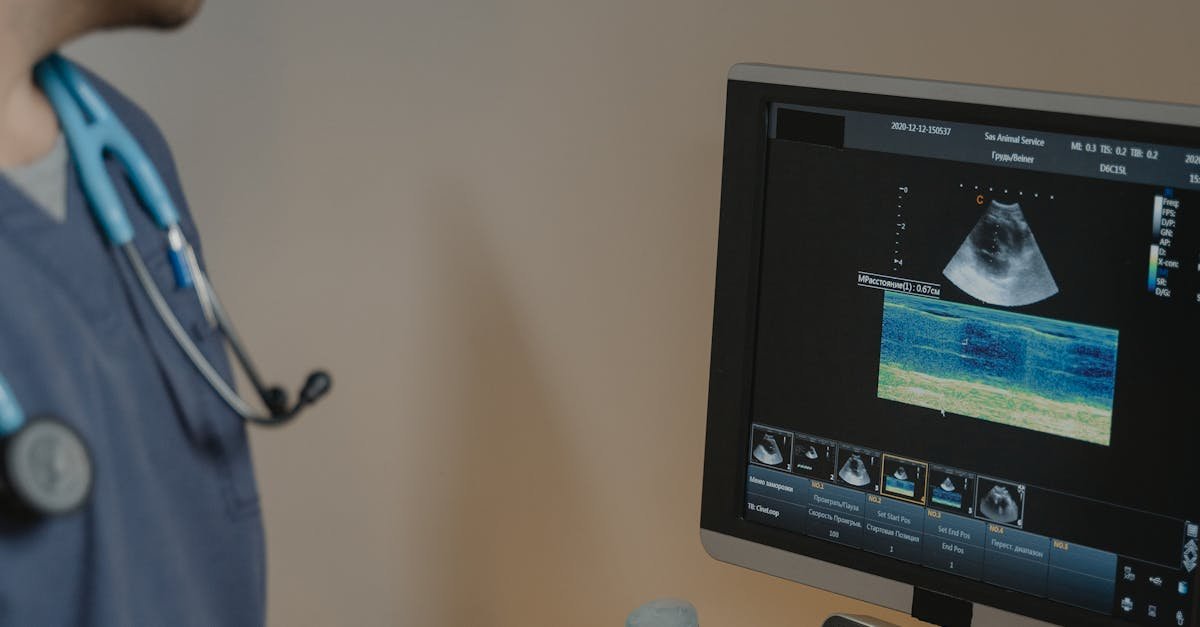
At first glance, a real estate acquisition might seem far removed from the daily concerns of pet owners or the clinical work of veterinarians. However, the physical infrastructure of veterinary care plays an indispensable role in everything from routine check-ups to life-saving surgeries. Modern veterinary medicine requires specialized facilities: sterile operating rooms, advanced diagnostic imaging suites (X-ray, ultrasound, MRI), dedicated recovery areas, isolation wards for infectious patients, and comfortable waiting areas for anxious pet parents. These spaces are expensive to build, maintain, and upgrade.
The influx of capital from real estate specialists like Terramed can provide the stability and resources necessary for veterinary practices to thrive. By acquiring the property, these firms often enter into long-term lease agreements with the existing veterinary practice. This arrangement can free up capital for practice owners, allowing them to reinvest in their business—whether through purchasing new equipment, hiring additional staff, expanding services, or professional development for their team. In essence, a strong real estate foundation enables veterinary teams to focus on what they do best: providing exceptional animal care.
Expert Take:
“The veterinary real estate market is booming because investors recognize the pet industry’s incredible resilience and growth. Acquisitions like Terramed’s provide essential capital stability for practices, allowing veterinarians to focus on patient care and invest in the latest medical technologies rather than managing property assets. This ultimately benefits the pets and their families through enhanced service delivery.”
— Dr. Eleanor Vance, Veterinary Industry Analyst and Consultant
The Broader Pet Industry Boom: Contextualizing Investment
The Terramed acquisition is not an isolated incident but rather a symptom of a larger, flourishing pet industry. Over the past decade, pet ownership has surged, and the amount owners spend on their pets has steadily increased. This growth is fueled by several factors:
- Humanization of Pets: Pets are increasingly viewed as integral family members, leading owners to prioritize their health and happiness with the same diligence they apply to human family members.
- Advances in Veterinary Medicine: Just like human medicine, veterinary science has made remarkable strides. New treatments, surgical techniques, diagnostic tools, and preventative care options are constantly emerging, extending and improving the lives of pets.
- Preventative Care Focus: There’s a growing awareness among pet owners about the importance of preventative care, from regular vaccinations and parasite control to dental care and nutritional counseling, leading to more frequent veterinary visits.
- Specialized Services: Demand for specialized veterinary services—such as oncology, cardiology, dermatology, and behavioral therapy—is on the rise, necessitating state-of-the-art facilities and highly trained specialists.
This robust demand naturally attracts investment across the entire pet ecosystem, from pet food and product manufacturers to technology developers and, significantly, the real estate sector that houses veterinary practices.
Enhancing Pet Health and Wellness Through Strategic Investment
How do real estate transactions like Terramed’s directly translate into improved pet health, behavior, grooming, training efficiency, and overall quality of life? The connection, while indirect, is profound.
- Improved Facilities and Technology: When a veterinary practice benefits from stable property ownership, it can invest more confidently in facility upgrades. This might mean larger, more comfortable examination rooms, advanced surgical suites with cutting-edge monitoring equipment, digital radiography, ultrasound, or even MRI capabilities. These technologies allow for more accurate diagnoses, less invasive procedures, and more effective treatments, directly improving pet health outcomes.
- Attracting and Retaining Top Talent: Modern, well-equipped facilities create a more attractive working environment for veterinarians, veterinary technicians, and support staff. In a competitive job market, this can be crucial for attracting and retaining top-tier professionals who are committed to providing excellent care. A stable practice, backed by solid infrastructure, also allows for investment in staff training and continuing education, ensuring the team stays abreast of the latest medical advancements.
- Expanded Services and Accessibility: With enhanced financial stability derived from property solutions, veterinary practices can explore expanding their service offerings. This could include bringing in specialists for consultations, offering a wider range of preventative care programs, developing robust behavioral therapy programs, or even providing advanced grooming services tailored to specific health needs. Improved infrastructure can also support longer operating hours or the establishment of emergency services, increasing accessibility for pet owners.
- Enhanced Client Experience: Beyond clinical care, modern veterinary facilities prioritize the comfort and convenience of pet owners. Thoughtfully designed waiting areas, separate entrances for cats and dogs, ample parking, and efficient check-in/check-out processes contribute to a less stressful experience for both pets and their human companions. This positive experience encourages regular visits, leading to better long-term health management.
Expert Take:
“A well-designed, modern veterinary hospital isn’t just about aesthetics; it’s about functionality, safety, and creating an optimal healing environment. These real estate investments allow clinics to move beyond basic care and truly embrace advanced diagnostics, specialized treatments, and comprehensive wellness programs. It’s an investment in the entire pet care continuum.”
— Dr. Sarah Jennings, Lead Veterinarian at a Multi-Specialty Hospital
Connecting Major Pet-Industry Developments to Practical Benefits
The Terramed acquisition, as a microcosm of broader pet-industry developments, offers several practical benefits for various stakeholders:
- For Pet Owners: The ultimate beneficiaries are pets and their owners. Stable, well-resourced veterinary practices mean better access to high-quality medical care, a broader range of services, and a more comfortable experience during potentially stressful vet visits. It ensures that the Animal Hospital of Dauphin, and similar facilities, can continue to be a trusted resource for their community.
- For Veterinarians and Staff: This type of investment provides a stable operational environment, potentially reducing administrative burdens related to property management. It allows practices to invest in updated equipment, continuing education, and a comfortable working environment, fostering job satisfaction and professional growth. This helps combat burnout and supports the delivery of high-quality care.
- For Pet Product Sellers and Breeders: A thriving veterinary sector, supported by robust infrastructure, means more pets are receiving regular care. Healthier pets mean a greater demand for premium pet foods, specialized grooming products, training aids, and other wellness-focused items. Breeders also benefit from readily available, advanced veterinary services for their breeding animals and litters, ensuring healthier generations of pets.
- For Pet-Related Businesses (e.g., Trainers, Groomers): These businesses often collaborate closely with veterinary practices. Strong, well-funded vet clinics can become referral sources, partners in holistic pet care plans (e.g., vet-recommended trainers for behavioral issues, or specialized groomers for pets with skin conditions), and a general uplift to the local pet care ecosystem.
Compare Pet Insurance Plans: Find the Best Coverage for Your Pets
The Evolution of Veterinary Care: Trends and Advancements Supported by Investment
The modern veterinary landscape is constantly evolving. Investment in physical properties like the one acquired by Terramed plays a crucial role in enabling practices to adopt and integrate these new trends and advancements.
- Telemedicine and Digital Health: While telemedicine consultations can occur remotely, physical clinics remain essential for diagnostics, procedures, and in-person examinations. A stable property base allows clinics to invest in the necessary IT infrastructure to seamlessly integrate digital health platforms into their practice management systems.
- Preventative and Wellness Programs: The emphasis on preventative care is stronger than ever. Facilities are increasingly designed to support wellness visits, nutritional counseling, and early disease detection programs. This might include dedicated consultation rooms, educational materials, and even spaces for group classes on topics like puppy socialization or senior pet care.
- Fear-Free Initiatives: Many veterinary hospitals are adopting “Fear-Free” practices, aiming to reduce stress and anxiety for pets during vet visits. This involves specific building design elements (e.g., separate waiting areas, calming pheromone diffusers, non-slip flooring), and staff training. Investment in facilities can facilitate these important, pet-centric improvements.
- Specialized Rehabilitation and Therapy: Pet physical therapy, acupuncture, and hydrotherapy are growing in popularity. These services require specialized equipment and dedicated spaces, which are more feasible in a practice with secure and stable property ownership.
Expert Take:
“The trend towards more holistic and preventative pet care demands facilities that are adaptable and well-equipped. When real estate specialists invest, they’re not just buying a building; they’re investing in the future capacity of veterinary medicine to incorporate innovations like advanced rehab therapies, specialized behavior consulting rooms, and cutting-edge surgical suites. This is how the entire ecosystem progresses.”
— Mr. David Chen, Pet Industry Consultant focusing on Innovation and Operations
Frequently Asked Questions
Q: What is the significance of Terramed Real Estate Solutions’ acquisition of the Animal Hospital of Dauphin?
A: Terramed’s acquisition of the Animal Hospital of Dauphin’s property for $1,927,500 highlights the increasing institutional investment in the booming pet care industry. It signifies a recognition of veterinary practices as stable, growing assets and underscores a long-term belief in the sector’s sustainability and growth trajectory.
Q: How do real estate acquisitions in the veterinary sector benefit pet owners?
A: These acquisitions provide stable property ownership, allowing practices to reinvest capital into facility upgrades, advanced technology, and staff development. This ultimately leads to improved facilities, more accurate diagnoses, expanded services, better accessibility, and an enhanced overall experience for pets and their owners.
Q: What factors are driving the growth in the pet care industry?
A: The growth is fueled by the humanization of pets (viewing them as family members), significant advancements in veterinary medicine, a strong focus on preventative care, and rising demand for specialized veterinary services.
Q: How does stable property ownership impact veterinary practices and their services?
A: Stable property ownership frees up capital for practice owners, allowing them to focus on patient care rather than property management. This enables investment in new equipment, hiring additional staff, expanding service offerings like specialized therapies, and improving the working environment for veterinary professionals, leading to higher quality care.
Q: What new trends in veterinary care are supported by strategic real estate investment?
A: Strategic investments support the integration of telemedicine and digital health, the expansion of preventative and wellness programs, the adoption of Fear-Free initiatives for reduced pet stress, and the development of specialized rehabilitation and therapy services, all requiring modern, adaptable facilities.
Fact or Fiction: Can Dogs Have PTSD?
Conclusion
The acquisition by Terramed Real Estate Solutions is a clear indicator that the future of veterinary care is closely intertwined with strategic real estate investment. As the pet industry continues its upward trajectory, we can anticipate more such transactions, leading to a consolidation of property ownership and potentially standardized facility improvements across various locations.
For pet owners, this trend signifies a commitment to ensuring accessible and high-quality veterinary services. It means that whether you’re seeking routine vaccinations, emergency care, or specialized treatments for your furry, feathered, or scaled family member, the underlying infrastructure will be robust enough to support these needs.
For veterinarians and other pet care professionals, these developments bring both opportunities and challenges. While property solutions can free up capital for practice growth and technological upgrades, it also means adapting to evolving ownership structures and potentially new operational dynamics. However, the overarching benefit lies in the ability to deliver better care, equipped with better tools, in better environments.
Ultimately, the goal of every stakeholder in the pet industry, from real estate investors to front-line veterinary technicians, is to enhance the health, happiness, and longevity of pets. The strategic acquisition of veterinary properties like the Animal Hospital of Dauphin by Terramed Real Estate Solutions is a fundamental, albeit often unseen, step towards achieving that collective goal. It reinforces the foundation upon which advanced pet care is built, ensuring that our beloved companions continue to receive the best possible attention for years to come.
[hurrytimer id=”2117″]