10 Essential Facts About Rottweiler Puppies: Training, Care & Health Tips You Must Know
Introduction: Why Rottweiler Puppies Are So Loved
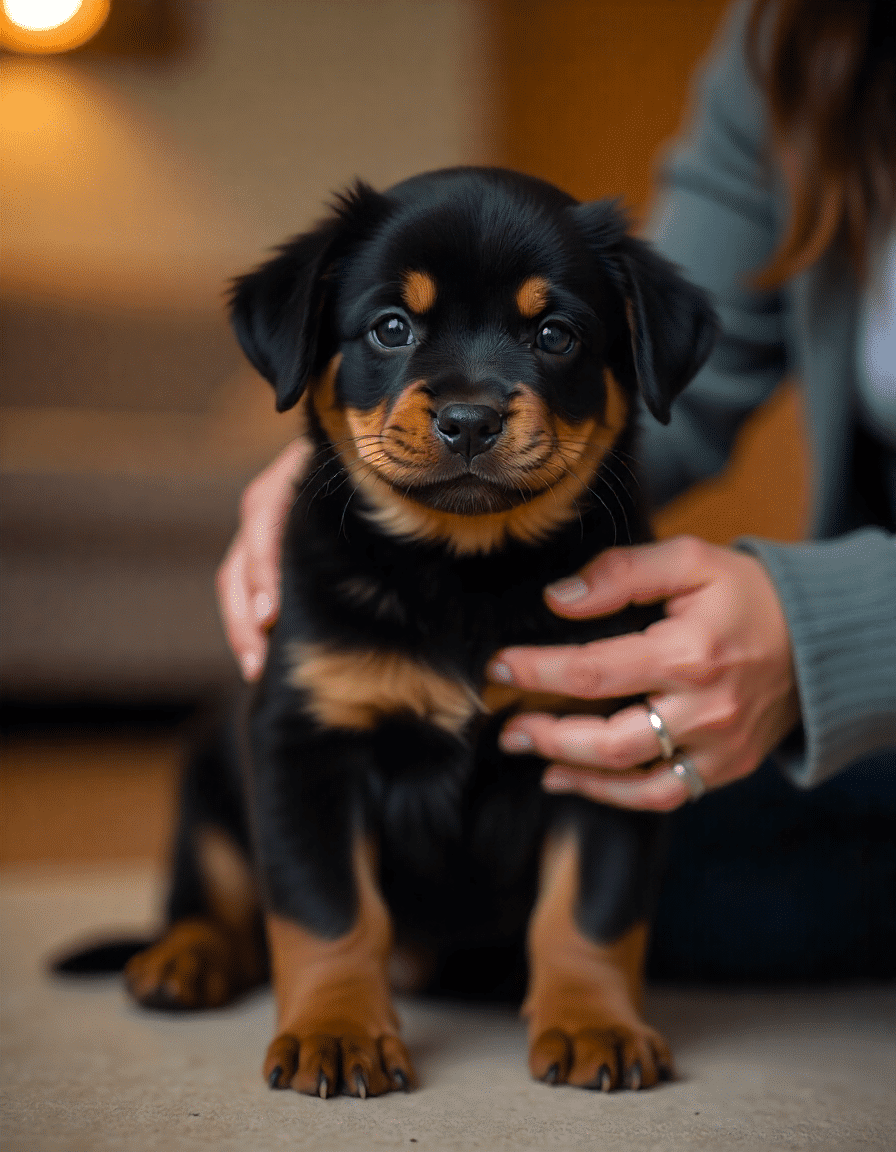
Rottweiler puppies are among the most beloved dog breeds in the world — and for good reason. With their expressive eyes, loyal nature, and strong yet affectionate personalities, these pups capture hearts everywhere. Whether you’re looking for a loyal family protector or a cuddly companion, Rottweiler puppies can fill both roles with grace and devotion.
These intelligent dogs are known for their courage, obedience, and deep bond with their owners. But raising a Rottweiler puppy the right way requires understanding their unique needs, temperament, and history. Let’s dive deep into everything you need to know before bringing home one of these remarkable pups.
Origin and History of the Rottweiler Breed
From Roman Drovers to Modern Guardians
The Rottweiler’s story begins thousands of years ago during the Roman Empire. Soldiers used these powerful dogs to herd cattle and protect their camps. Over time, these working dogs settled in the German town of Rottweil — hence the name Rottweiler Metzgerhund or “Butcher’s Dog of Rottweil.”
Their strength and intelligence made them excellent herding and guard dogs. Even today, these instincts remain strong in Rottweiler puppies, who show early signs of loyalty and protectiveness.
The Role of Rottweilers in Modern Society
In modern times, Rottweilers serve as police dogs, search-and-rescue partners, and loyal family companions. Their adaptability and intelligence make them ideal for families who can provide structure and affection.
Physical Characteristics of Rottweiler Puppies
Size, Weight, and Growth Stages
Rottweiler puppies are medium-to-large breeds that grow rapidly in their first year.
- At 8 weeks: 10–15 lbs
- At 6 months: 50–70 lbs
- Adults: Males weigh 95–135 lbs, females 80–100 lbs
Growth can vary, but providing balanced nutrition and exercise is crucial for strong bone and muscle development.
Coat Colors, Patterns, and Grooming Needs
Rottweiler puppies typically have short, dense, black coats with rich mahogany markings on their cheeks, chest, and legs. Their double coat helps protect them from cold weather. Grooming is simple — a weekly brush removes loose hair and keeps their coat glossy.
Personality and Temperament of Rottweiler Puppies
Loyal, Confident, and Protective Nature
Rottweilers are famously loyal, brave, and intelligent. They form strong bonds with their families and naturally act as protectors. Despite their tough exterior, they’re gentle and affectionate, especially when socialized early.
Socialization and Early Behavior Development
Early exposure to people, pets, and different environments helps Rottweiler puppies grow into calm, well-mannered adults. Enroll your puppy in puppy kindergarten classes by 8–10 weeks old for best results.
How to Choose the Right Rottweiler Puppy
Choosing a Reputable Breeder
Always buy from ethical breeders who perform health tests for hip dysplasia, elbow issues, and cardiac conditions. Visit the breeder’s facility, meet the puppy’s parents, and request health certificates.
Recognizing Healthy Puppies and Red Flags
A healthy Rottweiler puppy will have bright eyes, a shiny coat, and playful energy. Avoid breeders who can’t provide health records or who keep puppies in poor conditions.
Training Rottweiler Puppies Effectively
Basic Obedience and Socialization Techniques
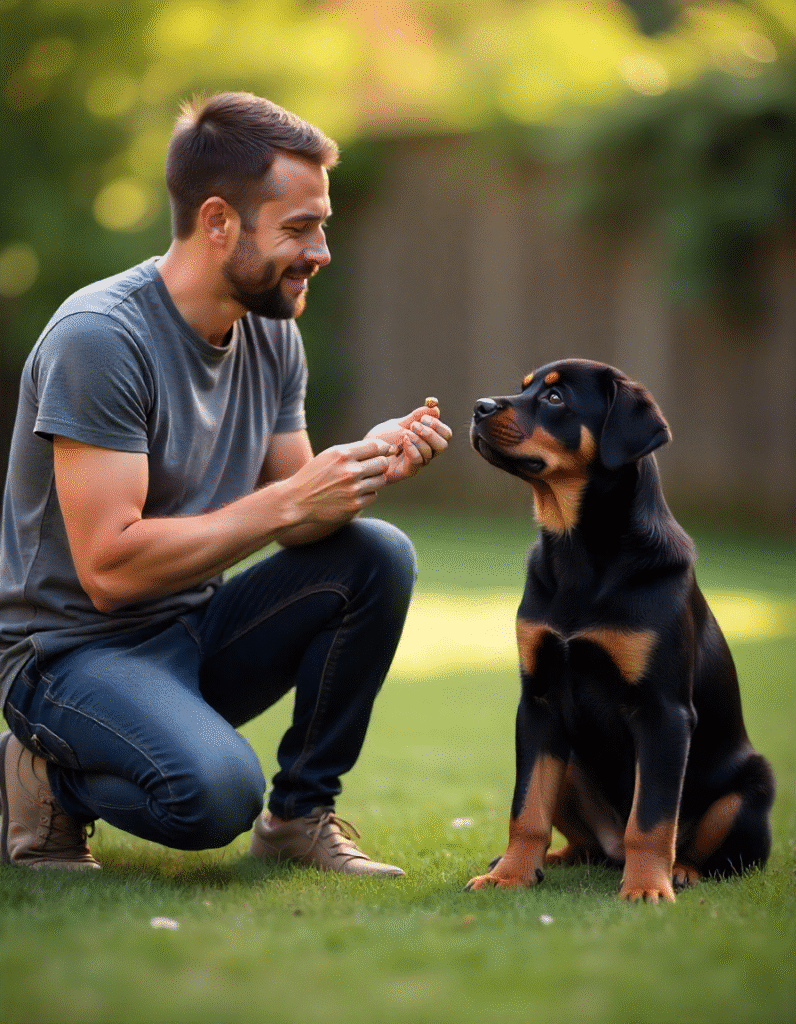
Start training early — Rottweilers are intelligent and eager to learn. Focus on commands like sit, stay, come, and leave it. Consistency and patience are key to success.
Positive Reinforcement and Early House Training
Use praise, treats, and affection to reward good behavior. Avoid harsh punishment, as it can lead to fear or aggression. Crate training and a regular potty schedule make housebreaking easier.
Diet and Nutrition for Growing Rottweiler Puppies
Recommended Puppy Foods and Feeding Schedule
Proper nutrition plays a critical role in the healthy growth of Rottweiler puppies. Since they’re a large breed with fast growth rates, their diet should contain balanced levels of protein, calcium, and phosphorus to support bone development.
- Age 0–3 months: 4 small meals a day
- 3–6 months: 3 meals a day
- 6 months and older: 2 meals a day
Look for premium puppy food specially formulated for large breeds. Brands such as Royal Canin Large Puppy or Hill’s Science Diet Large Breed are highly recommended. Always check for high-quality protein sources like chicken, beef, or lamb as the first ingredient.
Supplements and Common Feeding Mistakes
While supplements like fish oil or glucosamine can promote joint health, it’s best to consult your vet before adding them. Avoid overfeeding—Rottweilers can gain weight quickly, which stresses developing joints. Also, skip feeding your puppy human foods like chocolate, onions, or grapes, as they are toxic to dogs.

Health and Wellness of Rottweiler Puppies
Common Health Issues and Genetic Conditions
Rottweilers are generally healthy, but they can inherit certain conditions such as:
- Hip and elbow dysplasia (joint malformation)
- Aortic stenosis (heart issue)
- Parvovirus and distemper (if unvaccinated)
- Obesity (due to overfeeding or lack of exercise)
Regular vet check-ups and early health screenings are essential to detect and manage these problems early.
Vaccinations, Vet Visits, and Preventive Care
Puppies should receive their first vaccinations between 6–8 weeks of age and continue every 3–4 weeks until 16 weeks. Common vaccines include:
- DHPP (distemper, hepatitis, parvovirus, parainfluenza)
- Rabies (by 16 weeks)
Also, discuss flea, tick, and heartworm prevention with your vet. Maintaining a healthy routine will ensure your Rottweiler puppy grows into a strong, vibrant adult.
Exercise Needs and Playtime Tips
Safe Activities for Rottweiler Puppies
Rottweilers are active dogs that thrive on physical challenges. However, their growing bones are delicate, so intense jumping or running should be limited during the first year. Instead, engage your puppy in:
- Short walks (10–15 minutes) twice daily
- Gentle fetch games
- Indoor obstacle courses or puzzle toys
These activities build strength without risking joint injury.
Mental Stimulation and Bonding Games
Mental enrichment is as vital as physical exercise. Play hide-and-seek with treats, teach new tricks, or use slow-feeding bowls to challenge their brains. Regular playtime builds trust, sharpens obedience, and strengthens your bond.
Grooming and Maintenance
Bathing, Brushing, and Nail Care
Rottweiler puppies are relatively low-maintenance when it comes to grooming. Their short, double-layer coat only needs weekly brushing to remove loose fur and distribute oils. Bathe them every 4–6 weeks or as needed using a gentle puppy shampoo.
Trim nails monthly and check paw pads regularly for cracks or debris. Rottweilers are active dogs, so keeping their nails short prevents discomfort and injuries.
Dental Hygiene and Ear Cleaning
Dental health is often overlooked, but it’s vital for Rottweiler puppies. Brush their teeth 2–3 times a week and offer dental chews to prevent plaque buildup. Clean their ears gently with vet-approved wipes to avoid infections caused by trapped moisture or wax.
*10 Best Dog Safety Gate Indoor Options to Keep Your Pup Safe & Happy
Raising a Well-Behaved Adult Rottweiler
Socializing with Other Pets and Strangers
Early and consistent socialization is the secret to raising a friendly Rottweiler. Introduce your puppy to new people, sounds, and situations from 8 weeks onward. Positive interactions reduce fear-based behaviors and ensure your Rottweiler grows into a confident adult.
Managing Territorial Behavior
Rottweilers have a natural instinct to guard their families. Channel this protective nature positively through obedience training and firm boundaries. A well-trained Rottweiler can distinguish between real threats and everyday visitors, making them loyal yet balanced protectors.
The Cost of Owning Rottweiler Puppies
Breeder Prices, Vet Bills, and Long-Term Costs
Buying a Rottweiler puppy from a reputable breeder typically costs $1,500–$3,000. Additional costs include:
- Vaccinations & checkups: $200–$400 annually
- Food & supplies: $700–$1,000 yearly
- Training classes: $150–$300
While the investment is significant, the love and loyalty of a Rottweiler are truly priceless.
Insurance and Unexpected Expenses
Pet insurance can be a wise choice for large breeds prone to health issues. Plans typically range from $30–$60 monthly and can cover surgeries, medications, and emergency care. Always set aside funds for unplanned expenses like injuries or illnesses.
Myths and Misconceptions About Rottweilers
Debunking Aggression Myths
One of the most damaging myths is that Rottweilers are inherently aggressive. In reality, aggression stems from poor training or neglect, not the breed itself. Well-bred and properly socialized Rottweilers are calm, affectionate, and trustworthy.
Understanding Their True Nature
Rottweilers are intelligent, loyal, and eager to please. With the right upbringing, they’re excellent companions for families, children, and even other pets. Their devotion and courage make them one of the most misunderstood — yet most loving — breeds in the world.
*Mastering Dog Nail Trimming A Step-by-Step Guide for a Happy Pup
Frequently Asked Questions (FAQs)
1. Are Rottweiler puppies good with kids?
Yes! When properly socialized, Rottweiler puppies are gentle and protective around children. Always supervise playtime to teach mutual respect.
2. How much exercise does a Rottweiler puppy need daily?
About 30–45 minutes of light exercise split into short sessions is ideal for growing puppies.
3. When should I start training my Rottweiler puppy?
Begin basic training as soon as you bring them home (around 8 weeks old). Early consistency leads to long-term obedience.
4. Do Rottweilers shed a lot?
They shed moderately year-round, with heavier shedding twice a year during coat transitions. Regular brushing keeps it manageable.
5. How can I tell if my Rottweiler puppy is purebred?
Check for breed certification papers, microchip records, and parental health clearances from a trusted breeder.
6. How long do Rottweilers live?
The average lifespan is 9–11 years, though a healthy diet, exercise, and regular vet care can extend their life expectancy.
Conclusion: Building a Lifelong Bond with Your Rottweiler Puppy
Bringing home a Rottweiler puppy means welcoming loyalty, love, and protection into your life. These remarkable dogs combine intelligence, strength, and affection — a perfect mix for devoted families.
With proper care, early training, balanced nutrition, and plenty of affection, your Rottweiler puppy will grow into a confident and loving companion. They don’t just guard your home — they become part of your heart. ❤️