

Is Your Cat Secretly Sick The Subtle Signs Every Owner Should Know in 2026
Uncover the hidden signs of cat sickness. Learn what to look for in your feline friend’s behavior and habits in 2026 to ensure they stay healthy and happy.
As a devoted cat owner, you probably pride yourself on knowing your feline companion inside and out. But what if your beloved pet is quietly suffering, displaying only the most subtle indications of cat sickness? Cats are masters of disguise, instinctively hiding their vulnerabilities, a survival trait from their wild ancestors. This ability makes detecting underlying health issues a genuine challenge. Understanding these nuanced shifts in behavior and physical well-being is crucial for early intervention, potentially saving your cat from advanced illness and discomfort. In 2026, with increasing awareness and advanced monitoring options, every owner has the opportunity to become a vigilant advocate for their cat’s health.
Decoding Subtle Behavioral Shifts in Cat Sickness
A cat’s behavior is a complex tapestry, and any deviation from its typical patterns can be a red flag for cat sickness. These changes might be so minor that they are easily dismissed, but a keen observer can often spot them before symptoms become severe. Pay close attention to your cat’s routine and interactions.
Changes in Social Interaction
Your normally affectionate cat might suddenly become withdrawn, hiding more often, or avoiding interaction. Conversely, a shy cat might become unusually clingy or vocal. These shifts can indicate discomfort, pain, or anxiety, all potential markers of an underlying health issue. A cat experiencing pain may seek isolation to cope.
– Increased hiding: Seeking solace in quiet, secluded spots more frequently than usual.
– Reduced affection: Less purring, rubbing, or desire for petting.
– Aggression or irritability: Snapping or hissing when touched in a certain area, indicating pain.
– Excessive clinginess: Following you around more than usual, possibly seeking reassurance.
Altered Litter Box Habits
Litter box changes are among the most common and telling signs of cat sickness. Any alteration in frequency, consistency, or the act of elimination itself warrants immediate attention. Urinary tract infections, kidney issues, and digestive problems often manifest here.
– Urinating outside the box: This is often a sign of a medical problem, not spite. It could be a UTI, kidney stones, or even arthritis making it painful to get into the box.
– Increased or decreased urination: More frequent trips could indicate diabetes or kidney disease; less frequent could signal a blockage.
– Straining to urinate or defecate: This is an emergency and requires immediate veterinary attention.
– Changes in stool consistency: Diarrhea or constipation can be signs of digestive upset, parasites, or more serious conditions.
Unusual Vocalizations
While some cats are naturally more vocal than others, a sudden change in their meows, purrs, or cries can signal trouble. Excessive meowing could be a plea for help, while a lack of vocalization from a usually chatty cat might also be concerning. Understanding your cat’s communication style is key.
– Excessive or unusual meowing: May indicate pain, anxiety, or confusion (especially in older cats with cognitive decline).
– Hissing or growling: If unprovoked, this can be a strong sign of pain or fear due to illness.
– Lack of purring: A cat that usually purrs might stop when feeling unwell, though some sick cats purr as a self-soothing mechanism.
Reduced Activity Levels or Lethargy
Cats sleep a lot, but they also have periods of intense play and exploration. If your cat seems more lethargic, less interested in toys, or spends more time sleeping, it could be a sign of cat sickness. This might be one of the most common but overlooked indicators.
– Less playtime: Refusing to engage with favorite toys or games.
– Increased sleep: Spending more time napping, even during typical active hours.
– Sluggishness: Moving slowly, struggling to jump, or showing a general lack of enthusiasm.
– Reluctance to move: Staying in one spot for prolonged periods, especially if it’s not a usual resting place.
Physical Indicators: Beyond the Surface of Cat Sickness
Beyond behavior, a thorough physical assessment of your cat can reveal numerous signs of cat sickness. These signs might be subtle at first glance, requiring a gentle touch and keen observation. Regular grooming sessions offer an excellent opportunity to perform a quick health check.
Coat Condition and Grooming Changes
A healthy cat typically has a sleek, well-groomed coat. Changes in coat texture, excessive shedding, or a lack of grooming can all point to an underlying issue. A dull, greasy, or matted coat suggests that your cat is not feeling well enough to groom themselves.
– Dull or greasy fur: A sign of poor health, as grooming habits decrease or underlying conditions affect skin and coat.
– Matting: Especially noticeable in long-haired cats, indicates a lack of self-grooming due to pain, obesity, or illness.
– Excessive shedding or bald patches: Can point to allergies, parasites, stress, or hormonal imbalances.
– Over-grooming: Licking or chewing excessively can be a sign of pain, skin irritation, or anxiety.
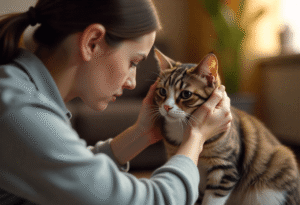
Eye, Nose, and Ear Abnormalities
The eyes, nose, and ears are sensitive areas that can display clear indicators of cat sickness. Any discharge, redness, swelling, or changes in appearance should be noted and investigated. These areas are often windows into respiratory issues, infections, or even systemic diseases.
– Runny or watery eyes: Can be a sign of allergies, conjunctivitis, or a viral infection.
– Redness or swelling around the eyes: Indicates inflammation or infection.
– Nasal discharge: Clear discharge might be allergies, but thick, colored discharge suggests infection.
– Ear discharge or odor: Waxy buildup, dark discharge, or a foul smell indicates ear mites or bacterial/yeast infections.
– Head shaking or scratching ears: Clear signs of discomfort or an ear problem.
Changes in Gait or Mobility
Cats are agile creatures, and any stiffness, lameness, or difficulty moving should be taken seriously. Arthritis, injuries, or neurological conditions can all affect your cat’s ability to move comfortably. Observing how your cat jumps, runs, and climbs can provide valuable insights.
– Limping: Obvious lameness in a leg.
– Stiffness: Difficulty getting up, moving slowly, or hesitating before jumping.
– Reluctance to jump: Avoiding favorite high perches, indicating pain.
– Swelling in joints: Visible or palpable swelling around joints.
– Tremors or uncoordinated movements: Potential neurological issues.
Bad Breath and Oral Health
Foul breath (halitosis) in cats is not normal and is often a strong indicator of dental disease, which can lead to more severe cat sickness if left untreated. Periodontal disease is rampant in cats, affecting nearly 70% of felines by age three. Other oral signs can also be significant.
– Persistent bad breath: Indicates plaque, tartar buildup, gum disease, or even kidney issues.
– Drooling: Excessive drooling can be a sign of oral pain, nausea, or a foreign object.
– Red or swollen gums: Inflammation due to gingivitis or periodontal disease.
– Difficulty eating: Dropping food, chewing on one side, or refusal to eat hard food due to pain.
Eating and Drinking Habits: A Window into Your Cat’s Health
The way your cat consumes food and water can offer vital clues about their overall health. Changes in appetite or thirst are often among the first signs of cat sickness and should never be ignored. Monitoring these habits daily can help you catch problems early.
Appetite Changes: Too Much or Too Little
A sudden decrease in appetite, or even a complete refusal to eat, is a serious sign. It could indicate dental pain, digestive upset, kidney disease, or many other illnesses. Conversely, a sudden increase in appetite without weight gain can point to conditions like hyperthyroidism or diabetes.
– Anorexia (refusal to eat): Can lead to serious liver problems (hepatic lipidosis) quickly in cats.
– Pickiness: Previously enjoyed foods are suddenly rejected.
– Increased hunger with weight loss: A classic sign of hyperthyroidism or diabetes, where the body isn’t processing nutrients properly.
– Difficulty chewing: Dropping food or showing discomfort while eating.
Increased or Decreased Thirst
Changes in water intake are critical indicators. Increased thirst (polydipsia) often signals diabetes, kidney disease, or hyperthyroidism. Decreased thirst could be a sign of nausea, fever, or pain, leading to dehydration. Knowing your cat’s normal water consumption is helpful.
– Frequent trips to the water bowl: Signifies an increased need for hydration.
– Drinking from unusual places: Seeking water from faucets, showers, or even toilets might indicate increased thirst.
– Reduced water intake: Your cat might seem disinterest in drinking, which can quickly lead to dehydration.
Vomiting and Diarrhea: When is it Serious?
While occasional vomiting or a loose stool might not be alarming, persistent or severe episodes of vomiting or diarrhea are clear signs of cat sickness. These can lead to dehydration and electrolyte imbalances rapidly. Watch for blood, mucus, or unusual colors in vomit or stool.
– Frequent vomiting: More than once or twice a week, or sudden acute vomiting.
– Projectile vomiting: Forceful expulsion of stomach contents.
– Bloody vomit or stool: An emergency requiring immediate veterinary attention.
– Persistent diarrhea: More than 24-48 hours, or accompanied by lethargy, fever, or pain.
– Inappropriate defecation: Diarrhea outside the litter box can also be a sign of urgency or inability to make it to the box.
Leveraging Technology for Early Cat Sickness Detection in 2026
In 2026, technology offers cat owners new avenues for proactive health monitoring, helping to detect subtle signs of cat sickness even when you’re not home. Smart devices can track various aspects of your cat’s daily routine, providing data that might otherwise go unnoticed. These tools supplement, rather than replace, regular veterinary care.
The Rise of Smart Pet Devices
Smart feeders, litter boxes, and activity trackers are becoming increasingly sophisticated. They can monitor food and water intake, weight changes, litter box usage patterns (frequency, duration, waste volume), and activity levels, compiling data that can be shared with your vet. This continuous monitoring is invaluable for identifying deviations from normal patterns that could indicate cat sickness. These devices provide objective data, helping to remove the subjectivity from owner observations.
10 Best Healthy Cat Treats Your Feline Will Love (2026 Guide)
Comparison of Advanced Cat Monitoring Tools
Many devices promise to revolutionize pet health. Here’s a look at some common types of smart cat monitoring tools, helping you choose what might be best for your feline friend.
| Product | Price | Pros | Cons | Best For |
|---|---|---|---|---|
| PetSafe Smart Feed Automatic Feeder | $150 | Automates feeding times and portion control; Wi-Fi enabled for remote management; tracks food intake over time. | Requires consistent Wi-Fi signal; app can be finicky for some users; only monitors food, not water. | Owners wanting precise feeding schedules and to monitor appetite changes. |
| Litter-Robot 4 Self-Cleaning Litter Box | $700 | Automatic self-cleaning; monitors litter box usage frequency, waste volume, and cat weight via app. | High initial cost; large footprint; can be intimidating for some cats; requires specific litter types. | Owners needing automated cleaning and comprehensive litter box health data for cat sickness detection. |
| SureFeed Microchip Pet Feeder Connect | $250 | Only opens for specific microchipped cat; tracks food intake and duration; ideal for multi-cat households or prescription diets. | More expensive than basic feeders; requires microchip or RFID collar tag; battery operated. | Multi-cat households or cats on special diets where food intake needs strict monitoring. |
| PetSafe Smart Fountain | $80 | Filters water to keep it fresh; app monitors water levels and alerts for refills; encourages drinking. | Requires regular cleaning to prevent slime buildup; can be noisy; filters need frequent replacement. | Owners looking to monitor water intake and ensure continuous access to fresh water. |
When to Call the Vet: Recognizing Urgent Cat Sickness Signs
While monitoring for subtle signs of cat sickness is important, some symptoms warrant immediate veterinary attention. Delaying care in these instances can have severe, even life-threatening, consequences. Always err on the side of caution when your cat’s health is concerned.
Symptoms Requiring Immediate Attention
Certain acute symptoms are clear indicators of a medical emergency. Do not wait to see if these improve; contact your veterinarian or an emergency animal clinic immediately. Early intervention is crucial for these conditions.
– Difficulty breathing: Open-mouth breathing, rapid shallow breaths, wheezing, or coughing indicates a serious respiratory or cardiac issue.
– Prolonged vomiting or diarrhea: Especially if severe, bloody, or accompanied by lethargy, it can quickly lead to dehydration and shock.
– Straining to urinate: This is a dire emergency, particularly for male cats, as it could indicate a urinary blockage, which is fatal if untreated.
– Collapse or unconsciousness: Any loss of consciousness or inability to stand.
– Seizures: Uncontrolled muscle spasms, loss of bodily functions, or disorientation.
– Severe pain: Crying out, hiding, aggression when touched, or rapid breathing, particularly if localized.
– Trauma: Falls, car accidents, animal attacks, or any suspected broken bones.
– Ingestion of toxins: If you suspect your cat has eaten poison, medication, or toxic plants.
The Importance of Regular Check-ups
Even if your cat shows no outward signs of cat sickness, annual or bi-annual veterinary check-ups are essential. Veterinarians can often detect subtle changes during a physical exam that an owner might miss. These routine visits allow for preventative care, vaccinations, parasite control, and early detection of diseases. For older cats, more frequent check-ups are often recommended. Blood work and urinalysis can reveal underlying conditions before clinical signs appear.
Proactive Wellness: Preventing Cat Sickness Before It Starts
Preventative care is the best defense against cat sickness. By providing an optimal environment, nutrition, and routine healthcare, you can significantly reduce your cat’s risk of developing many common illnesses. A holistic approach to your cat’s well-being ensures a happier, healthier life.
Optimal Nutrition and Hydration
A high-quality, species-appropriate diet is fundamental to your cat’s health. Ensure their food meets their nutritional needs, considering age, activity level, and any existing health conditions. Access to fresh, clean water at all times is equally vital. Many cats prefer running water from a fountain, which can encourage them to drink more.
– Choose high-quality cat food: Look for foods with real meat as the first ingredient, minimal fillers, and balanced nutrients. Consult your vet for dietary recommendations.
– Monitor food portions: Prevent obesity, which can lead to diabetes, arthritis, and other health issues.
– Ensure constant access to fresh water: Offer multiple water bowls in different locations, or consider a pet drinking fountain.
– Incorporate wet food: The higher moisture content can help with hydration and urinary tract health.
Enrichment and Stress Reduction
Environmental enrichment is critical for your cat’s mental and physical health. Boredom and stress can lead to behavioral problems and even suppress the immune system, making your cat more susceptible to cat sickness. Provide opportunities for play, exploration, and mental stimulation.
– Provide scratching posts and cat trees: Offer outlets for natural behaviors and climbing.
– Engage in regular playtime: Use toys that mimic prey to satisfy their hunting instincts.
– Create safe spaces: Give your cat elevated perches and hiding spots where they can feel secure.
– Minimize stressors: Avoid sudden changes to their environment, maintain a routine, and introduce new pets or people slowly.
– Consider pheromone diffusers: Products like Feliway can help reduce anxiety in some cats.
Vaccinations and Parasite Control
Protecting your cat from infectious diseases and parasites is a cornerstone of preventative care. Work with your veterinarian to establish a vaccination schedule and a year-round parasite control program. These measures are critical, even for indoor-only cats, as many pathogens and parasites can still find their way into your home.
– Keep vaccinations up to date: Core vaccines protect against common and dangerous diseases like rabies and feline distemper.
– Administer regular parasite prevention: This includes protection against fleas, ticks, heartworms, and intestinal worms.
– Schedule routine deworming: Even if not visible, intestinal parasites can be present and affect your cat’s health.
– Practice good hygiene: Clean litter boxes daily, wash bedding regularly, and keep your home tidy to reduce exposure to pathogens.
Understanding the subtle signs of cat sickness and being proactive in your cat’s care is the best way to ensure their long-term health and happiness. By observing their behavior, checking physical indicators, monitoring habits, and leveraging modern technology, you can become an even more informed and attentive pet parent. Early detection and intervention are key to managing any potential health issues, allowing your feline friend to thrive. Never hesitate to contact your veterinarian if you have any concerns about your cat’s well-being.
10 Best Healthy Dog Treats Your Pup Will Love in 2026
Frequently Asked Questions (FAQ)
What are the most common subtle signs of cat sickness?
The most common subtle signs include changes in appetite or thirst, altered litter box habits (frequency or accidents), increased hiding or reduced social interaction, unusual vocalizations, decreased activity levels, and changes in coat condition or grooming. These can all point to underlying health issues before they become severe.
How often should I monitor my cat for signs of illness?
Ideally, you should observe your cat daily for any changes in behavior or routine. Quick checks during feeding times, play, and petting sessions can help you catch subtle shifts. A more thorough physical check, including their coat, eyes, and ears, can be done weekly during grooming.
Can changes in my cat’s personality indicate illness?
Absolutely. Cats experiencing pain, discomfort, or anxiety due to illness may become more irritable, withdrawn, aggressive, or unusually clingy. A sudden shift in personality is a strong indicator that something is amiss and warrants veterinary attention.
Are indoor cats less susceptible to cat sickness?
While indoor cats are protected from many outdoor hazards like traffic, fights, and certain infectious diseases, they are still susceptible to numerous health issues, including dental disease, obesity, urinary problems, and internal parasites. Regular vet check-ups and preventative care are crucial for all cats.
What should I do if I notice a subtle sign of cat sickness?
If you notice any persistent or concerning subtle signs, it’s always best to contact your veterinarian. Describe the changes you’ve observed in detail. Early detection often leads to more effective treatment and better outcomes for your cat.