
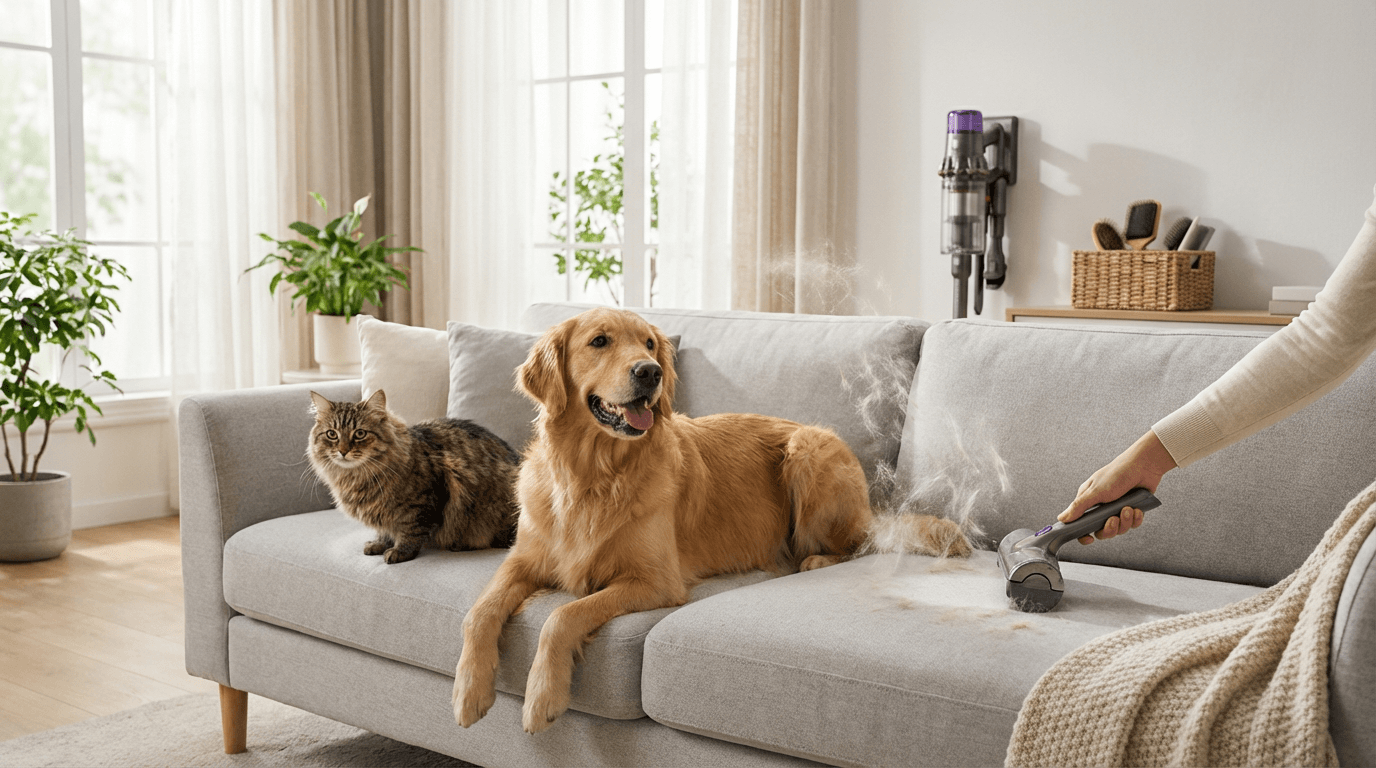
Mastering a Fur-Free Home with Top Pet Hair Removers
The Best Pet Hair Removers: Mastering the Art of a Fur-Free Home
🔑Key Takeaways
- Effective pet hair management involves both proactive grooming (brushing, deshedding) and reactive cleaning with specialized tools.
- Beyond aesthetics, managing pet hair is crucial for reducing allergies, maintaining hygiene, preventing matting, and improving overall pet health.
- A diverse toolkit is essential, with specific removers tailored for different surfaces like clothing, furniture, carpets, car interiors, and laundry.
- Modern innovations in vacuum technology, electrostatic tools, and rubber/silicone solutions offer efficient and often sustainable ways to combat pet hair.
- A holistic approach, including pet-friendly home design, regular cleaning routines, and industry collaboration, contributes to a cleaner home and enhanced pet wellness.
📑Table of Contents
-
- The Ubiquitous Fur Challenge: More Than Just an Annoyance
- Proactive Measures: The First Line of Defense Against Shedding
- The Arsenal of Removal: Tools for Every Surface and Situation
- Deep Dive into Specific Pet Hair Removers and Technologies
- Beyond the Tools: Holistic Pet Hair Management Strategies
- The Pet Industry’s Role: Addressing the Furry Challenge
- Connecting the Dots: Improved Wellness, Training, and Daily Care
- FAQ Section
- Conclusion
✅The Ubiquitous Fur Challenge: More Than Just an Annoyance
◻If you share your life with a beloved canine or feline companion, you know that while the joy they bring is immeasurable, so too is the amount of fur they can shed. Face it: If you have a dog, especially a double-coated breed, you can expect to find scores of loose hairs on your clothing, furniture, carpets and other flooring, and inside your car. (And if you have a hairless dog, then instead of excess fur you’ll find oily spots on furniture and walls, so you can’t really win.) The quest for a truly fur-free home often feels like a Sisyphean task, an endless battle against microscopic strands and fluffy tumbleweeds. Yet, it’s a battle that every pet owner, veterinarian, trainer, breeder, and pet product innovator is invested in, seeking not just cleanliness, but also improved pet wellness and a more harmonious living environment.
◻This comprehensive guide delves into the world of The Best Pet Hair Removers, exploring not only the most effective tools and techniques but also the deeper implications of pet hair management for animal health, human comfort, and the thriving pet industry. We’ll explore everything from proactive grooming strategies to the latest in cleaning technology, ensuring that your efforts yield the cleanest, healthiest results for both your pets and your home.
◻Shedding is a natural, essential process for most pets, allowing them to regulate body temperature and maintain a healthy coat. However, the sheer volume of hair, particularly from breeds like Golden Retrievers, German Shepherds, Huskies, or long-haired cats, can be overwhelming. This isn’t just an aesthetic problem; it carries practical and health implications:
- Allergies: Pet dander (microscopic flecks of skin) is a common allergen, often exacerbated by loose hair that traps and distributes it throughout the home. Effective hair removal can significantly reduce allergen loads, improving quality of life for allergy sufferers.
- Hygiene and Cleanliness: Loose hair can accumulate in corners, cling to fabrics, and even clog air vents, impacting indoor air quality. It can also trap dirt, dust, and microscopic debris, making the home feel less sanitary.
- Pet Health: While hair itself isn’t a direct health threat, excessive loose hair, if not properly managed through grooming, can lead to matting. Mats are painful, pull on the skin, can hide skin infections, parasites, or injuries, and restrict air circulation, leading to skin irritation and hotspots.
- Maintenance of Belongings: Pet hair can embed itself deeply into upholstery, carpets, and clothing, making them difficult to clean and potentially shortening their lifespan. Car interiors are particularly notorious for trapping pet hair.
◻Understanding these challenges underscores why effective pet hair management is crucial, extending far beyond simple aesthetics to impact comfort, health, and the practicalities of daily living with pets.
✅Proactive Measures: The First Line of Defense Against Shedding
The most effective strategy against pet hair isn’t just reactive cleaning; it’s proactive prevention. Regular grooming routines are paramount in minimizing the amount of loose hair that ends up in your home.
Regular Grooming: Brushing and Deshedding Tools
Consistent brushing is the cornerstone of pet hair management. It removes dead hair before it has a chance to settle on your furniture or clothing. The type of brush depends on your pet’s coat:
- Slicker Brushes: Ideal for removing loose hair and mats from medium to long-haired breeds.
- Bristle Brushes: Best for short-haired breeds to remove surface dirt and loose hair, and to stimulate skin oils for a healthy shine.
- Pin Brushes: Good for longer, silkier coats, helping to detangle and remove loose fur without pulling.
- Grooming Gloves: Offer a gentle way to remove loose hair, especially for sensitive pets or those new to brushing. They can also be great for massaging.
- Deshedding Tools (e.g., FURminator-style tools): These specialized tools feature fine, tightly packed teeth designed to reach through the topcoat and gently remove the loose undercoat without cutting the guard hairs. Used regularly, they can dramatically reduce shedding.
Diet and Supplements for Coat Health
A healthy coat sheds less and is more manageable. Nutrition plays a vital role. Diets rich in omega-3 and omega-6 fatty acids (found in fish oil, flaxseed, and some specialized pet foods) contribute to skin health and a lustrous coat. A healthy coat is less prone to excessive shedding and dryness.
Bathing Routines
Regular bathing, using appropriate pet shampoos, can also help loosen and remove dead hair. Deshedding shampoos and conditioners are specifically formulated to help release the undercoat, making subsequent brushing more effective. Always rinse thoroughly to prevent skin irritation.
Expert Take: The Power of Prevention
“The best pet hair remover isn’t a tool; it’s a consistent grooming routine,” advises Dr. Eleanor Vance, a veterinary dermatologist. “Regular brushing, especially with deshedding tools, drastically reduces the amount of hair released into the home. It also promotes healthier skin, reduces matting, and strengthens the bond between pet and owner. It’s a preventative measure that pays dividends for both pet wellness and home cleanliness.”
✅The Arsenal of Removal: Tools for Every Surface and Situation
Despite best efforts at prevention, some pet hair is inevitable. Thankfully, the market offers a vast array of tools designed for every type of surface and hair challenge.
🏮For Clothing & Small Areas
- Traditional Adhesive Lint Rollers: These classics are indispensable for quick touch-ups on clothing, lampshades, and small fabric areas. While effective, they generate waste and often require frequent sheet changes.
- Reusable Lint Removers: Silicone or gel-based rollers offer a washable, reusable alternative. They work by having a tacky surface that picks up hair, which can then be rinsed off.
- Fabric Brushes/Velvet Brushes: These brushes feature a directional fabric surface that, when stroked across material, lifts hair. They are environmentally friendly and durable.
- Electrostatic Brushes/Wands: These tools, often made with specially designed fabric or plastic, generate a static charge that attracts and captures pet hair. They are particularly effective on fine hair and can be self-cleaning (e.g., by pushing collected hair into a compartment).
🏮For Furniture & Upholstery
Removing pet hair from sofas, chairs, and other upholstered items requires tools with more gripping power.
- Rubber Brushes, Gloves, and Squeegees: The friction and static created by rubber are incredibly effective at gathering pet hair into clumps, making it easy to pick up. A simple rubber glove dampened with water can work wonders on fabric furniture. Specialized rubber squeegees can be used on larger surfaces.
- Pet Hair Removal Sponges: These unique sponges, often made of a specific porous material, are designed to grab and lift embedded pet hair from fabric, acting almost like a magnet.
- Handheld Vacuum Cleaners with Upholstery Tools: Many powerful handheld vacuums come with motorized brush attachments specifically designed to agitate and lift pet hair from fabric. Look for models with strong suction and anti-tangle brush rolls.
🏮For Carpets & Flooring
Carpets are notorious for trapping pet hair, making deep cleaning essential. Hard floors, while easier, still require consistent attention.
- Powerful Vacuum Cleaners: A high-quality vacuum cleaner with strong suction, a robust brush roll, and excellent filtration (HEPA filters are a bonus for allergy sufferers) is crucial. Look for models specifically marketed for pet owners, as they often include features like tangle-free brush rolls and specialized attachments.
- Robot Vacuums: For daily maintenance, robot vacuums (many with pet hair optimized features) can be game-changers. Programmed to clean regularly, they prevent large accumulations of hair, especially on hard floors and low-pile carpets.
- Rubber Brooms/Rakes: These specialized brooms feature rubber bristles that create static and effectively gather pet hair from carpets and rugs into manageable piles for easy vacuuming or pickup. They are also excellent for use on hard floors, as hair tends to clump rather than scatter.
🏮For Car Interiors
The car often becomes a mobile pet hair magnet.
- Mini Handheld Vacuums: Compact yet powerful handheld vacuums are essential for car detailing.
- Specialized Car Pet Hair Removal Tools: Many rubber-based tools, sponges, or even simple rubber gloves can effectively pull hair from car seats and mats.
- Detailing Brushes: Stiff-bristled brushes can agitate hair from carpet and upholstery before vacuuming.
🏮For Laundry
Pet hair can cling to fabrics even through the wash cycle.
- Laundry Hair Catchers/Balls: These reusable devices are designed to float in the washing machine and trap loose pet hair, preventing it from redepositing on clothes.
- Drying Techniques: Ensure your dryer’s lint trap is clean before each load. A dryer sheet can also help reduce static and loosen remaining hair. For heavily furred items, a quick tumble on a no-heat setting before a full wash can help dislodge some hair.
Expert Take: Matching the Tool to the Task
“One size rarely fits all when it comes to pet hair removal,” says Michael Chen, a professional home cleaner specializing in pet-friendly spaces. “The key is understanding your surfaces and the type of hair you’re dealing with. A rubber squeegee might be your savior on upholstery, while a powerful upright vacuum with specific attachments is non-negotiable for carpets. Investing in a diverse toolkit will always yield better results than relying on a single ‘magic bullet’.”
✅Deep Dive into Specific Pet Hair Removers and Technologies
The pet care industry continually innovates, offering increasingly sophisticated solutions to the pet hair conundrum.
Advanced Vacuum Technology
Modern vacuum cleaners, especially those designed for pet owners, feature significant technological advancements:
- Cyclonic Suction: Prevents loss of suction by separating dirt and hair from the airflow, keeping filters clearer.
- Tangle-Free Brush Rolls: These designs minimize hair wrapping around the brush, ensuring consistent performance and reducing maintenance. Some models even self-clean the brush roll.
- Multi-Surface Cleaning: Adaptable settings for different floor types, from delicate hardwoods to deep-pile carpets.
- Advanced Filtration: HEPA filters capture microscopic allergens and dander, significantly improving indoor air quality.
Electrostatic Tools
The principle of static electricity is cleverly harnessed in many pet hair removers. Materials like specific plastics or fabrics rubbed against a surface generate a charge that attracts and holds loose hair, making cleanup effortless. These tools are often silent, require no power, and are highly portable.
Silicone & Rubber Solutions
The unique texture and flexibility of silicone and rubber make them exceptionally good at gripping pet hair. Whether in the form of gloves, brushes, or squeegees, these materials create friction that pulls even deeply embedded hairs from fabric fibers. They are durable, easy to clean, and often reusable, making them an eco-friendly choice.
Reusable vs. Disposable: Environmental and Cost Considerations
The debate between reusable and disposable pet hair removers often comes down to convenience versus sustainability. While adhesive lint rollers are convenient for quick fixes, their constant waste generation can be a concern. Reusable options like silicone rollers, rubber brushes, and electrostatic tools offer a more environmentally conscious and cost-effective long-term solution. Pet product sellers have an opportunity to educate consumers on these benefits, promoting sustainable choices within their product lines.
Expert Take: Innovation in Pet Hair Management
“The innovation in pet hair removal isn’t just about stronger suction; it’s about smarter design,” states Dr. Anya Sharma, a materials science researcher specializing in textiles. “We’re seeing advancements in anti-static fabric treatments, self-cleaning brush rolls, and ergonomic designs that make the task less cumbersome. The future promises even more specialized materials that actively repel pet hair, reducing the need for constant removal.”
✅Beyond the Tools: Holistic Pet Hair Management Strategies
Effective pet hair management extends beyond simply buying the right tools; it involves a holistic approach to home maintenance and pet care.
▶Dedicated Cleaning Routines
Establish a routine:
- Daily: Quick passes with a robot vacuum on hard floors, a lint roller for clothing before leaving the house.
- Weekly: Thorough vacuuming of carpets and upholstery, brushing pets more deeply.
- Monthly/Seasonally: Deep cleaning of rugs, washing pet bedding, cleaning air filters.
▶Pet-Friendly Home Design
- Fabric Choices: Opt for furniture fabrics that are less prone to trapping hair, such as leather, microfiber, or tightly woven synthetics. Avoid velvet or loose weaves if shedding is a major concern.
- Throw Blankets: Use washable throw blankets on favorite pet spots on furniture. These can be easily removed and washed, trapping most of the hair before it reaches the upholstery.
- Floor Coverings: While carpets are cozy, hard floors (wood, laminate, tile) are significantly easier to clean pet hair from. If carpets are a must, choose low-pile options.
▶Air Quality
- Air Purifiers: Investing in an air purifier with a HEPA filter can help remove airborne pet dander and hair, improving overall air quality and reducing allergens.
- HVAC Filters: Regularly change your home’s HVAC filters to prevent hair and dander from circulating through your ventilation system.
▶Training & Behavior
While you can’t stop shedding, you can influence where it happens.
- Designated Pet Zones: Provide comfortable, easy-to-clean pet beds or areas that pets are encouraged to use.
- Boundary Training: Gentle training to keep pets off certain furniture items or out of specific rooms can help contain hair to designated areas.
✅The Pet Industry’s Role: Addressing the Furry Challenge
The ongoing battle with pet hair presents significant opportunities and responsibilities for various segments of the pet industry.
💡For Pet Product Retailers
Retailers play a crucial role in educating consumers and offering diverse solutions.
- Understanding Consumer Needs: By identifying common pain points (e.g., hair on specific fabrics, allergy concerns), retailers can curate product selections that truly solve problems.
- Stocking Diverse Solutions: Offering a range of options, from budget-friendly lint rollers to high-end pet hair vacuums and grooming tools, caters to all customer segments.
- Educating Staff & Customers: Knowledgeable staff can guide customers to the best products for their specific pet and home situation. In-store demonstrations or online guides detailing product use can enhance customer satisfaction. Highlighting the benefits of sustainable, reusable options can also differentiate offerings.
💡For Veterinarians
Veterinarians are at the forefront of pet health and wellness, where hair management intersects with medical care.
- Advising on Skin Health: Excessive shedding or poor coat quality can sometimes indicate underlying health issues (e.g., allergies, nutritional deficiencies, hormonal imbalances). Vets can identify and treat these conditions, which in turn can improve coat health and reduce shedding.
- Allergy Management: Vets can advise owners on strategies to reduce dander and hair in the home to mitigate human allergies, including recommending specific grooming practices.
- Grooming Recommendations: Guiding owners on appropriate grooming tools and frequencies for their pet’s specific breed and coat type, ensuring comfortable and effective hair removal.
For Professional Groomers & Breeders
These professionals are experts in coat care and have a unique perspective on managing hair.
- Efficient Deshedding Techniques: Groomers use professional-grade deshedding tools and techniques that can significantly reduce shedding for weeks after a grooming session. They can also educate clients on how to maintain these results at home.
- Product Recommendations for Clients: Based on their hands-on experience, groomers and breeders can recommend the most effective at-home grooming and hair removal products to their clients, fostering trust and repeat business.
- Breeding for Coat Health: Responsible breeders consider coat health and shedding patterns in their breeding programs, contributing to healthier, more manageable coats in future generations.
Expert Take: Industry Synergy for a Cleaner Future
“The pet hair challenge isn’t just for pet owners; it’s a shared responsibility across the pet industry,” asserts Sarah Jenkins, a pet industry analyst. “From product designers creating innovative vacuum attachments to veterinarians advising on coat health supplements, and retailers making these solutions accessible, a synergistic approach leads to better outcomes for everyone. The market for effective hair removal is evergreen, and continued collaboration will drive even more sophisticated and sustainable solutions.”
✅Connecting the Dots: Improved Wellness, Training, and Daily Care
The benefits of effective pet hair management extend beyond a clean home, positively impacting multiple facets of pet ownership.
➖Better Pet Wellness
- Reduced Matting and Skin Irritation: Regular grooming and removal of loose hair prevent painful mats from forming, which can pull on the skin, cause discomfort, and lead to skin infections or hotspots.
- Improved Comfort: A well-groomed pet with a healthy, shed-free coat is simply more comfortable. They regulate temperature better and experience less irritation, leading to a happier disposition.
- Early Detection of Health Issues: Routine grooming allows owners to regularly inspect their pet’s skin for lumps, bumps, parasites, or unusual tenderness, enabling early veterinary intervention.
➖Enhanced Daily Care and Quality of Life
- Easier Cleaning and Maintenance: A proactive approach to hair removal makes daily cleaning routines much less daunting. Instead of tackling large accumulations, owners can manage smaller, more frequent cleanups.
- More Hygienic Living Spaces: Reducing pet hair and dander contributes to a cleaner, healthier indoor environment for all household members, especially those with allergies.
- Stress Reduction for Owners: The frustration of constant pet hair can be a significant source of stress for owners. Effective management techniques alleviate this burden, allowing for more relaxed and enjoyable interactions with pets.
➖Training Efficiency
While seemingly unrelated, a clean, comfortable environment can indirectly support training efforts.
- Less Distraction: A home free of excessive pet hair is less distracting for both pet and owner during training sessions.
- Comfortable Pet: A pet that is comfortable in its own skin (i.e., not itchy, matted, or overheated from excess fur) is more likely to be focused and receptive to training cues.
- Positive Association: A well-cared-for pet, whose grooming needs are consistently met, builds a stronger, more trusting relationship with its owner, which is foundational for effective training.
Conclusion➖ Living with pets enriches our lives in countless ways, and the occasional inconvenience of shedding is a small price to pay for that unconditional love. However, by understanding the challenges, embracing proactive grooming, and equipping ourselves with The Best Pet Hair Removers for every situation, we can transform the chore of hair management into an integrated part of a healthy, happy pet ownership journey.
From the latest advancements in vacuum technology to simple yet ingenious rubber brushes, the industry continues to innovate, offering solutions that make maintaining a clean, comfortable home easier than ever. By combining consistent preventative care with the right tools and strategies, pet owners, with the support of veterinarians, groomers, and product retailers, can ensure that their homes remain sanctuaries of cleanliness and joy. The ultimate goal is not just a fur-free couch, but a healthier pet, a happier owner, and a living space that truly reflects the boundless affection shared with our beloved animal companions.
Navigating Canine Spinal Health |Understanding and Managing Discospondylitis in Dogs