Canine IMHA A Deadly Threat to Your Dog’s Health
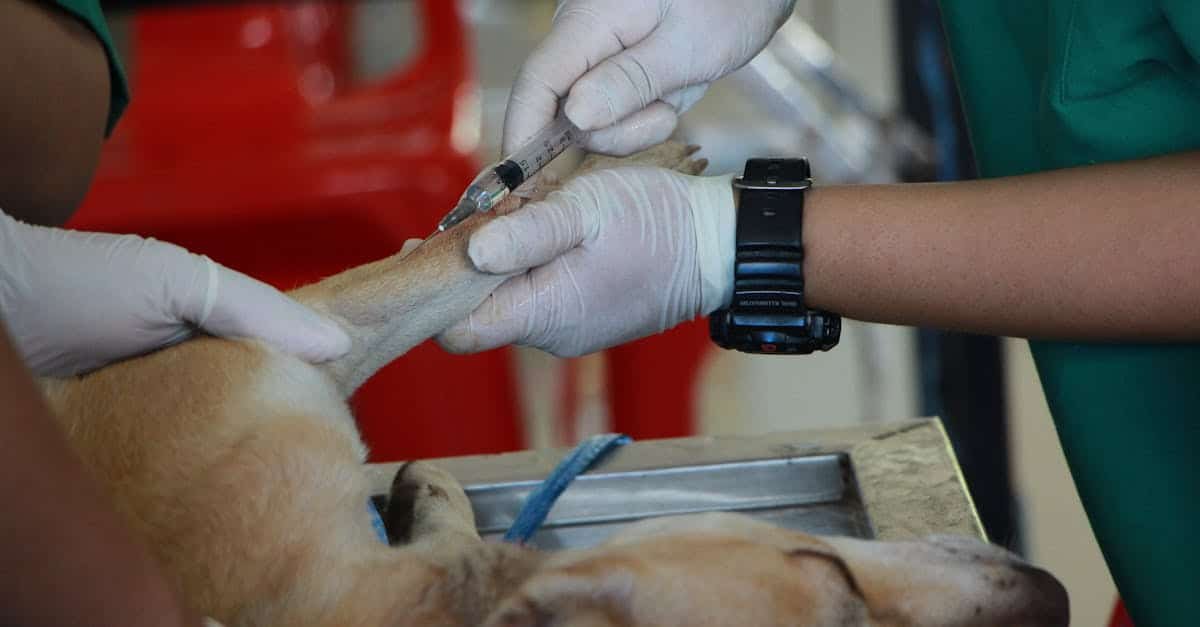
IMHA in Dogs Is Often Deadly: A Critical Look at Autoimmune Hemolytic Anemia and How to Protect Your Canine Companion
Key Takeaways
- Immune-Mediated Hemolytic Anemia (IMHA) is a severe, often deadly condition where a dog’s immune system mistakenly destroys its own red blood cells.
- Vigilance for early symptoms like pale gums, lethargy, and jaundice is critical for timely veterinary intervention.
- Diagnosis relies on a combination of tests, including a Complete Blood Count (CBC) and specific immune-mediated tests like the Direct Coombs’ Test.
- Treatment is aggressive, involving powerful immunosuppressive drugs, supportive care such as blood transfusions, and prophylactic measures against blood clots.
- IMHA demands long-term management and monitoring; pet owners play an indispensable role in adhering to treatment protocols and watching for relapses.
Table of Contents
- Understanding the Enemy: What is Immune-Mediated Hemolytic Anemia (IMHA)?
- The Complexities of Causation: Primary vs. Secondary IMHA
- Who’s at Risk? Breed Predispositions and Other Factors
- The Alarming Signs: What to Look For
- The Diagnostic Journey: How Vets Confirm IMHA
- The Battle for Survival: Treatment and Management
- Prognosis and Long-Term Management: A Guarded Outlook
- The Pet Owner’s Indispensable Role
- Veterinary Advances and Future Directions: A Glimmer of Hope
- Frequently Asked Questions (FAQ)
- Conclusion
Understanding the Enemy: What is Immune-Mediated Hemolytic Anemia (IMHA)?
The bond we share with our dogs is profound, filled with unconditional love, loyalty, and joy. As responsible pet owners, we strive to provide them with the best possible care, ensuring their health and happiness. However, sometimes, even with the most diligent care, unforeseen health challenges can arise. One such formidable and potentially devastating condition is Immune-Mediated Hemolytic Anemia (IMHA), also known as Autoimmune Hemolytic Anemia (AIHA) or simply autoimmune anemia. As highlighted by Dr. Debra M. Eldredge, DVM, and featured in leading pet health publications, IMHA in Dogs Is Often Deadly, underscoring the critical importance for every dog owner, veterinary professional, trainer, and breeder to understand this complex disease.
IMHA is not just a severe form of anemia; it’s a grave malfunction of the immune system where the body mistakenly attacks and destroys its own red blood cells. Red blood cells are vital for transporting oxygen throughout the body, and their rapid destruction leads to a severe oxygen deficit, which can quickly become life-threatening if not addressed immediately and aggressively. This article delves deep into IMHA, exploring its mechanisms, identifying risk factors, detailing symptoms, outlining diagnostic and treatment protocols, and discussing the crucial role of owners and the ongoing advancements in veterinary medicine that offer hope in managing this perilous condition.
To grasp the severity of IMHA, it’s essential to understand the basics of the canine immune system and red blood cells. The immune system is a complex network of cells and organs that protects the body from harmful invaders like bacteria, viruses, and parasites. It achieves this by identifying and destroying foreign substances while leaving the body’s own healthy cells intact. Red blood cells, or erythrocytes, are produced in the bone marrow and contain hemoglobin, a protein responsible for carrying oxygen from the lungs to all tissues and organs. They typically have a lifespan of about 100-120 days before being naturally removed from circulation by the spleen and liver.
In dogs with IMHA, a catastrophic error occurs. For reasons not always fully understood, the immune system loses its ability to distinguish between “self” and “non-self.” It misidentifies the dog’s own red blood cells as foreign invaders and mounts an attack against them. Antibodies, which are specialized proteins normally designed to target pathogens, bind to the surface of the red blood cells. This tagging marks them for destruction by other immune cells, primarily macrophages in the spleen and liver, or leads to their lysis (bursting) directly within the bloodstream.
This accelerated destruction of red blood cells far outpaces the bone marrow’s ability to produce new ones, leading to a rapid and severe drop in the red blood cell count – a condition known as anemia. Without enough red blood cells, the dog’s tissues and organs are deprived of oxygen, leading to a cascade of debilitating symptoms and, without prompt intervention, organ failure and death.
Expert Take: Dr. Debra M. Eldredge, DVM
“IMHA is a truly devastating disease because it turns a dog’s own defense system against itself. Recognizing the early, subtle signs and seeking immediate veterinary attention can be the difference between life and death. Every hour counts when a dog is battling such rapid red blood cell destruction.”
The Complexities of Causation: Primary vs. Secondary IMHA
IMHA is broadly categorized into two types: primary (idiopathic) and secondary. Understanding this distinction is vital for diagnosis and treatment.
- Primary (Idiopathic) IMHA: This is the most common form, accounting for roughly 60-70% of cases. In primary IMHA, no underlying cause for the immune system malfunction can be identified. The immune system simply starts attacking red blood cells for no apparent reason. It is often believed to have a genetic component, with certain breeds showing a higher predisposition.
- Secondary IMHA: In these cases, the immune-mediated destruction of red blood cells is triggered by another underlying disease or condition. The immune system, perhaps reacting to the primary insult, becomes overzealous or confused and then targets the red blood cells. Potential triggers for secondary IMHA include:
- Infections: Bacterial (e.g., ehrlichiosis, anaplasmosis, leptospirosis), viral, or parasitic infections (e.g., babesiosis, heartworm).
- Cancers: Lymphoma, hemangiosarcoma, or other systemic cancers.
- Drug Reactions: Certain medications, such as some antibiotics (e.g., trimethoprim-sulfa), anti-inflammatory drugs, or anticonvulsants, can sometimes trigger an immune response that affects red blood cells.
- Vaccinations: In very rare instances, a recent vaccination might be implicated, although this connection is debated and considered extremely rare compared to the benefits of vaccination.
- Toxins: Exposure to certain toxins.
- Other Immune-Mediated Diseases: Occasionally, IMHA can occur concurrently with other autoimmune conditions like immune-mediated polyarthritis or lupus.
Recognizing the potential for secondary IMHA is crucial because treating the underlying cause, if identified, can be a vital part of managing the IMHA itself.
Who’s at Risk? Breed Predispositions and Other Factors
While any dog breed can develop IMHA, certain breeds appear to have a higher genetic predisposition, suggesting an inherited susceptibility. These breeds include:
- Cocker Spaniels: Often cited as one of the most commonly affected breeds.
- Poodles (Standard and Miniature): Particularly susceptible.
- Old English Sheepdogs: Another breed with a documented higher risk.
- Irish Setters
- Dachshunds
- German Shepherds
- Bichon Frise
- Maltese
- Shih Tzu
IMHA typically affects middle-aged dogs, with an average age of onset between 2 and 8 years old, though it can occur at any age. Female dogs are often reported to be more commonly affected than males, though this can vary by study.
Vets Reveal Top Dog Food Allergens to Watch Out For: A Comprehensive Guide to Canine Wellness
The Alarming Signs: What to Look For
Early detection is paramount in IMHA. As a pet owner, being aware of the subtle and overt signs can significantly impact your dog’s prognosis. The symptoms of IMHA are primarily related to the lack of oxygen delivery to tissues due to severe anemia. They can develop rapidly, sometimes over a few hours or days, and include:
- Lethargy and Weakness: Your dog may seem unusually tired, reluctant to exercise, or have difficulty standing or walking.
- Pale Gums: This is a hallmark sign of anemia. Healthy gums are pink; anemic gums appear pale pink, whitish, or even yellowish (if jaundice is also present).
- Jaundice (Icterus): Yellowing of the skin, whites of the eyes, or gums. This occurs due to the breakdown of large numbers of red blood cells, which releases bilirubin, a yellow pigment, into the bloodstream faster than the liver can process it.
- Dark Urine: The presence of hemoglobin from destroyed red blood cells in the urine (hemoglobinuria) can make urine appear dark yellow, orange, or even reddish-brown.
- Increased Respiratory Rate and Effort: Your dog may breathe faster or seem to struggle for breath, even at rest, as the body tries to compensate for the lack of oxygen.
- Increased Heart Rate: The heart works harder to pump oxygen-poor blood.
- Loss of Appetite (Anorexia): Many sick dogs will refuse to eat.
- Vomiting or Diarrhea: Non-specific signs of illness.
- Collapse or Fainting Episodes: In severe cases, due to extreme oxygen deprivation to the brain.
- Splenomegaly: An enlarged spleen, which might be palpable by a veterinarian.
- Fever: May be present, especially if there’s an underlying infection.
If you observe any of these symptoms, particularly pale gums, lethargy, or jaundice, it is crucial to seek immediate veterinary attention. Do not delay.
The Diagnostic Journey: How Vets Confirm IMHA
Diagnosing IMHA requires a thorough physical examination and a series of laboratory tests. The diagnostic process aims to confirm the presence of IMHA and, if possible, identify any underlying secondary causes.
- Complete Blood Count (CBC): This is the cornerstone. A CBC will reveal a significantly low red blood cell count (anemia), low packed cell volume (PCV) or hematocrit (HCT), and often changes in red blood cell morphology. The presence of spherocytes (abnormally shaped red blood cells) is highly suggestive of IMHA, as these are red cells that have been partially attacked by antibodies. The CBC may also show an increased white blood cell count, indicating an inflammatory response, and sometimes a low platelet count (thrombocytopenia), especially if Evan’s Syndrome (IMHA combined with immune-mediated thrombocytopenia) is present.
- Reticulocyte Count: This measures the number of immature red blood cells. A high reticulocyte count (regenerative anemia) indicates that the bone marrow is attempting to compensate for the red blood cell destruction, which is typical for IMHA. However, some dogs may have non-regenerative IMHA, which carries a poorer prognosis.
- Saline Agglutination Test or Direct Coombs’ Test: These are specific tests used to confirm the immune-mediated destruction.
- Saline Agglutination: A simple in-house test where a drop of blood is mixed with saline. If the red blood cells clump together (autoagglutination), it suggests antibodies are coating them.
- Direct Coombs’ Test (Direct Antiglobulin Test or DAT): This laboratory test detects antibodies attached to the surface of the red blood cells. A positive result is a strong indicator of IMHA.
- Blood Smear Examination: A veterinarian or clinical pathologist examines a blood sample under a microscope to look for spherocytes, other abnormal cell shapes, and rule out blood parasites.
- Biochemical Profile: This assesses organ function, which can be affected by oxygen deprivation or reveal underlying conditions. It can also check for elevated bilirubin levels (jaundice).
- Urinalysis: To check for hemoglobinuria, signs of infection, or kidney damage.
- Screening for Secondary Causes: If IMHA is suspected, further diagnostics may be recommended to rule out underlying triggers, especially if the dog is not responding to initial IMHA treatment. These can include:
- Tick-borne disease panels: To check for infections like Ehrlichia, Anaplasma, Babesia.
- Abdominal and Thoracic Imaging (X-rays, Ultrasound): To look for tumors, organ enlargement, or other abnormalities.
- Bone Marrow Biopsy: In cases of non-regenerative anemia or to rule out other bone marrow disorders.
Expert Take: Dr. Evelyn Reed, DVM, Internal Medicine Specialist
“Diagnosing IMHA can be a race against time. The challenge lies not only in confirming the immune-mediated component but also in diligently searching for any underlying triggers. A comprehensive diagnostic workup is essential to tailor the most effective treatment strategy and improve the chances of survival.”
The Battle for Survival: Treatment and Management
Treatment for IMHA is aggressive and multifaceted, focusing on two primary goals: suppressing the overactive immune system to halt red blood cell destruction and providing supportive care to manage the anemia and its complications. Most dogs with IMHA require initial hospitalization, often for several days to weeks, for intensive monitoring and treatment.
- Immunosuppressive Therapy:
- Corticosteroids (e.g., Prednisone, Dexamethasone): These are the cornerstone of IMHA treatment. They rapidly suppress the immune system and reduce inflammation. High doses are typically used initially, then gradually tapered over several weeks to months once the condition is under control.
- Other Immunosuppressants (e.g., Azathioprine, Cyclosporine, Mycophenolate Mofetil, Leflunomide): These drugs are often used in conjunction with corticosteroids, especially in severe cases, to achieve more profound immunosuppression, allow for lower steroid doses (thus reducing side effects), or in cases where steroids alone are not effective.
- Supportive Care:
- Blood Transfusions: For severely anemic dogs (PCV < 10-15%), a blood transfusion is life-saving, providing immediate oxygen-carrying capacity. This buys time for immunosuppressive drugs to take effect.
- Intravenous Fluids: To maintain hydration and support organ function.
- Oxygen Therapy: To help dogs struggling with breathing due to severe anemia.
- Anti-emetics: To control nausea and vomiting, which are common side effects of medications or due to the illness itself.
- Gastroprotectants: Medications to protect the stomach lining, as steroids can sometimes cause gastrointestinal upset or ulcers.
- Clot Prevention (Antithrombotic Therapy): IMHA dogs are at a significantly increased risk of developing blood clots (thromboembolism), which can be fatal, especially pulmonary embolisms. Medications like low-dose aspirin or ultra-low molecular weight heparin (e.g., dalteparin) are often used proactively to prevent clot formation.
- Treatment of Underlying Causes: If a secondary cause is identified (e.g., tick-borne disease, cancer), it must be addressed concurrently.
Expert Take: Dr. Alan Peterson, DVM, Emergency & Critical Care Veterinarian
“The first 24-48 hours are critical for IMHA patients. We’re battling not just the immune system’s attack but also the severe consequences of oxygen deprivation and the high risk of blood clots. Our intensive care protocols are designed to stabilize the patient while the immune suppressants begin their work, often a slow and challenging process.”
Prognosis and Long-Term Management: A Guarded Outlook
Despite aggressive treatment, IMHA carries a guarded to poor prognosis. Mortality rates can be high, ranging from 20% to 70%, with many deaths occurring within the first few weeks of diagnosis. Factors influencing prognosis include the severity of anemia at presentation, the presence of concurrent diseases, the development of complications like thromboembolism, and the dog’s response to initial therapy.
Even for dogs that survive the initial crisis, IMHA is often a chronic condition requiring long-term management. Relapses are common, particularly if medication is discontinued too soon or tapered too quickly. Owners must be vigilant for any recurrence of symptoms and adhere strictly to the veterinarian’s prescribed medication schedule. This typically involves a slow, gradual tapering of immunosuppressants over several months, sometimes even a year or more, with regular blood tests to monitor red blood cell counts. Some dogs may require lifelong low-dose immunosuppressive therapy.
Fact or Fiction: Can Dogs Have PTSD?
The Pet Owner’s Indispensable Role
For pet owners, dealing with a dog diagnosed with IMHA is emotionally and financially taxing. Your role is absolutely critical throughout the process:
- Vigilance and Early Detection: Be hyper-aware of your dog’s normal behavior and physical state. Any change, especially those listed under symptoms, warrants immediate veterinary consultation.
- Adherence to Treatment: Strictly follow all medication instructions, dosages, and schedules. Never adjust or stop medication without veterinary guidance, as this can trigger a dangerous relapse.
- Regular Monitoring: Attend all follow-up appointments and allow for prescribed blood tests to monitor your dog’s progress and potential medication side effects.
- Environmental Support: Provide a calm, low-stress environment. Ensure easy access to food and water. Avoid strenuous exercise, especially during recovery.
- Emotional Support: Your dog will need comfort and reassurance during this difficult time. Your presence and gentle care are invaluable.
- Communication with Your Vet: Maintain open and honest communication. Report any new symptoms, concerns, or side effects promptly.
- Financial Planning: IMHA treatment can be expensive due to intensive care, medications, and long-term monitoring. Pet insurance can be a lifesaver in such situations.
Expert Take: Sarah Jenkins, Founder of ‘IMHA Warriors’ Pet Parent Support Group
“As a pet parent who has navigated the IMHA journey, I can tell you it’s a marathon, not a sprint. The emotional toll is immense, but armed with knowledge and a strong partnership with your vet, you become your dog’s greatest advocate. Early detection, unwavering commitment to medication, and endless love are your most powerful tools.”
Veterinary Advances and Future Directions: A Glimmer of Hope
While IMHA remains a serious challenge, ongoing research and veterinary advancements are continuously improving our understanding and treatment capabilities:
- Improved Diagnostic Techniques: More sensitive and specific tests for autoantibodies are being developed, allowing for earlier and more definitive diagnosis.
- Novel Immunosuppressants: Researchers are exploring new drugs and drug combinations that might be more effective, have fewer side effects, or work faster than current options.
- Genetic Research: Studies are underway to identify specific genetic markers that predispose certain breeds to IMHA. Understanding these genetic links could lead to screening tests for breeders and potentially even gene therapies or preventive strategies in the future.
- Better Understanding of Pathogenesis: Deeper insights into why the immune system malfunctions are crucial for developing targeted therapies that correct the underlying problem rather than just suppressing the entire immune system.
- Advanced Supportive Care: Improvements in critical care medicine, including better blood banking protocols, more sophisticated monitoring equipment, and enhanced understanding of thromboembolism prevention, all contribute to higher survival rates.
- Interventional Procedures: In some severe, refractory cases, procedures like splenectomy (surgical removal of the spleen, a primary site of red blood cell destruction) might be considered, though this is a complex decision with its own risks.
These advancements not only improve the immediate survival rates but also enhance the overall quality of life for dogs living with IMHA. The pet industry, including pharmaceutical companies, diagnostic laboratories, and even specialized pet food manufacturers (e.g., offering immune-supportive diets), plays a vital role in funding and developing these innovations, ultimately benefiting pet owners and their beloved companions.
Frequently Asked Questions (FAQ)
What is Immune-Mediated Hemolytic Anemia (IMHA) in dogs?
IMHA is a serious autoimmune disease where a dog’s immune system mistakenly attacks and destroys its own red blood cells. These red blood cells are crucial for carrying oxygen, so their destruction leads to severe anemia and oxygen deprivation in the body’s tissues and organs.
What are the common symptoms of IMHA in dogs?
Key symptoms include profound lethargy and weakness, pale gums, jaundice (yellowing of skin/eyes), dark urine, increased breathing rate, loss of appetite, and sometimes vomiting or collapse. Early recognition of these signs is vital.
How is IMHA diagnosed by veterinarians?
Diagnosis involves a Complete Blood Count (CBC) showing severe anemia and red blood cell abnormalities like spherocytes, a reticulocyte count (often high, indicating regeneration), and specific tests like the Saline Agglutination test or Direct Coombs’ Test to confirm immune-mediated destruction. Further tests may be done to rule out secondary causes.
What is the primary treatment for IMHA?
The primary treatment involves aggressive immunosuppressive therapy, typically starting with high doses of corticosteroids (e.g., Prednisone). Other immunosuppressants may be added in severe or unresponsive cases. Supportive care like blood transfusions, oxygen therapy, and medications to prevent blood clots are also crucial.
What is the prognosis for a dog diagnosed with IMHA?
IMHA carries a guarded to poor prognosis, with mortality rates ranging from 20% to 70%. Relapses are common, and long-term management with tapering doses of immunosuppressants is often necessary. Early and aggressive treatment, along with diligent owner adherence to medication and monitoring, can improve outcomes.
Conclusion
Immune-mediated hemolytic anemia is undeniably a formidable opponent in canine health, living up to the stark reality that IMHA in Dogs Is Often Deadly. Its rapid onset, severe symptoms, and complex treatment underscore the urgent need for awareness among all who interact with dogs. From the subtle signs of lethargy and pale gums to the life-saving urgency of blood transfusions and immunosuppressive therapy, every step in the IMHA journey is critical.
For pet owners, your vigilance, informed decision-making, and unwavering commitment to your dog’s long-term care are their best defense. For veterinarians, trainers, and breeders, continued education on the latest diagnostic tools and treatment protocols is paramount. While the road to recovery can be long and challenging, the relentless dedication of the veterinary community, coupled with the profound bond between humans and their canine companions, continues to bring forth new understanding and improved outcomes. By staying informed and acting decisively, we can collectively strive to transform the guarded prognosis of IMHA into a future filled with more stories of survival and thriving, ensuring our cherished dogs receive every chance to overcome this serious condition.