Your Essential Guide to Taking Your Dog’s Temperature
Mastering Pet Health: Your Essential Guide to Taking Your Dog’s Temperature
Key Takeaways
- Knowing how to take your dog’s temperature is a fundamental and life-saving skill for early detection of health issues.
- The digital rectal thermometer is the gold standard for accuracy in dogs, providing reliable core body temperature readings.
- A dog’s normal temperature is 101-102.5°F (38.3-39.2°C); significant deviations (fever >102.5°F or hypothermia <100°F) warrant veterinary attention.
- Positive reinforcement and a calm approach are crucial when taking your dog’s temperature rectally to make the experience less stressful.
- Contact your veterinarian immediately if your dog’s temperature is 104°F (40°C) or higher, below 99°F (37.2°C), or if they exhibit other concerning symptoms.
Table of Contents
-
- The Critical Importance of Monitoring Your Dog’s Temperature
- Understanding Normal vs. Abnormal: What’s Healthy for Your Canine?
- Choosing the Right Thermometer for Your Dog
- Step-by-Step Guide: How to Take Your Dog’s Temperature (Rectal Method)
- Other Methods: Context and Limitations
- When to Call the Vet: Beyond the Thermometer
- Prevention and Proactive Care: Beyond the Crisis
- Connecting Pet Industry Developments to Practical Benefits
- FAQ: Frequently Asked Questions
- Conclusion
Seeing your beloved canine companion looking unusually tired, restless, or uncomfortable can be a source of significant concern for any pet owner. When our furry friends can’t tell us what’s wrong, it falls to us to observe, assess, and take the initial steps to understand their condition. Among the most fundamental yet crucial aspects of pet first aid and health monitoring is knowing how to take your dog’s temperature. This seemingly simple skill is a powerful tool in your pet care arsenal, providing vital information that can indicate a developing health issue, guide your next steps, and potentially even save a life.
In the ever-evolving landscape of pet care, where advancements in veterinary medicine, nutrition, and behavioral science continually emerge, foundational knowledge remains paramount. The ability to accurately measure your dog’s temperature serves as an early warning system, allowing you to detect fever or hypothermia – both serious conditions – before they escalate. It empowers pet owners, facilitates clearer communication with veterinarians, and ultimately contributes to a higher quality of life for our cherished animals. This comprehensive guide will delve deep into the nuances of canine thermometry, exploring why it’s essential, the tools available, step-by-step instructions, and when to seek professional veterinary help, ensuring you’re well-equipped to care for your dog’s health with confidence and knowledge.
The Critical Importance of Monitoring Your Dog’s Temperature
Temperature is one of the “vital signs” that veterinarians check during every physical exam, and for good reason. It provides a real-time snapshot of your dog’s internal health, reflecting how their body is functioning at a cellular level. Just like in humans, a dog’s normal body temperature operates within a specific, narrow range. Deviations from this range can signal a variety of underlying issues, from minor infections to severe systemic diseases.
Early Detection of Illness
Perhaps the most significant benefit of knowing how to take your dog’s temperature is its role in early disease detection. Many illnesses, including bacterial infections, viral diseases, inflammatory conditions, and even some cancers, can manifest initially as a fever. Conversely, exposure to extreme cold, shock, or certain medical conditions can lead to dangerously low body temperatures (hypothermia). Catching these changes early can make a profound difference in treatment outcomes and recovery times.
Informed Decision-Making
When your dog is unwell, every piece of information you can gather is valuable. A recorded temperature reading, alongside other observed symptoms like lethargy, loss of appetite, vomiting, or diarrhea, gives your veterinarian a more complete picture. This helps them to accurately diagnose the problem and prescribe the most effective course of action more quickly. Without this information, a vet might have to rely solely on external symptoms, which can sometimes be vague or misleading.
Empowering Pet Owners
Understanding how to take your dog’s temperature transforms you from a passive observer into an active participant in your pet’s healthcare. This knowledge reduces anxiety during uncertain times, allowing you to provide concrete data to your vet rather than just anecdotal observations. It’s a fundamental skill that contributes to a holistic approach to pet wellness, placing more control and capability directly into the hands of responsible pet owners.
Expert Take: “Monitoring your dog’s temperature at home is more than just a first-aid skill; it’s a critical component of proactive pet wellness. Early detection of fever or hypothermia can dramatically improve prognosis and even be life-saving. We encourage all pet owners to familiarize themselves with this basic but powerful diagnostic tool.” – Veterinary Health Professionals
Understanding Normal vs. Abnormal: What’s Healthy for Your Canine?
Before you can effectively use a thermometer to gauge your dog’s health, it’s essential to know what constitutes a “normal” temperature. Unlike humans, whose average body temperature is 98.6°F (37°C), a dog’s normal body temperature is naturally higher.
Normal Canine Temperature Range
The healthy range for an adult dog typically falls between 101°F and 102.5°F (38.3°C to 39.2°C).
- Fever (Hyperthermia): A temperature consistently above 102.5°F (39.2°C) is generally considered a fever. A temperature exceeding 104°F (40°C) is a significant concern and requires immediate veterinary attention, as prolonged high fever can lead to organ damage.
- Hypothermia: A temperature below 100°F (37.8°C) is indicative of hypothermia. While less common than fever, severe hypothermia can be equally dangerous, impacting cardiac function, respiratory rate, and neurological systems.
It’s worth noting that individual dogs can have slight variations in their normal baseline temperature, and factors like exercise, stress, or excitement can cause a temporary slight elevation. However, a sustained increase or decrease outside the normal range warrants investigation.
Choosing the Right Thermometer for Your Dog
The pet product industry has seen significant innovations in recent years, and thermometers are no exception. While the basic principle of temperature measurement remains constant, the technology and convenience have evolved, offering pet owners several options.
1. Digital Rectal Thermometer
This is widely considered the gold standard for accuracy in dogs.
- Pros: Highly accurate and provides readings quickly (often within 10-60 seconds). Many are waterproof and easy to clean.
- Cons: Requires rectal insertion, which can be uncomfortable or stressful for some dogs and their owners.
- Features to Look For: Choose a digital thermometer specifically designed for pets or a human rectal thermometer. Look for a flexible tip for comfort, quick readout, and a large, easy-to-read display.
2. Ear (Tympanic) Thermometers
These thermometers measure the infrared heat waves emitted from the eardrum.
- Pros: Less invasive than rectal thermometers, potentially less stressful for the dog. Quick readings.
- Cons: Can be less accurate than rectal thermometers if not positioned correctly or if the dog has an ear infection or excessive ear wax, which can obstruct the sensor. Cost can be higher.
- Features to Look For: Ensure it’s specifically designed for animals, as the shape of a dog’s ear canal differs from a human’s. Consistent technique is key for accuracy.
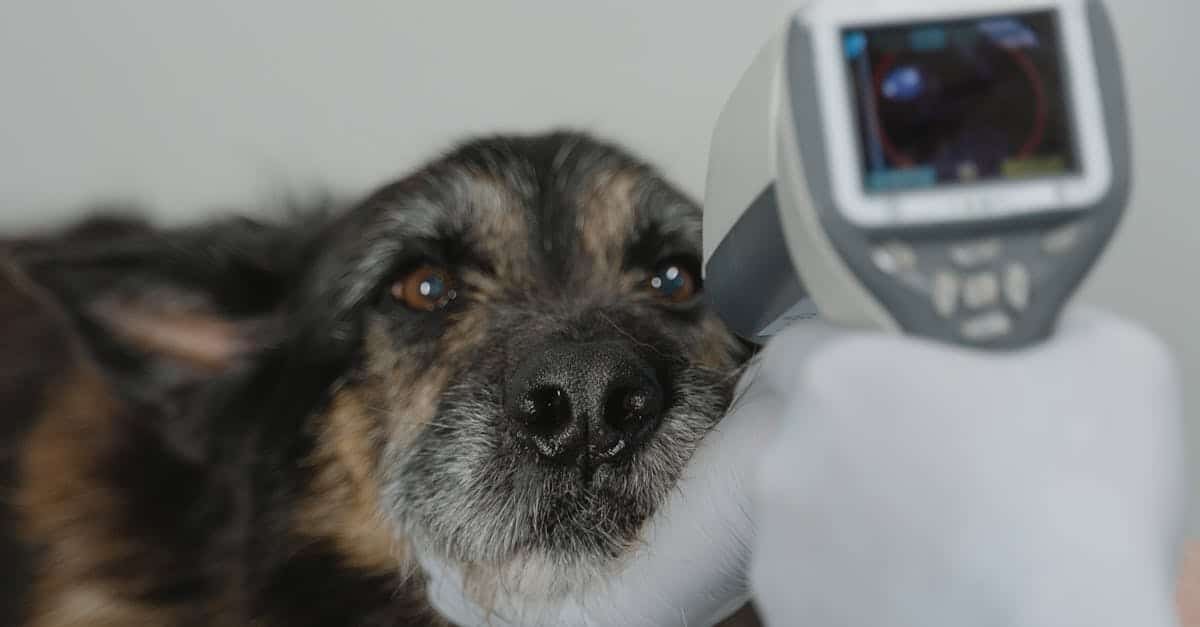
3. Temporal/Forehead Thermometers (Non-Contact Infrared)
These devices measure the temperature from the dog’s forehead or skin surface.
- Pros: Completely non-invasive, no physical contact required, making them the least stressful option.
- Cons: Generally considered the least accurate for core body temperature in dogs. Readings can be significantly influenced by ambient temperature, coat thickness, and blood flow to the skin surface. They might indicate a fever but often underestimate the true core temperature.
- Use Case: While not ideal for definitive diagnosis, they can be useful for initial screening or for dogs who absolutely cannot tolerate other methods, providing a general indication. Always confirm with a more accurate method if a concern arises.
Industry Trends & Innovation
The trend in pet health technology is moving towards less invasive, more user-friendly diagnostic tools. While digital rectal thermometers remain the most reliable, ongoing research aims to improve the accuracy and accessibility of ear and non-contact thermometers for pets. Smart pet wearables that monitor vital signs, including temperature, are also emerging, though their widespread adoption and diagnostic reliability for core temperature are still developing.
Expert Take: “While advancements in non-invasive temperature monitoring for pets are exciting, for the most accurate and reliable core body temperature reading, a well-calibrated digital rectal thermometer remains the gold standard in veterinary practice and home care. Accuracy is paramount when assessing a potentially sick animal.” – Leading Veterinary Researchers
Step-by-Step Guide: How to Take Your Dog’s Temperature (Rectal Method)
Given its superior accuracy, the rectal method is the one pet owners should master. With a little practice, patience, and the right approach, it can be a quick and relatively stress-free procedure for both you and your dog.
Preparation is Key:
1. Gather Your Supplies:
- Digital Rectal Thermometer: One specifically for pets or a human one with a flexible tip.
- Petroleum Jelly or Water-Based Lubricant: Essential for comfort and ease of insertion.
- Alcohol Wipes or Antiseptic Solution: For cleaning the thermometer before and after use.
- Paper Towels: For any messes.
- Treats: Plenty of your dog’s favorite high-value treats for positive reinforcement.
- Another Person (Optional but Recommended): An extra set of hands can help keep your dog calm and still.
2. Choose the Right Environment:
Find a quiet, familiar place where your dog feels secure and comfortable. Avoid distractions.
3. Positive Reinforcement:
Before you even bring out the thermometer, praise and reward your dog. This isn’t just about the temperature taking; it’s about building a positive association with the process.
The Technique:
1. Calm Your Dog:
Speak to your dog in a soothing voice. Offer treats and gentle petting. If your dog is anxious, take a few minutes for them to relax.
2. Position Your Dog:
- Small Dogs: You can often hold them in your lap, with their back against your chest, or gently on a table.
- Medium to Large Dogs: Have them stand or lie on their side. If you have a helper, one person can gently hold the dog’s head and offer treats, while the other handles the thermometer. If alone, consider kneeling beside your dog, gently wrapping an arm over their back to keep them steady.
3. Lubricate the Thermometer:
Apply a generous amount of petroleum jelly or water-based lubricant to the tip of the thermometer (about 1 inch).
4. Lift the Tail:
Gently lift your dog’s tail upwards, revealing the anus.
5. Insert the Thermometer:
With a steady, gentle motion, slowly insert the lubricated thermometer into the rectum, aiming slightly towards the belly. Insert it about 1 to 1.5 inches (2.5 to 4 cm) for most dogs, depending on their size. Do not force it.
6. Hold Still:
Keep the thermometer in place until it beeps (for digital thermometers), indicating the reading is complete. This usually takes between 10 to 60 seconds. Maintain a firm but gentle hold on the thermometer and your dog to prevent accidental movement or injury.
7. Read and Record:
Carefully remove the thermometer, read the temperature, and make a note of it.
8. Praise and Reward:
Immediately after removing the thermometer, lavish your dog with praise, petting, and several high-value treats. This helps create a positive end to the experience.
Cleaning the Thermometer:
After each use, clean the thermometer thoroughly with soap and water, then disinfect it with an alcohol wipe or an appropriate antiseptic solution. Store it safely for future use.
Expert Take: “Consistency and positive reinforcement are paramount when teaching your dog to tolerate temperature checks. Start with brief, positive interactions, associate the thermometer with treats, and always keep the experience as calm and rewarding as possible. This builds trust and makes future assessments much easier.” – Certified Professional Dog Trainers
Other Methods: Context and Limitations
While the rectal method provides the most accurate core temperature, other methods can offer supplementary information or serve as initial indicators.
Ear Thermometers:
If using an ear thermometer, ensure the probe is fully inserted into the horizontal ear canal. This requires lifting the ear flap and straightening the canal for proper placement. Readings can be affected by ear cleanliness or improper insertion. Always follow the manufacturer’s instructions for animal-specific ear thermometers. While less stressful, their accuracy can be variable compared to rectal readings.
“Touch Test” (Palpation):
Feeling your dog’s ears, nose, or armpits can give you a general idea, but it’s highly unreliable for an accurate temperature. A warm nose doesn’t necessarily mean a fever, and cool ears might not indicate hypothermia. Use this only as a very preliminary check to prompt a more accurate measurement if you suspect an issue.
When to Call the Vet: Beyond the Thermometer
Taking your dog’s temperature is an invaluable first step, but it’s crucial to know when that reading translates into a veterinary emergency or a necessary visit.
Call Your Vet Immediately If:
- Your dog’s temperature is 104°F (40°C) or higher. This is a high fever and requires urgent medical attention.
- Your dog’s temperature is below 99°F (37.2°C). This indicates significant hypothermia and is also a serious emergency.
- Your dog’s temperature is above 102.5°F (39.2°C) or below 100°F (37.8°C), and they are also exhibiting other concerning symptoms, such as:
- Severe lethargy or weakness
- Vomiting or diarrhea (especially if severe or bloody)
- Loss of appetite or refusal to drink water
- Difficulty breathing or persistent coughing
- Pale gums
- Trembling or shivering
- Pain or discomfort
- Any sudden behavioral changes
Situations Where Temperature Taking Becomes Critical:
- Post-Surgery Monitoring: After any surgical procedure, temperature fluctuations can occur. Monitoring helps ensure a smooth recovery.
- Monitoring Chronic Conditions: Dogs with chronic illnesses (e.g., autoimmune diseases, specific infections) may require regular temperature checks as part of their ongoing health management plan.
- Heatstroke or Frostbite Suspects: After exposure to extreme temperatures, knowing your dog’s temperature is vital for assessing the severity of heatstroke or hypothermia/frostbite.
It’s always better to err on the side of caution. If you are ever in doubt about your dog’s health, or if you get a concerning temperature reading, contact your veterinarian immediately. They can provide professional guidance, and if necessary, instruct you to bring your dog in for an examination.
Prevention and Proactive Care: Beyond the Crisis
The ability to take your dog’s temperature fits into a broader philosophy of proactive pet care. This approach emphasizes preventing illness, promoting overall wellness, and empowering pet owners with the knowledge and tools to provide the best possible care.
Regular Observation:
Beyond formal temperature checks, consistently observing your dog’s normal behavior, appetite, energy levels, and bathroom habits is essential. You are the first line of defense in noticing subtle changes that might indicate a problem.
Routine Veterinary Check-ups:
Annual or semi-annual veterinary visits are non-negotiable. These check-ups allow your vet to perform comprehensive physical exams, administer necessary vaccinations, and conduct preventive screenings that can catch issues early.
Balanced Nutrition and Exercise:
A high-quality diet tailored to your dog’s age, breed, and activity level, combined with regular exercise, strengthens their immune system and promotes overall vitality, making them more resilient to illness.
Stress Management:
Just like humans, dogs can be affected by stress. A calm, consistent home environment, regular routines, and adequate mental stimulation contribute to their emotional and physical well-being.
Expert Take: “The true benefit of mastering basic home care skills like temperature taking lies in empowering pet owners to be active partners in their pet’s health. This proactive engagement, combined with regular veterinary care, is the cornerstone of lifelong wellness and early disease intervention.” – Dr. Sarah Miller, DVM
Connecting Pet Industry Developments to Practical Benefits
The pet industry is a dynamic sector, constantly innovating with new products and services aimed at enhancing pet health and owner convenience. The evolution of thermometers, for example, directly impacts how pet owners can manage their dog’s well-being.
- Advanced Digital Thermometers: The shift from glass mercury thermometers to rapid-read digital versions with flexible tips and large displays is a significant benefit. These improvements make the process quicker, safer (no mercury), and more comfortable for pets, encouraging owners to use them more readily when needed.
- The Rise of Telemedicine and Home Diagnostics: The increasing acceptance of telemedicine in veterinary care means that accurate home diagnostic tools, like a reliable thermometer, become even more critical. During a virtual consultation, providing an accurate temperature reading can help your vet determine if an in-person visit is necessary, potentially saving time, stress, and resources.
- Pet Wellness Technology: While still nascent for core temperature, the broader trend of pet wearables and smart home devices for pets signifies a move towards continuous monitoring and data-driven insights. As these technologies mature, they promise even earlier detection of health anomalies, further integrating into a comprehensive pet wellness ecosystem.
These innovations highlight how the pet industry is working to support pet owners in providing advanced, personalized care. By understanding and utilizing these tools, owners can play a more significant role in maintaining their pets’ health and well-being.
Fact or Fiction: Can Dogs Have PTSD?
FAQ: Frequently Asked Questions
Q: What is a normal temperature for a dog?
A: A healthy adult dog’s normal body temperature ranges between 101°F and 102.5°F (38.3°C to 39.2°C).
Q: What kind of thermometer should I use for my dog?
A: A **digital rectal thermometer** is considered the gold standard for accuracy in dogs. Look for one designed for pets or a human rectal thermometer with a flexible tip and quick readout.
Q: How do I take my dog’s temperature rectally?
A: Lubricate a digital rectal thermometer with petroleum jelly. Gently lift your dog’s tail and insert the thermometer about 1 to 1.5 inches into the rectum, aiming slightly towards the belly. Hold it steady until it beeps. Always use positive reinforcement and treats.
Q: When should I call the vet about my dog’s temperature?
A: Call your vet immediately if your dog’s temperature is **104°F (40°C) or higher**, **below 99°F (37.2°C)**, or if they have a fever or low temperature accompanied by other concerning symptoms like lethargy, vomiting, or difficulty breathing.
Q: Are ear or temporal thermometers accurate for dogs?
A: Ear (tympanic) thermometers can be less accurate than rectal ones if not positioned correctly. Temporal/forehead (non-contact infrared) thermometers are generally the least accurate for a dog’s core body temperature and should primarily be used for initial screening, with concerns confirmed by a rectal reading.
Cat Loves Little Girl Because of This Reason
Conclusion: Your Role as a Pet Health Advocate
Knowing how to take your dog’s temperature is more than just a procedural task; it’s an act of informed care and responsibility. It provides you with an immediate, objective piece of data that can be the first clue to a developing health concern, enabling you to act swiftly and decisively. This skill empowers you to communicate effectively with your veterinarian, making you an essential partner in your dog’s healthcare journey.
As pet owners, we strive to give our dogs the happiest, healthiest lives possible. By mastering fundamental skills like temperature monitoring, staying informed about pet health advancements, and maintaining a proactive approach to wellness, you become a stronger advocate for your dog. So, take the time to acquire the right tools, practice the technique, and build a positive association for your dog. This simple yet profound skill will undoubtedly contribute to a lifetime of better health and peace of mind for both you and your cherished canine companion.