First-Time Pet Parent in 2026 Your Essential Guide to a Happy Home
Preparing Your Home for Your New Companion
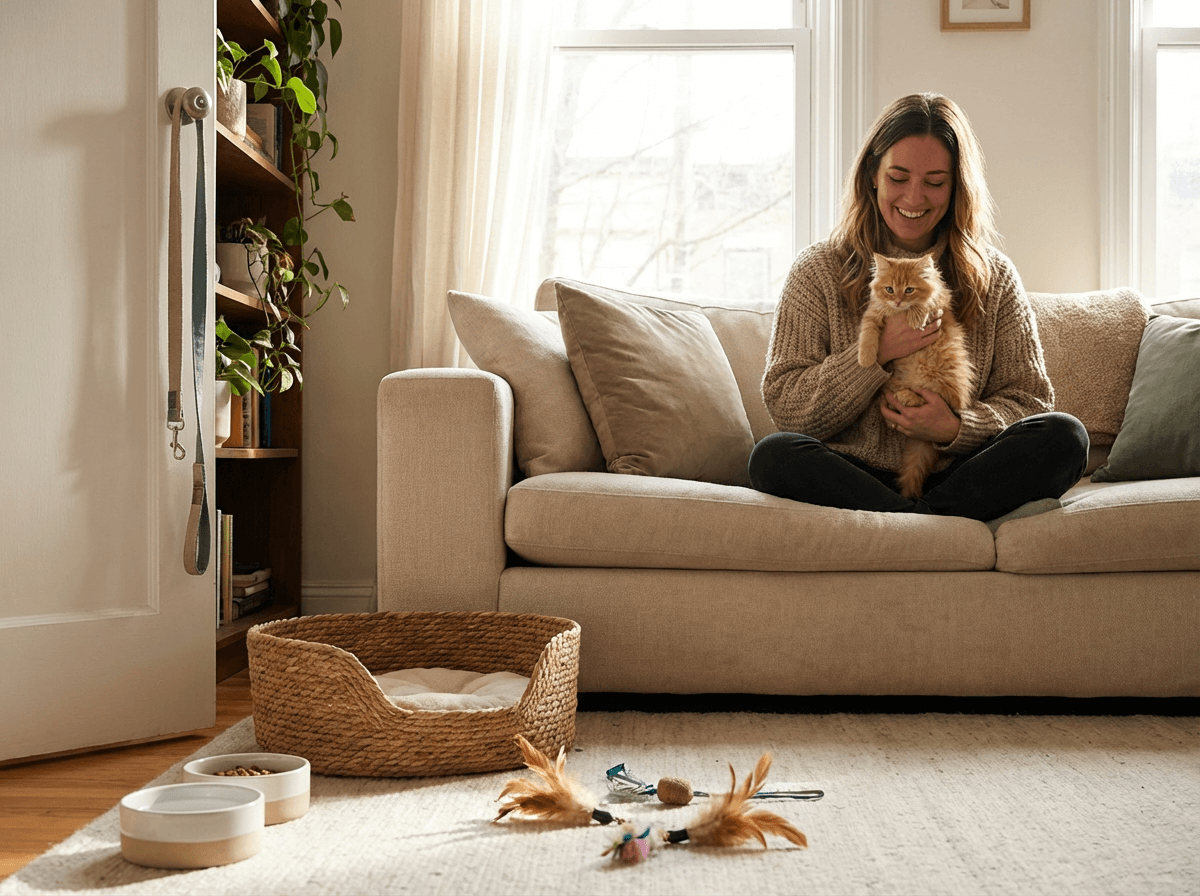
Welcoming a new pet into your home is a truly special moment. Before your furry, feathered, or scaled friend even steps paw inside, creating a safe, comfortable, and stimulating environment is paramount. This initial preparation sets the foundation for a smooth transition and a happy life together. It reduces stress for both you and your new arrival.
Creating a Safe Haven
Pet-proofing your home is the first critical step. Just like baby-proofing, it involves looking at your home from your pet’s perspective to identify potential hazards. This ensures their safety and your peace of mind. Every new pet owner should take this process seriously.
– Secure hazardous substances: Store all cleaning supplies, medications, and toxic plants out of reach. Many common houseplants are poisonous to pets.
– Block off unsafe areas: Use baby gates to restrict access to certain rooms or staircases, especially during the initial adjustment period.
– Hide electrical cords: Chewing on live wires can be fatal. Secure or cover loose cords to prevent accidents.
– Remove small, swallowable objects: Anything small enough to be ingested could pose a choking hazard or cause internal blockages. This includes items like rubber bands, paper clips, and children’s toys.
– Secure windows and doors: Ensure screens are sturdy and doors are always closed to prevent escapes. Some pets are surprisingly adept at opening doors.
Essential Supplies Checklist for the New Pet Owner
Having the right gear ready before your pet arrives will make their first days much smoother. This thoughtful preparation shows your new companion that you are ready for them. It ensures you won’t be scrambling for necessities.
– Food and Water Bowls: Choose sturdy, non-tip bowls. Stainless steel is often recommended for hygiene and durability.
– Appropriate Food: Consult with the shelter, breeder, or veterinarian about the best diet for your specific pet’s age, breed, and health needs. Gradual dietary changes are usually recommended.
– Collar/Harness and Leash: Essential for identification and walks, ensure it fits properly and is comfortable. For cats, a breakaway collar is safer.
– ID Tags: Include your name, phone number, and address. Consider microchipping as an additional layer of security.
– Bedding: A comfortable, washable bed provides a secure place for your pet to rest and feel safe. Consider multiple beds for different areas of the house.
– Crate or Carrier: Important for travel, vet visits, and can serve as a safe den for dogs. Ensure it’s the appropriate size.
– Toys: A variety of toys for mental stimulation, exercise, and to prevent boredom. Chew toys are especially important for puppies and kittens.
– Grooming Supplies: Brushes, nail clippers, pet-friendly shampoo, and toothpaste. Regular grooming is key to health and hygiene.
– Waste Management: Litter box and litter for cats; waste bags and appropriate disposal for dogs.
Choosing the Right Pet: More Than Just Cuteness
The decision to bring a pet into your life is significant and should be made with careful consideration. It’s about finding a companion whose needs and temperament align with your lifestyle. This thoughtful approach leads to a much more fulfilling relationship for both the new pet owner and the pet. A pet is a long-term commitment.
Understanding Your Lifestyle vs. Pet Needs
Different pets have vastly different needs regarding exercise, grooming, attention, and space. Being honest about your lifestyle is crucial for a successful match. This preliminary assessment helps avoid mismatches that can lead to stress or rehoming.
– Energy Levels: If you’re an avid runner, an active dog breed like a Border Collie might be a great fit. If you prefer a quieter lifestyle, a cat or a more sedate dog breed could be better.
– Time Commitment: Some pets, especially puppies and kittens, require significant time for training, socialization, and play. Consider how much time you genuinely have to dedicate each day.
– Living Space: Do you live in a small apartment or a house with a large yard? This will influence the size and energy needs of your potential pet. Large dogs need room to move, while cats can thrive in smaller spaces.
– Financial Resources: Pets come with ongoing costs, including food, vet care, grooming, and toys. Ensure you are prepared for these financial responsibilities. Pet insurance can help mitigate unexpected large expenses.
– Future Plans: Consider how a pet might impact future life changes, such as moving, starting a family, or career changes. Planning ahead is key.
Adoption Versus Responsible Breeding
There are two main avenues for acquiring a pet, each with its own advantages. Whether you adopt or buy from a breeder, responsible choices are essential. Every new pet owner should consider these options carefully.
– Adoption: Shelters and rescue organizations are full of wonderful animals needing forever homes. Adopting gives a second chance to a deserving pet and often comes with the benefit of the animal being spayed/neutered, vaccinated, and sometimes even microchipped. Shelter staff can also provide valuable insights into a pet’s personality and history.
– Responsible Breeding: If you have your heart set on a specific breed, choosing a responsible breeder is vital. A reputable breeder will prioritize the health and temperament of their animals, perform genetic testing, provide transparent health records, and offer ongoing support. They will also screen potential owners carefully. Avoid puppy mills or backyard breeders.
The First Few Weeks: Establishing Routine and Trust
The initial period after bringing a new pet home is crucial for building a strong bond and establishing good habits. Consistency, patience, and positive reinforcement are your best tools. A successful start ensures a harmonious living situation for years to come.
Building Bonds and Setting Boundaries
Your new pet needs to learn what is expected of them and, equally important, to trust you. This period involves a delicate balance of affection and discipline. Understanding your pet’s communication signals is key.
– Gradual Introduction: Introduce your new pet to other family members and existing pets slowly and under supervision. Ensure each interaction is positive.
– Positive Reinforcement: Reward desired behaviors with treats, praise, and affection. This helps your pet understand what you want them to do.
– Routine is Key: Establish a consistent schedule for feeding, potty breaks, playtime, and sleep. Pets thrive on predictability, which reduces anxiety.
– Safe Spaces: Ensure your pet has a designated safe space, like a crate or a bed, where they can retreat and feel secure. This is especially important for nervous pets.
– Gentle Discipline: Never use punishment or harsh methods. Instead, redirect unwanted behaviors and reward appropriate alternatives. For instance, if a puppy chews on furniture, offer a chew toy instead and praise them when they use it.
Early Training and Socialization for Every New Pet Owner
Training and socialization are ongoing processes, but the early weeks are critical for foundational learning. These experiences shape your pet’s behavior and confidence. This is where a proactive new pet owner shines.
– Potty Training: This is often the first and most immediate training priority. Take puppies out frequently, especially after waking, eating, and playing. Reward successful potty breaks. For cats, ensure the litter box is clean and accessible.
– Basic Commands: Start with simple commands like “sit,” “stay,” “come,” and “leave it.” These are not just tricks; they are vital for safety and control. Keep training sessions short, positive, and fun.
– Socialization: Expose your pet to a variety of sights, sounds, people, and other animals in a controlled, positive manner. This helps them develop into well-adjusted adults, preventing fear and aggression issues later on. For puppies and kittens, early socialization windows are critical.
– Leash Training: If you have a dog, begin leash training early. Start with short sessions indoors, gradually increasing duration and moving outdoors. Make it a positive experience with treats and praise.
– Crate Training: For dogs, a crate can be a valuable tool for potty training and providing a safe den. Introduce it gradually and make it a positive place with treats and comfortable bedding.
Health and Wellness: Proactive Care for Your Pet
A healthy pet is a happy pet, and proactive health care is a cornerstone of responsible pet ownership. From regular vet visits to proper nutrition and grooming, your diligence ensures your companion lives their best life. Every new pet owner must prioritize their pet’s well-being.
Finding Your Vet and Scheduling Check-ups
Establishing a relationship with a trusted veterinarian is one of the most important steps you’ll take as a pet owner. Your vet will be your primary partner in maintaining your pet’s health. Schedule a first visit shortly after bringing your pet home.
– Choosing a Vet: Look for a veterinarian who is compassionate, knowledgeable, and whose clinic is conveniently located. Ask for recommendations from friends, family, or local pet groups.
– Initial Exam: Your vet will perform a full physical exam, check for parasites, and discuss a vaccination schedule. This initial visit is also a great opportunity to ask any questions you have.
– Vaccinations: Core vaccinations protect your pet from common and often serious diseases. Your vet will recommend a vaccination schedule tailored to your pet’s age, species, and lifestyle.
– Parasite Prevention: Discuss year-round prevention for fleas, ticks, heartworm, and other internal parasites. These are crucial for your pet’s health and can prevent zoonotic diseases.
– Spaying/Neutering: Your vet will advise on the optimal timing for spaying or neutering, which offers significant health and behavioral benefits.
Nutrition and Exercise Fundamentals
A balanced diet and regular exercise are vital for your pet’s physical and mental health. These elements contribute significantly to their longevity and quality of life. Understanding these fundamentals helps a new pet owner make informed choices.
– Quality Diet: Choose a high-quality pet food appropriate for your pet’s age, breed, and activity level. Look for foods with real meat as the first ingredient and avoid excessive fillers. Consult your vet for specific recommendations.
– Portion Control: Overfeeding is a common problem leading to obesity. Follow feeding guidelines on pet food packaging and adjust based on your pet’s activity and body condition.
– Fresh Water: Always provide access to fresh, clean water. Change water daily and clean bowls regularly.
– Regular Exercise: The amount of exercise needed varies greatly by species and breed. Dogs typically require daily walks and playtime. Cats benefit from interactive play sessions. Exercise helps maintain a healthy weight, strengthens muscles, and provides mental stimulation.
– Mental Stimulation: Beyond physical exercise, engage your pet’s mind with puzzle toys, training sessions, and new experiences. This prevents boredom and destructive behaviors.
Leveraging Technology for Pet Health Monitoring
In 2026, technology offers incredible tools for pet owners to monitor their companions’ health, safety, and well-being. These smart gadgets can provide an extra layer of care and peace of mind. A savvy new pet owner might find these indispensable.
Comparison of Top Smart Gadgets for Pets
| Product | Price | Pros | Cons | Best For |
|---|---|---|---|---|
| Whistle Go Explore GPS Tracker | $99 + subscription | Real-time GPS tracking, activity monitor, health insights, long battery life. | Requires monthly subscription for full features. | Adventure-loving dogs, escape artists, health monitoring. |
| Petcube Bites 2 Lite Treat Dispenser & Camera | $199 | HD camera with night vision, two-way audio, treat tossing, smart alerts. | Treat dispenser can sometimes jam with certain kibble sizes. | Owners who want to interact with pets remotely, monitor separation anxiety. |
| Furbo Dog Camera | $169 | Full HD camera, barking alerts, treat tossing, two-way audio. | Specifically designed for dogs, no cat-specific features. | Dog owners needing remote interaction, training reinforcement. |
| SureFeed Microchip Pet Feeder | $149 | Prevents food stealing by other pets, controls portion sizes, works with microchips. | Requires batteries, can be pricey for multiple pets. | Multi-pet households, pets on specific diets, preventing overeating. |
Beyond the Basics: Advanced Tips for a Thriving Pet Home
Once the initial adjustments are made, and basic routines are established, you can focus on enriching your pet’s life even further. These advanced tips go beyond daily care to ensure a truly thriving pet home. Every dedicated new pet owner will find value in these strategies.
Emergency Preparedness and Pet Insurance
Being prepared for the unexpected is a hallmark of responsible pet ownership. Emergencies can happen, and having a plan in place can make all the difference. This includes both medical and general disaster preparedness.
– Pet First-Aid Kit: Assemble a kit with bandages, antiseptic wipes, sterile saline solution, tweezers, and pet-specific medications recommended by your vet.
– Emergency Contacts: Keep your vet’s number, the nearest 24-hour emergency vet clinic’s number, and animal poison control numbers readily accessible.
– Disaster Plan: Include your pet in your family’s disaster preparedness plan. Have a grab-and-go bag for your pet with food, water, medications, medical records, and a carrier. Identify pet-friendly shelters or hotels in case of evacuation.
– Pet Insurance: Consider enrolling in pet insurance. It can significantly reduce the financial burden of unexpected illnesses or accidents, allowing you to prioritize your pet’s health without financial stress. Research different providers and plans to find the best fit for your needs and budget.
Continuing Education and Enrichment
Learning doesn’t stop after puppy or kittenhood. Ongoing education and enrichment are vital for your pet’s happiness and your bond. A truly committed new pet owner understands this lifelong journey.
– Advanced Training: Explore advanced obedience classes, agility, scent work, or trick training. These activities strengthen your bond, provide mental stimulation, and build your pet’s confidence.
– Regular Enrichment: Rotate toys, provide new puzzles, and engage in varied walks or play sessions. Even cats benefit from new climbing structures, window perches, and interactive play.
– Pet-Friendly Outings: Take your pet to pet-friendly parks, cafes, or stores. Exposure to new environments and experiences keeps them engaged and helps them remain well-socialized. Always ensure your pet is comfortable and safe in new settings.
– Staying Informed: Keep up-to-date with the latest in pet care, nutrition, and training methods. Follow reputable animal welfare organizations and veterinary resources.
Becoming a first-time pet parent in 2026 is an incredibly rewarding experience, full of learning and unconditional love. By thoroughly preparing your home, understanding your pet’s needs, establishing clear routines, prioritizing their health, and continuing to enrich their lives, you lay the groundwork for a beautiful and lasting companionship. Remember, patience, consistency, and love are the most powerful tools in your arsenal. The bond you build will truly transform your life.
Frequently Asked Questions (FAQ)
How much does it cost to own a pet annually?
The annual cost of pet ownership varies significantly based on the type, size, and health of your pet, as well as your lifestyle. Generally, dogs can cost anywhere from $1,000 to $3,000+ per year, while cats typically range from $800 to $2,000+. These estimates include food, routine vet care, toys, and grooming. Unexpected medical emergencies can add substantially to these figures, making pet insurance a wise consideration for any new pet owner.
How long does it take for a new pet to adjust to a new home?
The adjustment period for a new pet can range from a few days to several months, depending on the individual animal’s personality, past experiences, and the consistency of the new environment. Some pets acclimate quickly, while others may need more time to feel secure and comfortable. Providing a consistent routine, a safe space, and plenty of positive reinforcement can help speed up the process. Patience is key for every new pet owner during this transition.
What should I do if my new pet is not eating?
If your new pet isn’t eating, first ensure they have access to their regular food and fresh water in a quiet, accessible location. Stress from a new environment can sometimes cause temporary appetite loss. If they still refuse food after 24 hours, or show other symptoms like lethargy, vomiting, or diarrhea, contact your veterinarian immediately. It’s also helpful to keep track of their water intake, as dehydration can be a serious concern.
Can I travel with my new pet?
Traveling with a new pet requires careful planning and preparation. Always consult your veterinarian to ensure your pet is healthy enough for travel and to get necessary health certificates or vaccinations, especially for air travel or international trips. Research pet-friendly accommodations and transportation options in advance. For shorter trips, a comfortable carrier and familiar items can help reduce stress for your pet.
References and Further Reading
- ASPCA Pet Care Resources
- The Humane Society of the United States: Pet Care
- American Kennel Club: Dog Ownership Resources