7 Simple Tricks to Make Your Dog a Star Performer by 2026
✅Unlocking Your Dog’s Full Potential
Do you dream of a well-behaved canine companion who impresses everyone with their manners and skills? With the right approach and a sprinkle of patience, that dream is entirely achievable. Effective dog training isn’t just about teaching tricks; it’s about building a strong bond, fostering clear communication, and ensuring your furry friend is a happy, confident member of your family. These seven simple tricks will put you on the fast track to making your dog a star performer by 2026.
✅Trick 1➖ Master the Basics with Positive Reinforcement
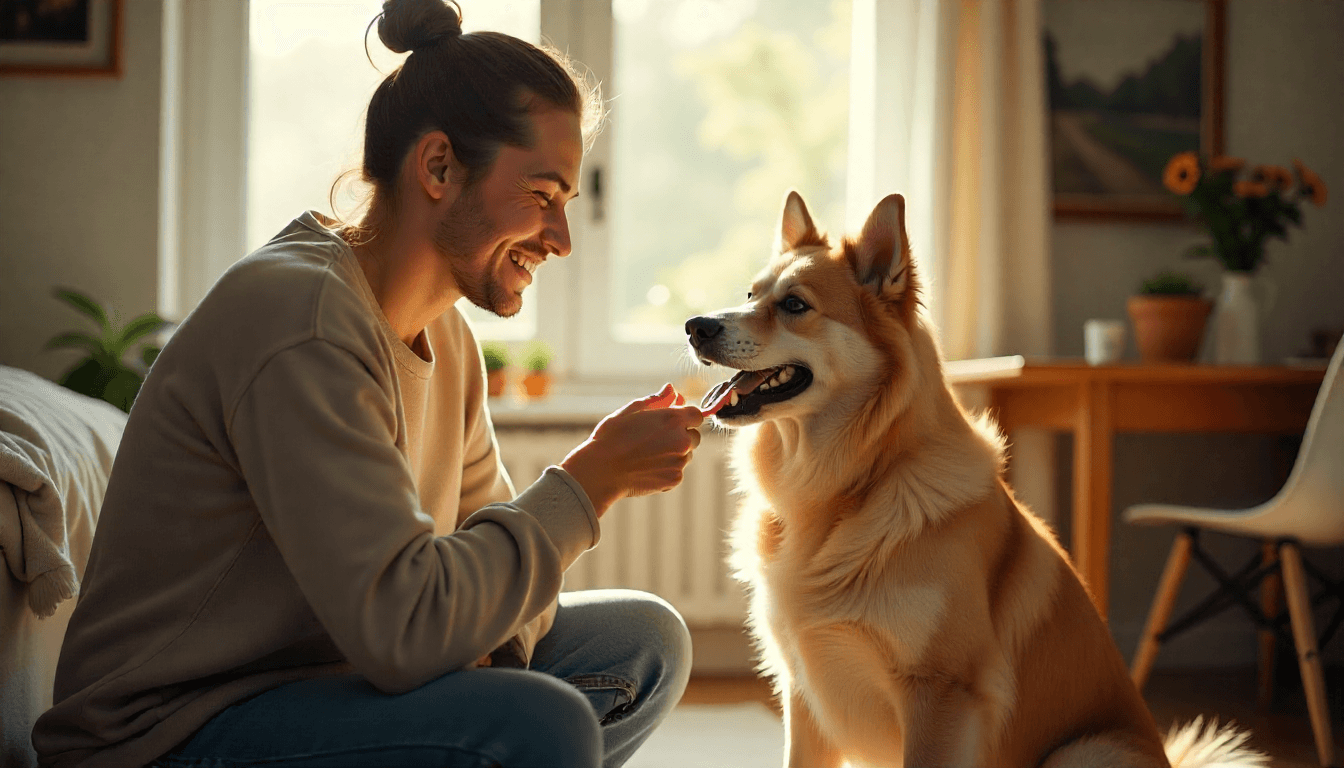
The foundation of all successful dog training lies in positive reinforcement. This method focuses on rewarding desired behaviors, making your dog more likely to repeat them. Instead of punishing mistakes, we celebrate successes, which builds confidence and a strong working relationship.
The Power of Rewards
Understanding what motivates your dog is crucial. For some, it’s high-value treats; for others, it’s a favorite toy or enthusiastic praise. Experiment to find your dog’s ultimate reward. Always deliver the reward immediately after the desired action so your dog connects the behavior with the positive outcome.
A study by the Journal of Veterinary Behavior found that dogs trained with positive reinforcement methods showed fewer problem behaviors and higher obedience levels compared to those trained using aversive techniques. This highlights the long-term benefits of making training a positive experience.
Key Commands to Practice
- Sit▶ Hold a treat above your dog’s head and move it back, causing them to sit naturally. Say “Sit” as their bottom touches the ground.
- Stay▶ Once your dog is in a sit or down position, say “Stay” and take a step back. If they remain, reward them. Gradually increase distance and duration.
- Come▶ This command is vital for safety. Start in a quiet area, say “Come” enthusiastically, and reward them when they reach you. Make coming to you the most rewarding thing they can do.
- Down▶ Lure your dog into a down position by holding a treat from their nose to the floor and slowly moving it forward. Say “Down” as they lie.
✅Trick 2➖ Consistency is Key for Lasting Habits
Imagine trying to learn a new skill if the rules changed every day. Your dog feels the same way! Consistency across all aspects of dog training is paramount for your pet to understand what’s expected of them and to solidify good habits.
Establish a Clear Routine
Dogs thrive on routine. Set predictable schedules for feeding, potty breaks, walks, and training sessions. This structure reduces anxiety and helps them anticipate what comes next, making them more receptive to learning.
Every member of your household should use the same commands and reward system. If one person allows jumping on guests while another corrects it, your dog will become confused. Hold family meetings to ensure everyone is on the same page.
Short, Frequent Training Sessions
Marathon training sessions can overwhelm your dog and lead to frustration. Instead, aim for multiple short sessions throughout the day, typically 5-10 minutes each. This keeps your dog engaged and makes learning enjoyable. Regular, consistent practice reinforces learning much more effectively than infrequent, long sessions.
✅Trick 3➖ Advanced Obedience and Engaging Games
Once your dog has mastered the basic commands, it’s time to elevate their skills and keep their minds active. Advanced obedience challenges and engaging games not only strengthen their understanding but also provide crucial mental stimulation.
Building on the Basics
👉Teach more complex commands like “heel,” “place,” or “fetch specific items.” These build on the fundamental commands and require more focus and problem-solving from your dog. Utilize various environments, gradually introducing distractions to test and solidify their training.
👉Interactive games are an excellent way to apply their dog training in a fun context. Hide-and-seek, where your dog uses their nose to find you, or structured tug-of-war (with clear “take it” and “leave it” commands) can be incredibly rewarding and mentally stimulating.
Introduction to Canine Sports and Puzzles
Consider exploring canine sports like agility, rally obedience, or scent work. These activities provide an outlet for your dog’s natural instincts and energy, transforming them into truly well-rounded performers. Puzzle toys that dispense treats when manipulated are also fantastic for keeping their minds sharp, especially on days when outdoor exercise might be limited.
✅Trick 4➖ The Power of Socialization and Exposure
A well-adjusted dog is a confident dog, and confidence is a cornerstone of star performance. Proper socialization and exposure to a variety of sights, sounds, people, and other animals are critical for preventing fear, anxiety, and reactivity.
Early and Ongoing Exposure
For puppies, the critical socialization window is generally between 3 to 16 weeks of age. During this time, introduce them to as many new, positive experiences as possible. This includes different surfaces, noises (e.g., vacuum cleaners, doorbells), people of various ages and appearances, and other vaccinated, friendly dogs.
Socialization isn’t just for puppies; it’s a lifelong process. Continue to expose your adult dog to new experiences in a controlled, positive manner. This helps maintain their adaptability and prevents them from becoming overly fearful or defensive in unfamiliar situations.
Structured Social Interactions
- Puppy Classes▶ Enroll your puppy in well-run puppy classes where they can safely interact with other puppies and learn basic manners.
- Supervised Dog Parks▶ Choose dog parks carefully and only go during off-peak hours initially. Ensure your dog has good recall before letting them off-leash in an unfamiliar environment.
- Positive Encounters▶ Arrange controlled playdates with known, friendly dogs. Always monitor interactions closely to ensure they remain positive.
- Public Outings▶ Take your dog on leashed walks in various public places (pet-friendly stores, parks, outdoor cafes) to expose them to new sights and sounds while practicing good leash manners.
✅Trick 5➖ Harnessing Technology for Smarter Dog Training
The modern world offers an array of innovative tools that can significantly enhance your dog training efforts. From smart feeders to remote cameras and advanced collars, technology can provide convenience, data, and new ways to communicate with your canine companion.
Smart Gadgets for Enhanced Learning
These gadgets can help reinforce positive behaviors, manage separation anxiety, or simply keep your dog entertained and mentally stimulated when you’re not around. They can provide consistency in feeding schedules or even allow for remote interaction, making your dog’s solo time more enriching.
Comparison of Top Smart Gadgets for Dog Training
| Product | Price | Pros | Cons | Best For |
|---|---|---|---|---|
| Furbo Dog Camera | $199 | Tosses treats remotely, two-way audio, barking alerts | Requires Wi-Fi, subscription for advanced features | Anxious dogs, remote interaction |
| PetSafe Smart Feed | $169 | Schedule up to 12 meals/day, slow feed option, remote feeding | Can be complex to set up, only works with dry kibble | Portion control, consistent feeding schedules |
| FitBark GPS Tracker | $99 + subscription | Activity/sleep tracking, GPS location, monitor health | Monthly subscription fee, battery life varies | Monitoring health, active dogs, escape artists |
| Wagz Freedom Collar | $299 | GPS virtual fence, activity tracking, no-shock humane corrections | High initial cost, learning curve for virtual fence setup | Yard containment, advanced tracking, humane training |
While technology offers amazing advantages, remember it’s a supplement, not a replacement, for hands-on dog training. Always prioritize direct interaction and positive reinforcement when using these tools.
✅Trick 6➖ Nutrition, Health, and Well-being
A dog cannot perform at their best if they are not feeling their best. Optimal nutrition, excellent physical health, and adequate mental stimulation are fundamental pillars that support all aspects of successful dog training and overall well-being.
The Impact of Diet
💡What your dog eats directly affects their energy levels, focus, and even behavior. A high-quality, balanced diet provides the necessary nutrients for a healthy brain and body. Avoid foods with excessive fillers, artificial colors, or preservatives, which can sometimes contribute to hyperactivity or lethargy.
💡Consider consulting with your veterinarian or a canine nutritionist to ensure your dog’s diet is appropriate for their age, breed, activity level, and any specific health needs. A well-fed dog is a more attentive and trainable dog.
Regular Vet Check-ups and Exercise
Preventative veterinary care is essential. Regular check-ups can catch potential health issues early, which might be impacting your dog’s ability to learn or perform. Pain or discomfort can significantly hinder training progress, so rule out any underlying medical conditions.
- Physical Exercise➡ Ensure your dog gets enough breed-appropriate physical exercise daily. Pent-up energy often translates into destructive behavior or difficulty focusing during training.
- Mental Stimulation➡ Beyond structured dog training, provide opportunities for mental exercise, such as scent games, puzzle toys, or even just exploring new walking routes. A tired mind and body make for a happy and well-behaved dog.
✅Trick 7➖ Patience, Persistence, and Professional Guidance
Even with the best intentions and techniques, dog training can present challenges. There will be setbacks, plateaus, and moments of frustration. The final, and perhaps most crucial, trick is to arm yourself with patience, exhibit unwavering persistence, and know when to seek professional guidance.
Embrace the Journey, Not Just the Destination
💡Remember that every dog learns at their own pace. What works for one dog might not work for another. Celebrate small victories and avoid comparing your dog’s progress to others. A positive attitude from you is contagious and will encourage your dog.
💡Persistence is about showing up consistently, even on difficult days. It’s about breaking down complex behaviors into tiny, manageable steps and rewarding each successful increment. Never give up on your dog; they are always trying their best to understand you.
When to Call in the Experts for Dog Training
👉There’s absolutely no shame in seeking help from a professional dog trainer or a veterinary behaviorist. In fact, it’s a sign of a responsible pet owner dedicated to their dog’s success. If you encounter persistent behavioral issues (aggression, severe anxiety, house-soiling problems) that you can’t resolve on your own, or if you simply want to advance your dog’s skills further, a professional can provide tailored strategies and support. They can often spot subtle cues or suggest techniques you might not have considered, accelerating your dog’s journey to becoming a star performer.
👉By implementing these seven simple yet powerful tricks, you’re not just training a dog; you’re building a deeper bond, fostering mutual respect, and setting your furry friend on a path to becoming the impressive, well-mannered companion you always dreamed of by 2026.
📑Frequently Asked Questions (FAQ)
How long does it take to train a dog?
The time it takes to train a dog varies greatly depending on the dog’s age, breed, individual personality, and the owner’s consistency. Basic obedience can be learned in a few weeks or months, while advanced behaviors and addressing specific issues can take much longer. It’s an ongoing process throughout a dog’s life.
Is it ever too late to start dog training?
No, it’s never too late to start training a dog. While puppies are often easier to train due to their developing brains, adult dogs and even senior dogs can learn new commands and behaviors. Consistency, patience, and adapting training methods to their individual needs are key, regardless of age.
What if my dog isn’t food motivated?
If your dog isn’t food motivated, explore other high-value rewards such as favorite toys, enthusiastic praise, a quick game of tug, or even a brief walk outside. Observe what your dog enjoys most and use that as your primary motivator. Some dogs respond better to specific types of treats, so try different options like cheese, cooked meat, or commercial high-value treats.
How often should I train my dog?
For optimal results, aim for multiple short dog training sessions throughout the day, typically 5-10 minutes each. This keeps your dog engaged and prevents them from becoming bored or overwhelmed. Consistency is more important than duration, so daily short sessions are more effective than one long, infrequent session.
📑References and Further Reading
- American Kennel Club – Dog Training Resources
- ASPCA – Common Dog Behavior Issues
- K9 of Mine – Guide to Positive Reinforcement