
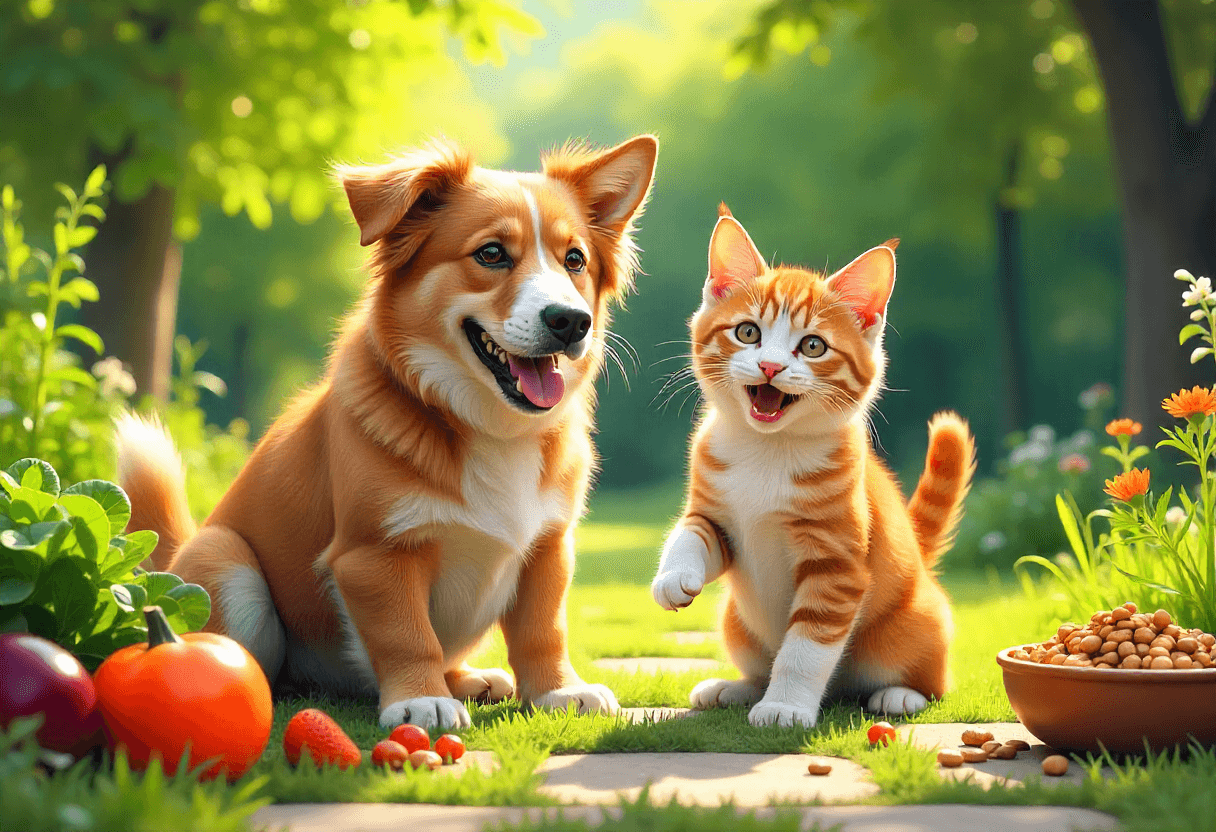
7 Secret Ways to Boost Your Pet’s Immunity for a Happy 2026
As pet parents, we all want our furry, scaly, or feathered companions to thrive, full of energy and free from illness. A robust immune system is the ultimate shield against everyday threats, from common colds to more serious infections. Understanding and actively enhancing your pet’s immunity is not just about reacting to sickness, but proactively building a foundation for long-term health and vitality. This protective system, often taken for granted, works tirelessly behind the scenes to keep your beloved pet happy and active throughout 2025 and beyond.
A strong pet immunity can significantly reduce vet visits, improve recovery times, and ensure your pet enjoys a higher quality of life. Think of their immune system as their personal army, constantly defending against invaders. When this army is well-equipped and trained, it can ward off potential threats more effectively, leading to fewer sick days and more joyful moments. Let’s explore some less-talked-about, yet incredibly effective, strategies to bolster your pet’s natural defenses.
1. Optimize Their Diet with Whole, Nutrient-Dense Foods
The foundation of a strong immune system for any creature, including our pets, begins with what they eat. Many commercial pet foods, while convenient, can be loaded with fillers, artificial preservatives, and by-products that offer little nutritional value. These ingredients can actually put a strain on their digestive system, which is intimately linked to pet immunity.
Transitioning to a diet rich in whole, unprocessed foods can make a profound difference. This doesn’t necessarily mean raw feeding, which requires careful research and professional guidance, but rather opting for high-quality kibble with real meat as the primary ingredient, or incorporating cooked whole foods into their meals. Look for ingredients you recognize, such as chicken, beef, fish, eggs, and a variety of vegetables and fruits.
The Power of Antioxidants and Omega-3s
Antioxidants are crucial for neutralizing free radicals that can damage cells and weaken the immune response. Colorful fruits and vegetables like blueberries, carrots, and spinach are packed with these beneficial compounds. Incorporating them into your pet’s diet, even in small amounts, can offer significant support.
Omega-3 fatty acids, found in fish oil, flaxseed, and certain nuts, possess powerful anti-inflammatory properties. Chronic inflammation can suppress pet immunity, making them more susceptible to illness. A balanced intake of Omega-3s can help mitigate this, promoting overall cellular health and a stronger defense system.
– Wild-caught salmon or sardines (cooked and deboned) can be a great source of Omega-3s.
– A sprinkle of ground flaxseed can boost fiber and Omega-3 content.
– Always introduce new foods slowly to avoid digestive upset and consult your vet.
2. Gut Health: The Unsung Hero of Pet Immunity
Did you know that a significant portion of your pet’s immune system resides in their gut? A healthy gut microbiome – the community of beneficial bacteria living in their digestive tract – is absolutely critical for robust pet immunity. When the gut flora is out of balance, it can lead to a host of issues, from digestive upset to weakened defenses against pathogens.
Poor gut health can result in a “leaky gut” phenomenon, where toxins and undigested food particles can pass into the bloodstream, triggering an inflammatory immune response. This constant state of alert diverts immune resources from fighting real threats, leaving your pet more vulnerable.
Probiotics and Prebiotics for a Happy Tummy
Probiotics are live beneficial bacteria that, when administered in adequate amounts, confer a health benefit on the host. Think of them as reinforcements for your pet’s gut army. They help maintain a healthy balance, aid in nutrient absorption, and directly communicate with immune cells.
Prebiotics are non-digestible food ingredients that stimulate the growth and activity of beneficial bacteria. They act as “food” for the good bacteria already present, helping them to flourish. Many fruits, vegetables, and whole grains contain natural prebiotics.
– Look for pet-specific probiotic supplements, as human probiotics may not have the right strains for animals.
– Fermented foods like plain, unsweetened yogurt or kefir (in moderation) can be a natural source of probiotics.
– Fiber-rich foods such as pumpkin, sweet potato, and oats can act as prebiotics.
3. Strategic Supplementation to Bolster Defenses
Even with an optimal diet, there might be gaps in your pet’s nutritional intake or specific needs that require extra support. Strategic supplementation can be a powerful way to specifically target and enhance pet immunity, providing an extra layer of protection, especially during times of stress, illness, or seasonal changes.
It’s crucial to consult your veterinarian before starting any new supplement regimen to ensure it’s appropriate for your pet’s specific health profile and doesn’t interfere with any medications. The right supplements can significantly boost their natural defenses.
Key Immunity-Boosting Supplements
Omega-3 Fatty Acids
As mentioned, these are vital for reducing inflammation and supporting overall cellular health. Fish oil, rich in EPA and DHA, is particularly effective. Ensure the product is third-party tested for purity and heavy metals.
Probiotics
These living microorganisms are essential for maintaining a healthy gut microbiome, which directly influences immune function. A daily probiotic can help optimize digestion and nutrient absorption, strengthening pet immunity from within.
Mushrooms (e.g., Reishi, Turkey Tail)
Certain medicinal mushrooms are known adaptogens and immune modulators. They contain compounds like beta-glucans that can activate various immune cells. Always choose pet-specific formulas from reputable brands.
Vitamin C
While dogs and cats produce their own Vitamin C, supplemental amounts can be beneficial during periods of stress or illness. It’s a powerful antioxidant that supports immune cell function.
Colostrum
Bovine colostrum, the first milk produced by cows, is rich in immunoglobulins and growth factors. It can help strengthen the gut barrier and provide passive immunity, especially for younger or immune-compromised pets.
Choosing the Right Supplements: A Comparison
Comparison of Popular Pet Immunity Supplements
| Product | Price | Pros | Cons | Best For |
|---|---|---|---|---|
| Nutramax Dasuquin with MSM Chewables | $40-$70 | Combines joint support with immune benefits. High quality ingredients. | Can be pricey, large chewable size might deter some pets. | Older pets or those needing joint + immune support. |
| Zesty Paws Aller-Immune Bites | $25-$40 | Palatable, targets allergies and immune response. Contains probiotics, omegas, colostrum. | Requires consistent daily use, results may vary by pet. | Pets with seasonal allergies or mild immune issues. |
| NOW Pets Immune Support | $20-$35 | Contains mushroom extracts, arabinogalactan, and vitamin C. Good value. | Powder form might be less appealing than chewables for some pets. | General immune boosting, support during stress. |
| Adored Beast Healthy Gut Digestive Enzymes & Probiotics | $35-$50 | Comprehensive gut health formula, directly impacting immunity. Human-grade ingredients. | Powder form, specific focus on gut, not broad immune. | Pets with digestive sensitivities or needing gut microbiome support. |
4. The Power of Regular Exercise and Mental Stimulation
Physical activity isn’t just about maintaining a healthy weight; it’s a critical component of strong pet immunity. Regular exercise helps to circulate immune cells throughout the body, making them more efficient at detecting and neutralizing pathogens. It also reduces stress, which is a known suppressor of the immune system.
Just like humans, pets need an appropriate amount of exercise tailored to their age, breed, and health condition. A sedentary lifestyle can lead to obesity, inflammation, and a sluggish immune response. Even short, consistent bursts of activity can make a huge difference.
Beyond Physical Activity: Mental Wellness
Mental stimulation is equally important for overall well-being and, by extension, immune health. Boredom and lack of enrichment can lead to stress, anxiety, and even destructive behaviors, all of which can negatively impact pet immunity. Engaging your pet’s mind helps keep them happy and balanced.
– Daily walks, playtime, or fetch sessions appropriate for their energy level.
– Interactive toys, puzzle feeders, and training sessions to challenge their minds.
– Socialization with other well-vaccinated pets can boost confidence and reduce anxiety.
– Consider dog sports like agility or nose work for highly energetic or intelligent breeds.
– For cats, regular playtime with wand toys, climbing structures, and hiding spots are essential.
5. Minimize Exposure to Environmental Toxins and Stressors
In our modern world, pets are exposed to a myriad of environmental toxins, both indoors and outdoors. These toxins can place a constant burden on their immune system, forcing it to work overtime to detoxify the body. Reducing this toxic load is a key, yet often overlooked, strategy to enhance pet immunity.
Consider the chemicals used in your home, yard, and even on your pet’s body. Many common household cleaners, pesticides, and even some pet care products contain ingredients that can be harmful when inhaled, ingested, or absorbed through the skin. Chronic exposure to these can lead to inflammation and suppress their natural defenses.
10 Essential Facts About Rottweiler Puppies: Training, Care & Health Tips You Must Know
Creating a Low-Toxin Home Environment
– Opt for natural, non-toxic cleaning products. Many readily available brands use plant-based ingredients that are safer for pets and humans.
– Avoid chemical air fresheners and scented candles, which can release volatile organic compounds (VOCs).
– Be mindful of pesticides and herbicides used in your yard or local parks where your pet roams. Consider organic lawn care alternatives.
– Choose pet beds, toys, and bowls made from natural, non-toxic materials. Stainless steel or ceramic bowls are preferable to plastic.
– Ensure proper ventilation in your home, especially after cleaning or painting, to reduce indoor air pollution.
Managing Stress for Better Immunity
Stress, whether chronic or acute, has a profound impact on the immune system. Pets can experience stress from changes in routine, new environments, loud noises, separation anxiety, or even perceived threats. Cortisol, the stress hormone, can suppress immune cell function.
– Establish a consistent routine for feeding, walks, and playtime.
– Provide a safe, quiet space where your pet can retreat and feel secure.
– Use calming aids like pheromone diffusers, calming treats, or anxiety vests if needed.
– Positive reinforcement training helps build confidence and reduces anxiety.
– For pets prone to anxiety, consider consulting a professional trainer or veterinary behaviorist.
6. Prioritize Quality Sleep and Rest
Sleep is a fundamental biological need for all animals, and our pets are no exception. During sleep, the body performs crucial repair and regeneration processes, and the immune system gets a chance to regroup and strengthen its defenses. A lack of quality sleep can lead to chronic fatigue, increased stress, and a significantly compromised pet immunity.
Just like humans, pets need uninterrupted rest in a comfortable, safe environment. The amount of sleep varies by species, age, and activity level. Puppies and kittens, as well as senior pets, generally require more sleep than adult animals.
Ensuring Optimal Rest for Your Pet
– Provide a comfortable, supportive bed in a quiet area where your pet feels safe and undisturbed.
– Maintain a consistent daily routine, including regular bedtimes and wake-up times, to help regulate their natural sleep cycles.
– Ensure they have adequate exercise during the day to promote restful sleep at night.
– Minimize disruptions during their sleep periods. Avoid waking them unnecessarily.
– If your pet seems to be restless or struggling to sleep, consult your vet to rule out underlying health issues or pain.
7. Regular Veterinary Check-ups and Preventative Care
While the focus here is on natural ways to boost pet immunity, it’s vital to remember that a strong partnership with your veterinarian is paramount. Regular check-ups allow for early detection of potential health issues, ensuring that any problems are addressed before they compromise the immune system significantly. This preventative approach is a cornerstone of long-term pet health.
Vaccinations, while sometimes debated, play a crucial role in preparing your pet’s immune system for specific, often life-threatening diseases. They introduce weakened or inactive forms of pathogens, allowing the immune system to build antibodies without causing the actual illness. Discuss a tailored vaccination schedule with your vet based on your pet’s lifestyle and risk factors.
The Benefits of Preventative Care
– **Vaccinations:** Essential for protecting against common and dangerous infectious diseases. A strong pet immunity depends on this targeted protection.
– **Parasite Control:** Regular deworming and flea/tick prevention are crucial. Parasites can weaken the immune system, cause anemia, and transmit diseases.
– **Dental Health:** Poor dental hygiene can lead to bacterial infections that spread throughout the body, causing systemic inflammation and taxing the immune system.
– **Early Detection:** Annual or bi-annual wellness exams include physical assessments and sometimes blood work, which can catch subtle changes before they become serious problems.
– **Nutritional Guidance:** Your vet can provide personalized advice on diet and supplements tailored to your pet’s age, breed, and health needs, directly impacting their pet immunity.
By combining these preventative measures with the daily strategies discussed, you create a comprehensive approach to fortifying your pet’s immune system. This holistic care ensures they are not only prepared for potential threats but are also thriving with optimal health and vitality.
Nurturing your pet’s immunity is a journey that involves thoughtful choices in diet, environment, activity, and medical care. By implementing these seven secret ways, you’re not just reacting to potential illnesses, but actively building a resilient and vibrant life for your beloved companion. A strong immune system means more playful days, more joyful evenings, and fewer worries for you, ensuring a happy and healthy 2025 for your entire family. Start integrating these practices today and witness the incredible difference they can make in your pet’s overall well-being.
10 Best Healthy Dog Treats Your Pup Will Love in 2026
Frequently Asked Questions (FAQ)
Q: How quickly can I expect to see improvements in my pet’s immunity after making changes?
A: The timeline varies depending on the specific changes you implement and your pet’s initial health status. Dietary changes can show benefits in digestion and coat quality within weeks, while a stronger overall pet immunity may take several months to fully manifest. Consistency is key, and visible signs like increased energy, better coat health, and fewer minor illnesses are good indicators.
Q: Are natural immune boosters safe for all pets?
A: While many natural approaches are generally safe, it’s crucial to consult your veterinarian before introducing any new supplements, significant dietary changes, or intensive exercise regimens. What works for one pet might not be suitable for another, especially if they have pre-existing health conditions, allergies, or are on medication.
Q: Can my pet get too much of an immune boost?
A: Yes, in some cases, excessive immune stimulation can potentially be detrimental, particularly for pets with autoimmune conditions where the immune system mistakenly attacks the body’s own cells. This is another reason why veterinary guidance is essential to ensure any immune-boosting efforts are balanced and appropriate for your pet’s specific needs.
Q: What are the most common signs of a weak immune system in pets?
A: Common signs of a compromised pet immunity include frequent infections (ear infections, skin issues, respiratory problems), slow healing of wounds, chronic digestive upset, lethargy, poor coat quality, and recurrent allergies. If you notice any of these signs, it’s important to consult your veterinarian for diagnosis and treatment.
References and Further Reading
- American Veterinary Medical Association (AVMA) – The Pet’s Immune System
- PetMD – How to Strengthen Your Dog’s Immune System
- Cummings School of Veterinary Medicine at Tufts University – Do Probiotics Really Work for Pets?
- National Center for Biotechnology Information (NCBI) – The Gut Microbiota and Immune System in Pets
- The Humane Society of the United States – Safe Cleaning Products for Your Home