The Hidden Health Risks Every Maltipoo Owner Should Know
The Hidden Health Risks Every Maltipoo Owner Should Know
Key Takeaways
- Maltipoos, a charming Maltese-Poodle crossbreed, inherit genetic predispositions to health issues from both parent breeds, necessitating broad vigilance.
- Common health risks include orthopedic problems like patellar luxation (“wobbly knees”), widespread dental disease, and serious congenital conditions such as Portosystemic Shunt (PSS).
- Maltipoo puppies are particularly susceptible to hypoglycemia (low blood sugar), requiring diligent feeding schedules and quick intervention if symptoms arise.
- Respiratory concerns like tracheal collapse and various eye conditions, notably Progressive Retinal Atrophy (PRA), are also prevalent and require careful monitoring.
- Proactive care, encompassing regular veterinary check-ups, tailored nutrition, effective weight management, mental stimulation, and adherence to responsible breeding practices, is crucial for ensuring a Maltipoo’s long and healthy life.
Table of Contents
- Understanding the Maltipoo Genetic Legacy
- Key Health Risks to Watch For in Your Maltipoo
- Proactive Pet Care: Beyond Identifying Risks
- The Role of Responsible Breeding and Industry Advancements
- Empowering Maltipoo Owners
- Conclusion
- Frequently Asked Questions (FAQ)
The Maltipoo, a charming crossbreed blending the delightful characteristics of the Maltese and the Poodle, has soared in popularity, capturing hearts worldwide with their fluffy coats, expressive eyes, and vivacious personalities. These endearing companions are often celebrated for their generally sunny dispositions, intelligence, and a remarkable lifespan that can stretch from 12 to 15 happy years, sometimes even more. However, beneath their undeniably adorable exterior and playful antics, The Hidden Health Risks Every Maltipoo Owner Should Know lie within their genetic blueprint. Like any breed or crossbreed, Maltipoos come with their own unique set of predispositions and health considerations that every owner, aspiring owner, and even pet industry professional should be acutely aware of.
Understanding these potential health challenges isn’t about fostering anxiety; rather, it’s about empowering owners with the knowledge to provide the best possible preventive care, recognize early warning signs, and ensure a long, healthy, and joyous life for these beloved furry family members. From the “wobbly knees” that might hint at a common orthopedic issue to less obvious internal conditions, being informed is the first step toward proactive care. This comprehensive guide delves deep into the specific health concerns prevalent in Maltipoos, offering insights into their origins, symptoms, diagnosis, and the latest in veterinary care and preventive strategies.
Understanding the Maltipoo Genetic Legacy
To truly grasp the health landscape of the Maltipoo, it’s essential to appreciate their heritage. As a hybrid, the Maltipoo inherits genetic traits from both the Maltese and the Poodle (typically Miniature or Toy Poodle). While crossbreeding can sometimes introduce a wider genetic pool, potentially reducing the incidence of some breed-specific diseases, it doesn’t eliminate the risk entirely. Instead, Maltipoos can inherit predispositions to conditions found in either parent breed. This genetic mosaic means that owners must be vigilant for a broader spectrum of potential issues.
The Maltese is known for its elegant appearance and gentle nature but also carries risks for conditions like Portosystemic Shunt (PSS), White Shaker Syndrome, and certain dental and orthopedic issues. Poodles, on the other hand, especially the smaller varieties, are intelligent and athletic but prone to conditions such as Progressive Retinal Atrophy (PRA), epilepsy, Addison’s Disease, and patellar luxation. The combination of these genetic lines creates a unique health profile for the Maltipoo, necessitating a tailored approach to their care.
Key Health Risks to Watch For in Your Maltipoo
Navigating the potential health challenges of a Maltipoo requires a detailed understanding of the most common or significant conditions they might face. Here, we unpack these risks, offering practical guidance for owners and professionals alike.
Patellar Luxation (The “Wobbly Knees”)
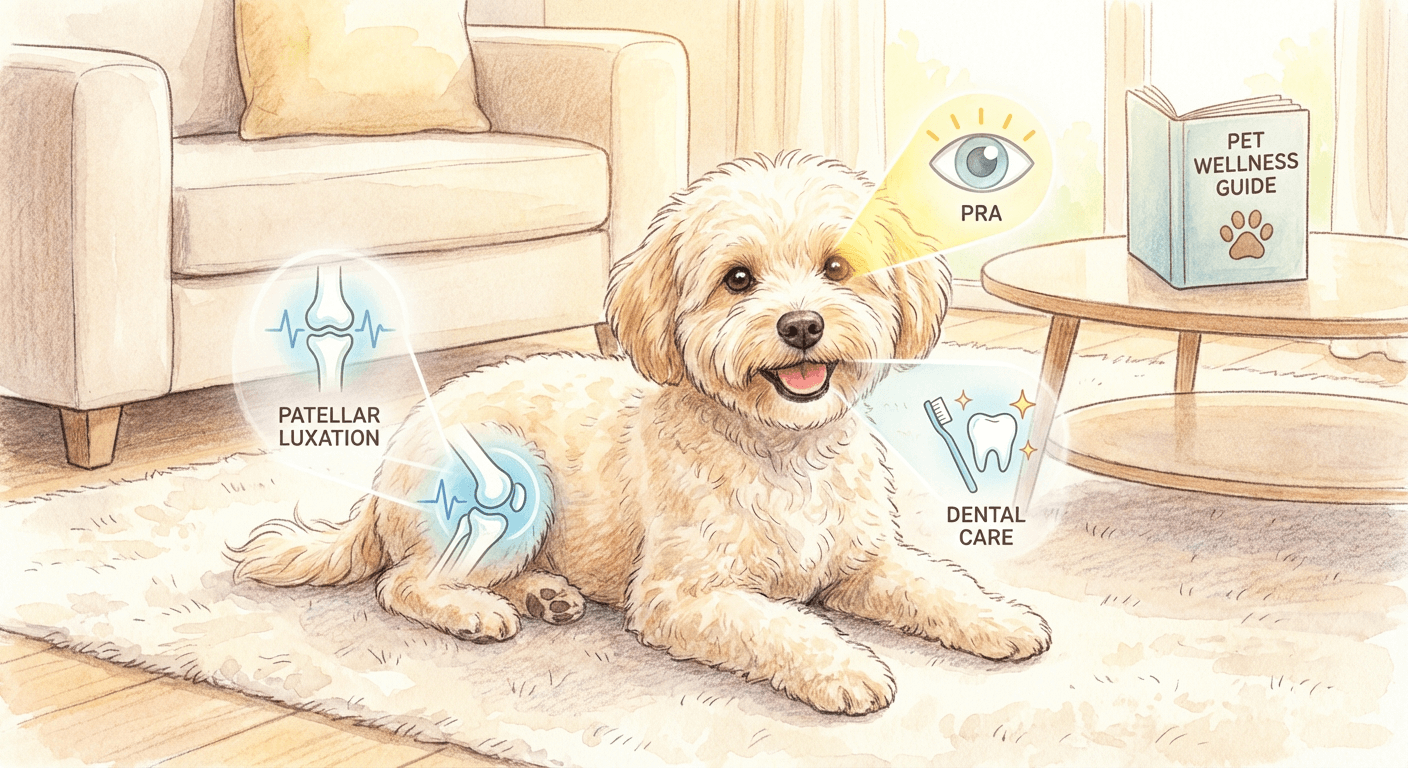
One of the most frequently cited orthopedic issues in small breeds, including Maltipoos, is patellar luxation. This condition, often playfully referred to as “wobbly knees,” occurs when the patella (kneecap) dislocates or slips out of its normal groove in the femur (thigh bone). This can happen suddenly or gradually and can range from mild and occasional to severe and debilitating.
Symptoms: Owners might observe their Maltipoo occasionally skipping or hopping for a few steps, holding a hind leg up, or showing signs of discomfort or lameness, especially after exercise. In more severe cases, chronic pain, arthritis, and difficulty walking can develop.
Diagnosis and Treatment: Diagnosis typically involves a physical examination by a veterinarian, who can feel the kneecap slipping. X-rays may be used to assess the severity and look for secondary changes like arthritis. Treatment depends on the grade of luxation. Mild cases (Grade 1-2) might be managed with pain relief, anti-inflammatory medications, weight management, and physical therapy to strengthen surrounding muscles. More severe or persistent cases (Grade 3-4) often require surgical correction to deepen the groove, realign the patella, or reconstruct soft tissues.
Prevention and Long-Term Care: While patellar luxation has a strong genetic component, maintaining a healthy weight for your Maltipoo is crucial to reduce stress on the joints. Regular, moderate exercise can help maintain muscle strength.
Expert Take: "Early detection of patellar luxation is paramount," advises a leading orthopedic veterinary specialist. "If you notice your Maltipoo skipping or showing any unusual gait, consult your vet immediately. Timely intervention, whether through conservative management or surgery, can significantly improve your dog's quality of life and prevent the progression of painful arthritis."
Dental Disease: A Silent Epidemic in Small Breeds
Dental disease is often overlooked but is arguably one of the most widespread health problems affecting small dog breeds, including Maltipoos. Their small mouths can lead to overcrowding of teeth, and genetics often predispose them to rapid plaque and tartar buildup.
Consequences: Beyond bad breath, untreated dental disease can lead to painful gum inflammation (gingivitis), periodontal disease, tooth loss, and even systemic infections as bacteria from the mouth enter the bloodstream and affect organs like the heart, kidneys, and liver.
Prevention and Treatment: The best defense is a proactive oral hygiene routine. This includes daily tooth brushing with dog-specific toothpaste, dental chews, and dental-formulated diets. Regular professional dental cleanings under anesthesia, performed by a veterinarian, are crucial to remove tartar buildup below the gumline and address any existing issues. Advancements in veterinary dentistry now include digital dental X-rays for thorough assessment, endodontic treatments, and even restorative procedures.
Expert Take: "Dental care isn't just about fresh breath; it's a cornerstone of overall health for Maltipoos," states a board-certified veterinary dentist. "Owners should aim for daily brushing and schedule professional cleanings based on their vet's recommendations. Investing in good oral hygiene can prevent pain, infections, and more serious systemic diseases down the line."
Portosystemic Shunt (PSS)
Portosystemic Shunt (PSS), often referred to simply as a liver shunt, is a serious congenital condition more commonly seen in Maltese dogs and, consequently, Maltipoos. In a normal dog, blood from the intestines flows through the liver for detoxification before entering the general circulation. With a shunt, an abnormal blood vessel (or vessels) allows blood to bypass the liver, leading to a buildup of toxins in the bloodstream.
Symptoms: Symptoms vary but can include poor growth, lethargy, poor appetite, vomiting, diarrhea, behavioral changes (disorientation, circling, staring into space), seizures, and increased thirst/urination. Symptoms often worsen after eating protein-rich meals.
Diagnosis and Treatment: Diagnosis involves blood tests (showing elevated liver enzymes, bile acids), urine analysis, and specialized imaging techniques like ultrasound or CT scans to visualize the shunt. Treatment can be medical, focusing on diet modification (low protein) and medications to reduce toxin production and absorption. However, surgical correction to close the shunt is often the preferred and most effective long-term solution, offering a good prognosis for many dogs.
Expert Take: "For breeds at risk of Portosystemic Shunt, breeders have a vital role in genetic screening," emphasizes a veterinary internist. "For owners, recognizing subtle neurological or gastrointestinal symptoms, especially in puppies, and seeking early veterinary consultation can be life-saving. Advances in surgical techniques have made this condition far more manageable than in the past."
Hypoglycemia: The Sugar Drop Threat
Hypoglycemia, or low blood sugar, is a particular concern for toy breed puppies, including young Maltipoos. Their small bodies have less glycogen (stored sugar) reserves and a higher metabolism, making them susceptible to rapid drops in blood glucose, especially if they miss meals, are stressed, or exert too much energy.
Symptoms: Signs can appear suddenly and include lethargy, weakness, wobbliness, disorientation, shivering, listlessness, and in severe cases, seizures or collapse.
First Aid and Prevention: If you suspect hypoglycemia, immediately rub a small amount of corn syrup, honey, or a glucose gel onto your puppy’s gums. Then, offer a small, easily digestible meal. To prevent it, ensure frequent, small meals throughout the day (3-4 times for puppies, 2 times for adults), provide a quiet and warm environment, and avoid prolonged periods without food, especially during teething or growth spurts.
Expert Take: "Puppies, particularly those of toy breeds like Maltipoos, require diligent feeding schedules," advises a seasoned puppy specialist. "Keep a close eye on their energy levels and appetite. Always have a readily available source of sugar on hand for emergencies, but remember, prevention through consistent feeding is the best approach."
Tracheal Collapse: A Breath of Concern
Tracheal collapse is a progressive respiratory condition common in many small breeds, including Maltipoos, where the cartilage rings of the trachea (windpipe) weaken and flatten, obstructing airflow.
Symptoms: The most characteristic symptom is a persistent, honking cough, often exacerbated by excitement, exercise, heat, or pulling on the leash. Other signs include difficulty breathing, wheezing, and in severe cases, fainting spells.
Diagnosis and Management: Diagnosis typically involves X-rays, fluoroscopy (a moving X-ray to visualize the trachea during breathing), or bronchoscopy. Management is often medical, using cough suppressants, anti-inflammatories, bronchodilators, and sometimes sedatives to reduce coughing spasms. Weight management, avoiding neck collars (using a harness instead), and reducing exposure to irritants like smoke are crucial. In severe cases, surgical stenting or ring placement may be considered, though these are complex procedures.
Expert Take: "For Maltipoo owners, using a harness instead of a neck collar is a simple yet impactful preventive measure against tracheal irritation and potential collapse," recommends a veterinary pulmonologist. "Any persistent honking cough should be investigated promptly. While often a chronic condition, proper management can significantly improve a dog's respiratory comfort."
Eye Conditions (e.g., Progressive Retinal Atrophy – PRA)
Given their Poodle lineage, Maltipoos can be susceptible to various eye conditions, with Progressive Retinal Atrophy (PRA) being one of the most significant. PRA is a group of degenerative diseases affecting the retina, leading to gradual vision loss and ultimately blindness.
Symptoms: Early signs include night blindness, clumsiness in dim light, dilated pupils, and eventually complete vision loss. Owners might notice their dog bumping into furniture or being hesitant to navigate unfamiliar environments.
Diagnosis and Management: Diagnosis is made through specialized eye exams (ophthalmoscopy) by a veterinary ophthalmologist and can be confirmed with genetic testing, particularly for specific forms of PRA known in Poodles. Unfortunately, there is no cure for PRA, but dogs can adapt remarkably well to blindness with owner support. The focus shifts to maintaining a safe and consistent environment.
Importance of Breeder Screening: Responsible breeders should perform genetic testing on their Poodle parent stock for PRA to avoid passing the gene to offspring.
Expert Take: "Regular ophthalmic examinations are critical for breeds prone to eye conditions like PRA," notes a board-certified veterinary ophthalmologist. "While some conditions are untreatable, early diagnosis allows owners to prepare and adapt their homes, ensuring a high quality of life for a visually impaired pet. Reputable breeders are key in reducing the incidence of inherited eye diseases."
Skin and Ear Issues
Maltipoos boast beautiful, hypoallergenic-friendly coats, but this curly, dense fur can also predispose them to certain skin and ear problems. Their floppy ears create a warm, moist environment ideal for yeast and bacterial infections, while their sensitive skin can be prone to allergies.
Symptoms: Skin issues might manifest as itching, redness, hair loss, hot spots, or recurring skin infections. Ear infections typically cause head shaking, ear scratching, redness, discharge, and a foul odor from the ears.
Prevention and Grooming: Regular grooming is essential. This includes daily brushing to prevent mats, which can trap moisture and irritate the skin. Ears need to be cleaned regularly with a vet-approved solution, and hair inside the ear canal may need to be plucked or trimmed to improve air circulation. If allergies are suspected, your vet may recommend dietary changes, environmental management, or medication.
Expert Take: "The Maltipoo's beautiful coat and floppy ears require dedicated care," advises a professional groomer and canine dermatologist. "Consistent brushing, proper drying after baths, and routine ear cleaning are non-negotiable. Don't hesitate to consult your vet or a professional groomer about the best products and techniques for your dog's specific skin and coat needs."
White Shaker Syndrome
White Shaker Syndrome, also known as generalized tremor syndrome or idiopathic cerebellitis, is an inflammatory neurological condition more commonly observed in small white dog breeds, including the Maltese, and by extension, the Maltipoo.
Symptoms: The hallmark symptom is generalized body tremors, which can range from mild to severe, affecting the entire body, including the head and limbs. These tremors are often worse with excitement or attempts to move. Other signs can include difficulty walking, disorientation, and sometimes seizures.
Diagnosis and Treatment: Diagnosis is often made by ruling out other causes of tremors. A neurological examination, blood tests, and sometimes cerebrospinal fluid analysis are performed. The good news is that White Shaker Syndrome is typically very responsive to treatment with corticosteroids (like prednisone). Most dogs show significant improvement within days or weeks of starting medication, though some may require low-dose maintenance therapy long-term.
Expert Take: "While concerning to witness, White Shaker Syndrome is generally a treatable condition," reassures a veterinary neurologist. "If your Maltipoo develops sudden, generalized tremors, seek veterinary attention promptly. Early and aggressive treatment with corticosteroids usually leads to a dramatic and rapid improvement, allowing affected dogs to lead normal lives."
Proactive Pet Care: Beyond Identifying Risks
Understanding potential health risks is only one part of the equation. Proactive, holistic pet care is the cornerstone of ensuring your Maltipoo enjoys a full and healthy life.
The Power of Regular Veterinary Check-ups
Routine wellness exams are arguably the most critical aspect of preventive care. For Maltipoos, annual or even semi-annual visits allow your veterinarian to conduct thorough physical examinations, monitor for subtle changes, and perform early diagnostic screenings. Catching issues like dental disease, heart murmurs, or early signs of orthopedic problems before they become advanced can dramatically improve treatment outcomes and reduce long-term costs. Your vet can also guide you on appropriate vaccination schedules, parasite prevention, and nutritional needs tailored to your Maltipoo’s age and lifestyle.
Nutrition as a Cornerstone of Health
A high-quality, balanced diet specifically formulated for small breeds is essential for Maltipoos. Such diets provide the necessary nutrients in appropriate sizes for their small mouths and digestive systems. Pay attention to ingredients, avoiding fillers and artificial additives. For Maltipoos prone to allergies or specific health issues, your vet might recommend specialized therapeutic diets, such as hypoallergenic formulas or diets designed for joint health. Discussing dietary supplements, like omega-3 fatty acids for skin and coat health or glucosamine/chondroitin for joint support, with your vet is also beneficial.
Exercise and Weight Management
Despite their small size, Maltipoos are energetic and require regular exercise to maintain muscle tone, joint health, and a healthy weight. Daily walks, playtime, and mental stimulation are vital. Obesity in Maltipoos can exacerbate conditions like patellar luxation, tracheal collapse, and heart disease. Monitoring their caloric intake and ensuring consistent physical activity is crucial to prevent weight-related health problems.
Mental Stimulation and Behavioral Health
Maltipoos are intelligent dogs thanks to their Poodle heritage. They thrive on mental engagement as much as physical exercise. Providing puzzle toys, engaging in training sessions, and offering new experiences can prevent boredom, reduce anxiety, and foster a well-adjusted temperament. Behavioral problems can sometimes be linked to underlying medical conditions or a lack of mental enrichment, so addressing these aspects is part of comprehensive care.
The Role of Responsible Breeding and Industry Advancements
The health of Maltipoos is also significantly influenced by responsible breeding practices and ongoing advancements within the pet industry and veterinary medicine.
Genetic Testing for Parent Breeds: Reputable Maltipoo breeders will extensively screen their Maltese and Poodle parent stock for inherited conditions common to their respective breeds, such as patellar luxation, PRA, and PSS. This proactive approach significantly reduces the likelihood of passing on genetic predispositions to their puppies. Owners seeking a Maltipoo should always inquire about the health testing of the parents and ask for relevant certifications.
Advancements in Diagnostic Tools: Modern veterinary medicine has made incredible strides in diagnostic capabilities. Advanced imaging techniques like MRI and CT scans allow for precise diagnosis of neurological conditions or complex orthopedic issues. Sophisticated blood tests can detect liver shunts or metabolic disorders at earlier stages. These tools are invaluable for customizing treatment plans for Maltipoos facing complex health challenges.
Innovative Treatment Options: Beyond diagnosis, treatment options have also evolved. Minimally invasive surgical techniques reduce recovery times for procedures like patellar luxation repair. New medications offer more effective management of chronic conditions like allergies, epilepsy, or tracheal collapse. The growing field of veterinary physical therapy and rehabilitation provides targeted exercises and therapies for post-surgical recovery and managing chronic pain, significantly enhancing a Maltipoo’s quality of life.
Specialized Pet Products: The pet product market continually innovates to support pet wellness. This includes highly palatable dental chews and water additives designed to reduce plaque, advanced joint supplements with novel ingredients, hypoallergenic food formulations, ergonomically designed harnesses for small breeds to prevent tracheal pressure, and a vast array of enrichment toys for mental stimulation. Pet owners have more tools than ever to proactively manage their Maltipoo’s health.
Empowering Maltipoo Owners
Being a Maltipoo owner is a deeply rewarding experience. By understanding their unique health predispositions and embracing a proactive approach to their care, you can ensure your furry friend lives their happiest, healthiest, and longest life.
What Owners Can Do:
- Vigilance: Be attuned to any changes in your Maltipoo’s behavior, appetite, energy levels, or physical condition. Early detection often leads to easier and more successful treatment.
- Record-Keeping: Maintain a health journal for your Maltipoo, noting vaccination dates, deworming, any illnesses, medications, and changes in diet or weight. This provides a valuable history for your veterinarian.
- Open Communication with Your Vet: Don’t hesitate to ask questions or voice concerns during veterinary visits. Your vet is your primary partner in your Maltipoo’s health journey.
- Pet Insurance: Consider investing in pet insurance. While not preventing health issues, it can significantly alleviate the financial burden of unexpected illnesses or chronic conditions, allowing you to prioritize the best medical care without financial strain.
It’s Not Always the Most Wonderful Time of the Year (If You’re a Vet, Pet, or Pet Parent)
Frequently Asked Questions (FAQ)
What are the most common health issues in Maltipoos?
Maltipoos are prone to conditions inherited from both Maltese and Poodle parents. Common issues include patellar luxation (kneecap dislocation), dental disease, portosystemic shunt (liver shunt), hypoglycemia, tracheal collapse, and eye conditions like Progressive Retinal Atrophy (PRA).
How can I prevent dental disease in my Maltipoo?
Preventing dental disease involves a proactive oral hygiene routine. This includes daily tooth brushing with dog-specific toothpaste, offering dental chews, feeding dental-formulated diets, and scheduling regular professional dental cleanings with your veterinarian.
What should I do if my Maltipoo puppy shows signs of hypoglycemia?
If you suspect your Maltipoo puppy has low blood sugar (hypoglycemia), immediately rub a small amount of corn syrup, honey, or a glucose gel onto their gums. Follow this by offering a small, easily digestible meal and contact your veterinarian promptly.
Are Maltipoos prone to respiratory problems?
Yes, Maltipoos can be susceptible to tracheal collapse, a progressive condition where the windpipe weakens and obstructs airflow, leading to a characteristic honking cough. Using a harness instead of a neck collar can help prevent irritation.
Conclusion
Maltipoos are truly special companions, bringing immense joy and laughter into our homes. Their “big hearts, fluffy coats, and long lifespans” are undeniable attributes that make them such beloved pets. However, responsible ownership extends beyond daily walks and cuddles; it involves a deep commitment to understanding and addressing their specific health needs. By being informed about The Hidden Health Risks Every Maltipoo Owner Should Know, adopting proactive preventive care strategies, partnering closely with your veterinarian, and leveraging advancements in pet health, you are not just managing potential problems—you are actively investing in a future filled with vibrant health, boundless energy, and countless cherished moments with your adorable Maltipoo. Your diligence and love are the keys to unlocking their fullest, happiest potential.