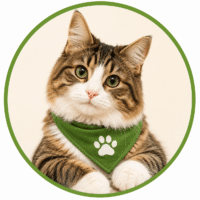
Elderly Cat Snuggles Reveal Essential Senior Pet Care

Elderly Cat’ Snuggles in Owner’s Jacket When Cold: A Deep Dive into Senior Pet Comfort and Care
Key Takeaways
- Lippy’s viral video highlights the critical need for comfort, warmth, and security in senior pets, underscoring the unique bond and evolving needs of aging companions.
- Aging pets often have a reduced ability to regulate body temperature due to metabolic changes, muscle loss, and circulatory issues, making warmth vital for their health and comfort, especially in conditions like arthritis.
- Beyond physical warmth, snuggling provides senior pets with profound emotional security, trust, and reduced anxiety, which is crucial as their senses and cognitive functions may decline.
- Practical steps for enhancing senior pet comfort include heated beds, draft-free zones, tailored veterinary care (pain management, nutrition), mobility aids, and mental enrichment.
- The “silver tsunami” in the pet population is a significant driver of innovation, leading to advancements in pet products, veterinary services, and research focused on senior wellness.
Table of Contents
- The Science of Snuggles: Why Warmth is Critical for Senior Pets
- The Emotional Tapestry: Bonding and Security in Senior Years
- Creating a Haven: Practical Steps for Senior Pet Comfort
- The Broader Impact: Pet Industry Innovations and Veterinary Advancements
- Frequently Asked Questions (FAQ)
- Conclusion: Cherishing Every Moment in the Golden Years
The internet, a boundless repository of heartwarming moments, recently brought us a truly touching scene that resonated with pet lovers worldwide: an “elderly” Tabby Cat named Lippy, seeking solace and warmth, snuggling deeply into her owner’s jacket. The simple yet profound act, captured in an Instagram video and shared by her loving pet parent, beautifully illustrates the unique bond we share with our aging companions and underscores a critical aspect of senior pet care: comfort, warmth, and the profound need for security as they navigate their golden years. This viral moment serves as a poignant reminder for pet owners, veterinarians, trainers, product developers, and animal enthusiasts alike that our senior pets deserve an elevated level of consideration, empathy, and proactive care to ensure their continued well-being and happiness.
The image of Lippy, affectionately dubbed “Snuggly” by her owner, purring contentedly while nestled against human warmth, is more than just an adorable video; it’s a window into the nuanced physiological and emotional needs of elderly animals. As our beloved pets age, just like humans, they experience a myriad of changes that necessitate adjustments in their environment, routine, and care. Understanding these transformations is paramount to extending their quality of life and strengthening the invaluable connection we share.
The Science of Snuggles: Why Warmth is Critical for Senior Pets
Lippy’s instinctive search for her owner’s jacket highlights a fundamental physiological change in aging animals: a reduced ability to regulate body temperature. While younger pets might revel in cool breezes or seek out colder surfaces, senior pets often feel the cold more acutely. This isn’t just about comfort; it’s a matter of health.
Expert Take: Dr. Anya Sharma, a specialist in geriatric veterinary medicine, emphasizes, “As pets age, their metabolism slows down, muscle mass can decrease, and their fur might thin, all contributing to a reduced capacity for thermoregulation. Underlying conditions like arthritis can also make cold weather particularly painful, leading them to seek out consistent warmth as a form of self-medication and comfort.”
Several factors contribute to this increased sensitivity to cold:
- Metabolic Changes: An aging metabolism means less internal heat generation. Their bodies aren’t as efficient at producing and maintaining core temperature.
- Reduced Muscle Mass and Fat Stores: Muscle and fat act as natural insulators. As these diminish with age, senior pets have less protection against the cold.
- Circulatory Issues: Older pets can experience poorer circulation, especially in their extremities, making them more susceptible to feeling cold.
- Arthritis and Joint Pain: Cold and damp conditions can exacerbate joint pain and stiffness in pets suffering from arthritis, a common ailment in senior animals. Warmth can significantly alleviate discomfort, acting as a natural analgesic.
- Thyroid Function: Hypothyroidism, a common condition in older dogs, can lead to increased cold intolerance.
Lippy’s action is a powerful non-verbal cue that her internal comfort levels were compromised, and she knew exactly where to find relief. This serves as a vital lesson for pet owners: always be observant of subtle behavioral changes in your senior pet, as they often communicate their needs through actions rather than words. A pet seeking extra warmth, more cuddles, or a specific sleeping spot might be telling you something important about their physical state.
The Emotional Tapestry: Bonding and Security in Senior Years
Beyond the physiological need for warmth, Lippy’s snuggling also speaks volumes about the emotional bond she shares with her owner. For many senior pets, the world can become a more confusing or even frightening place. Their senses may dull, their vision or hearing might decline, and cognitive changes can lead to anxiety or disorientation. In this context, their human companion becomes a beacon of security and stability.
Expert Take: Dr. Liam O’Connell, a renowned animal behaviorist specializing in geriatric pets, notes, “The act of snuggling, especially for an elderly cat or dog, is a profound expression of trust and attachment. It’s not just about physical warmth; it’s about emotional warmth and security. The consistent presence and touch of a trusted human can significantly reduce anxiety and enhance their sense of well-being when their world might otherwise feel less predictable.”
This mutual exchange of comfort is a cornerstone of the human-animal bond. For the pet owner, providing comfort to an aging companion is deeply rewarding, reinforcing the unconditional love that has grown over years. For the pet, it offers a sense of safety, love, and belonging that is crucial for their mental and emotional health. Maintaining a strong, positive emotional connection becomes even more vital as pets age, helping to mitigate the effects of cognitive decline and keep them engaged with their environment.
Creating a Haven: Practical Steps for Senior Pet Comfort
The insight gleaned from Lippy’s video extends to numerous practical applications for improving the lives of senior pets. Pet owners, veterinarians, and the pet product industry can collaborate to create environments and offer solutions that cater specifically to these evolving needs.
1. Environmental Warmth and Comfort Solutions:
- Heated Beds and Blankets: These are game-changers for senior pets. Orthopedic beds with self-heating or electrical heating elements can provide consistent warmth and support for aching joints.
- Draft-Free Zones: Identify and eliminate drafts in your home, especially where your senior pet sleeps or rests. Raised beds can also help keep them off cold floors.
- Appropriate Apparel: Sweaters and jackets, particularly for short-haired breeds or those with thinner coats, can be excellent for maintaining body heat indoors and during walks in cooler weather.
- Strategic Placement of Resting Spots: Ensure your senior pet’s favorite resting spots are in warm, quiet areas of the house, away from high traffic or sudden noises. Sunlight through a window can also be a wonderful natural warmer.
- Consistent Indoor Temperature: Maintaining a stable, comfortable room temperature can prevent unnecessary thermal stress.
2. Veterinary Care Tailored for Seniors:
Regular veterinary check-ups become even more critical for older pets. These visits are not just about addressing problems but about proactive management and early detection.
Expert Take: “Geriatric screenings are non-negotiable for senior pets,” advises Dr. Sharma. “We’re looking for early signs of conditions like arthritis, dental disease, kidney dysfunction, heart conditions, and cognitive decline. Early intervention through medication, dietary changes, or physical therapy can dramatically improve their comfort and extend their healthy lifespan.”
- Pain Management: Many senior pets suffer from chronic pain, often undiagnosed. Veterinarians can prescribe pain medication, anti-inflammatory drugs, or recommend alternative therapies like acupuncture or laser therapy to improve mobility and reduce discomfort.
- Nutrition: Senior-specific diets are formulated to address the changing metabolic needs of older pets, often lower in calories to prevent obesity, higher in fiber for digestive health, and fortified with joint-supporting supplements like glucosamine and chondroitin.
- Dental Health: Dental disease is prevalent in older pets and can cause significant pain and lead to other systemic health issues. Regular dental check-ups and cleanings are essential.
- Cognitive Support: For pets showing signs of cognitive dysfunction (similar to Alzheimer’s in humans), veterinarians can recommend supplements, prescription diets, and environmental enrichment strategies.
3. Enhancing Mobility and Accessibility:
As pets age, mobility can become an issue, making everyday activities challenging.
- Ramps and Steps: Provide ramps or steps to help them access furniture, cars, or even simply get up and down stairs without strain.
- Non-Slip Surfaces: Place rugs or mats on slippery floors (hardwood, tile) to prevent falls and provide better traction.
- Raised Food and Water Bowls: These can make eating and drinking more comfortable for pets with neck or back pain.
- Regular, Gentle Exercise: Customized exercise routines, such as short, frequent walks or hydrotherapy, can help maintain muscle mass and joint flexibility without overexertion.
4. Mental and Emotional Enrichment:
Just as physical comfort is vital, so too is mental stimulation and emotional well-being.
- Gentle Play: Adapt play sessions to their capabilities. Soft toys, puzzle feeders, or simple scent games can keep their minds engaged.
- Consistent Routines: Maintaining a predictable daily routine can reduce anxiety, especially for pets experiencing cognitive decline.
- Plenty of Affection: Continue to provide ample cuddles, gentle grooming, and quiet companionship, just like Lippy received. This reinforces their bond and provides reassurance.
Navigating Canine Spinal Health: Understanding and Managing Discospondylitis in Dogs
The Broader Impact: Pet Industry Innovations and Veterinary Advancements
The needs of senior pets are a significant driver of innovation within the broader pet industry. Recognizing the aging pet population, manufacturers, veterinarians, and researchers are continually developing new products, services, and insights to support these beloved companions.
Expert Take: Sarah Chen, a leading pet industry analyst, observes, “The ‘silver tsunami’ in the pet population has spurred a remarkable wave of innovation. We’re seeing everything from smart heated orthopedic beds with integrated health monitoring to advanced veterinary nutraceuticals and specialized mobility devices. This focus on senior wellness is not just good for pets; it’s a testament to the deepening human-animal bond and a robust growth area for the industry.”
- Technological Advancements: Wearable devices can monitor activity levels, sleep patterns, and even heart rate, providing valuable data for owners and vets to track changes in health. Smart home devices can control environmental temperature and lighting to optimize comfort.
- Pharmaceutical and Nutraceutical Development: Ongoing research leads to new pain medications with fewer side effects, supplements to support joint health, cognitive function, and organ health, and even treatments for specific age-related diseases.
- Specialized Pet Services: Pet sitters and dog walkers are increasingly offering services tailored to senior pets, including shorter walks, medication administration, and specialized care. Pet rehabilitation centers are expanding their offerings with hydrotherapy, massage, and physiotherapy.
- Education and Advocacy: Veterinarians, trainers, and advocacy groups are doing more to educate pet owners about the specific needs of senior pets, encouraging proactive care and fostering a deeper understanding of the aging process in animals.
These advancements not only directly benefit individual pets like Lippy by improving their comfort and extending their healthy years, but they also empower pet owners with tools and knowledge, and open new avenues for growth and specialization within the veterinary and pet product sectors. For breeders, understanding geriatric care also informs responsible breeding practices, aiming for longevity and robust health.
Frequently Asked Questions (FAQ)
Why is warmth so critical for senior pets?
Senior pets often struggle to regulate their body temperature due to slowed metabolism, reduced muscle mass, and poorer circulation. Warmth helps alleviate pain from conditions like arthritis and provides overall comfort and health.
How can I tell if my senior pet is feeling cold or uncomfortable?
Look for behavioral cues such as seeking extra warmth (like snuggling into a jacket or blanket), shivering, reluctance to move, curling up tightly, or changes in their preferred resting spots.
What are some effective ways to enhance comfort for my aging pet at home?
Provide heated orthopedic beds, eliminate drafts, use pet sweaters in cooler weather, ensure easy access with ramps, offer raised food bowls, and maintain a consistent, warm indoor temperature.
How often should a senior pet visit the veterinarian?
Regular geriatric screenings, typically every 6 months, are crucial for senior pets. These allow for early detection and management of age-related conditions like arthritis, dental disease, kidney issues, and cognitive decline.
Does mental stimulation remain important for older pets?
Absolutely. Gentle play, puzzle feeders, consistent routines, and plenty of affection help keep senior pets mentally engaged, reduce anxiety, and maintain a strong human-animal bond, even with cognitive decline.
The Hidden Health Risks Every Maltipoo Owner Should Know
Conclusion: Cherishing Every Moment in the Golden Years
The heartwarming video of Lippy, the elderly Tabby, finding comfort and warmth in her owner’s jacket is a profound reminder of the silent needs of our aging animal companions. It underscores that as pets enter their golden years, their requirements shift dramatically, demanding a heightened level of empathy, attention, and tailored care. From maintaining optimal body temperature and managing chronic pain to providing emotional security and mental stimulation, every aspect of their environment and daily routine needs thoughtful consideration.
For pet owners, this means proactive engagement with their veterinarians, an openness to adapting their homes and routines, and a commitment to showering their senior pets with understanding and affection. For the veterinary community, it emphasizes the critical role of geriatric medicine, early diagnosis, and comprehensive pain management. For the pet industry, it highlights the importance of continued innovation in products and services designed to enhance the comfort, mobility, and overall quality of life for senior animals.
Ultimately, Lippy’s snuggle is a beautiful testament to the enduring power of the human-animal bond. It teaches us that the greatest gift we can give our senior pets is not just love, but also the informed, compassionate care that allows them to live out their twilight years with dignity, comfort, and the profound contentment of knowing they are cherished. Let this touching moment inspire us all to look closer, listen more intently, and act more deliberately in caring for the wise, loving hearts that have graced our lives for so many precious years.